

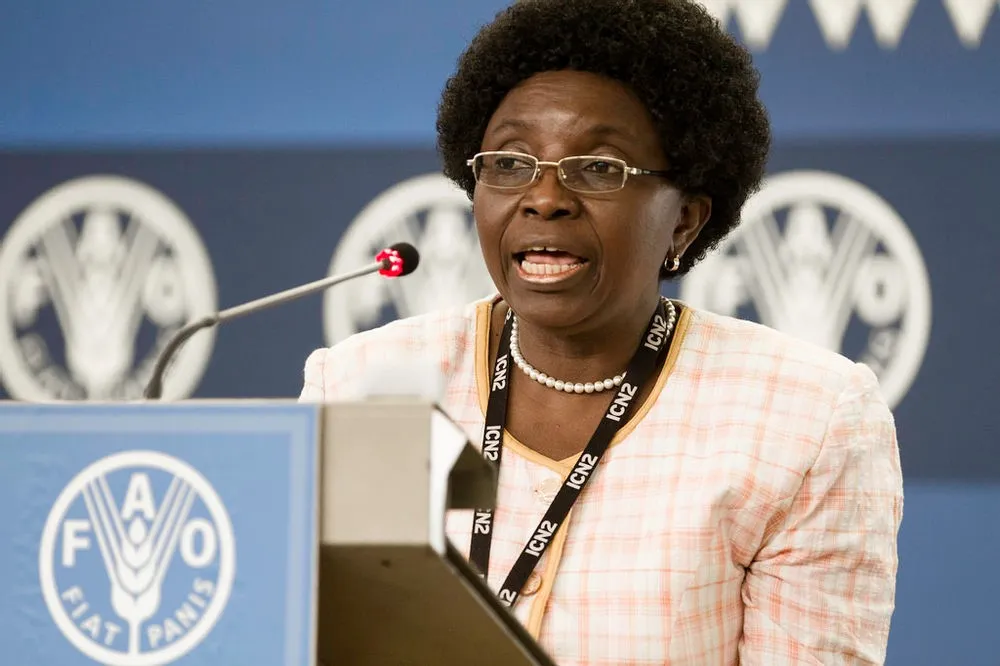
Prof. Anna Lartey, a Professor of Nutrition at the University of Ghana, has revealed that 65% of adults in Ghana are unable to afford healthy meals, raising serious concerns about food security, rising prices, and worsening nutritional outcomes nationwide.
She explained that the high cost of nutrient-rich foods—including fruits, vegetables, fish, eggs, and dairy—continues to push many households toward cheaper, calorie-dense alternatives with limited nutritional value.
“This trend risks increasing cases of malnutrition, diet-related diseases, and reduced productivity,” she said, noting that these factors contribute to adults’ inability to maintain nutritious diets.
Prof. Lartey attributed the affordability crisis to inflation, currency instability, high transportation costs, and significant post-harvest losses. Both urban and rural communities have seen prices of essential foods rise far faster than incomes, making healthy eating increasingly unattainable for millions of Ghanaians.
She made the remarks at a sensitisation workshop in Accra titled “Beyond the Dialogues: Tracking Ghana’s Commitments to Transform Its Food Systems”.
The event was organised by the University of Ghana School of Public Health, with support from the National Development Planning Commission (NDPC), the Ministry of Food and Agriculture, and the Ghana Statistical Service (GSS), as part of a project to monitor the country’s food system transformation commitments adopted in 2021.
Prof. Lartey highlighted the stark price difference between healthy and processed foods, noting that fruits and vegetables typically cost far more than sugar-sweetened beverages and fast foods, which are widely available.
She warned that poor dietary habits carry severe consequences, citing global data showing that up to 15 million deaths could be prevented annually if societies adopted healthier diets.
She called for a transformational shift in Ghana’s food system, stressing that the nation has already made several commitments to improve nutrition outcomes.
“Ghana has had the dialogues, we have talked — now it is time for action. What steps are we putting in place to ensure the commitments we made are being achieved?”
During the 2021 UN Food Systems Summit, over 160 member states pledged to transform their food systems by 2030 to ensure sustainable and healthy diets.
Ghana is committed to meeting 17 food system transformation targets by 2025, including improving early initiation and exclusive breastfeeding rates.