
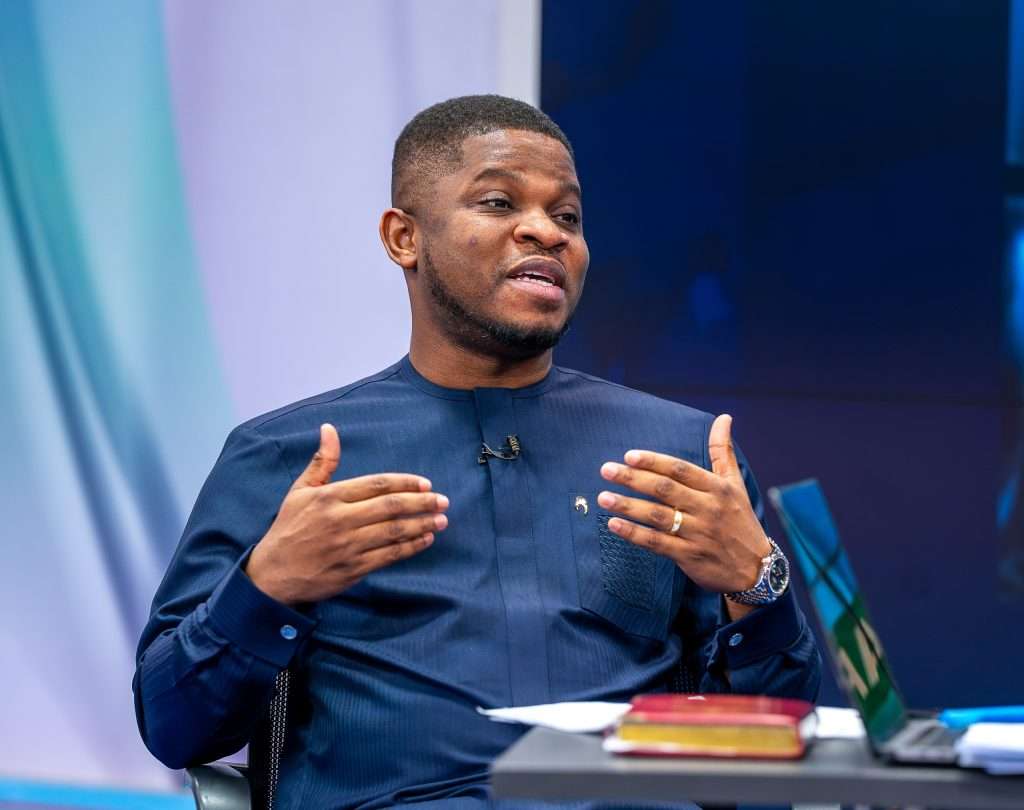
The Chief Executive Officer of the Ghana Gold Board (GoldBod), Sammy Gyamfi, has outlined sweeping reforms and ambitious targets for Ghana’s gold and minerals sector, promising record revenues, stronger regulation, and a shift from raw exports to local value addition.
Speaking at the maiden edition of the Mining and Minerals Convention at the Kempinski Gold Coast Hotel in Accra, Gyamfi said Ghana was “resetting and rewriting the narrative” of resource exploitation by ensuring that the country derives maximum benefit from its mineral wealth.
Highlighting the Board’s early gains, he revealed that small-scale gold exports between January and August 2025 hit 66.7 tonnes, valued at $6 billion — already surpassing the entire 2024 output.
“These inflows have significantly boosted our reserves, improved the balance of payments, and strengthened the cedi,” he said.
Gyamfi noted that the GoldBod has introduced licensing reforms, stronger regulatory oversight, and a competitive pricing system to curb smuggling and streamline operations.
The Board has also launched a GoldBod Task Force and implemented a whistleblower reward system to clamp down on illegal trade.
Looking ahead, the GoldBod is pursuing bold initiatives, including:
-
The local refining of gold in partnership with the Bank of Ghana and the Gold Coast Refinery, ending Ghana’s reliance on exporting raw doré.
-
Establishing a state-owned international-standard refinery and an ultra-modern assay laboratory at Kotoka International Airport.
-
A $1 billion investment partnership with Goldstream Global DMCC to set up over 300 responsible mines, creating thousands of jobs.
-
Supporting the reclamation of 1,000 hectares of degraded forest reserves and providing logistics worth GHS5 million to aid the fight against illegal mining.
-
Rolling out a nationwide traceability system by year-end to ensure all gold can be tracked to licensed, environmentally compliant mines.
The CEO also challenged Ghana’s financial institutions to develop innovative funding models for mining, arguing that the sector cannot depend solely on foreign capital. “Our pension funds must invest in gold — a time-tested hedge against inflation — rather than unproductive ventures,” he stressed.
On the future of Africa’s youth, Sammy Gyamfi struck a defiant tone:
“This is no plea for aid. It’s a declaration: Africa is ready to transform. Let African minerals build African futures. Let our youth lead global trade — not just participate.”
He concluded by calling for courage and capital to unlock the sector’s potential: “Ghana is resetting, and Africa is rising. The GoldBod is ready. All we need now is to fund the minerals and mining sector differently and transform it together.”