

Throughout Africa’s post-independence history, the military has often played a central role in politics. Coups and military takeovers dominated several decades, especially from the 1960s to the 1990s.
However, some military rulers transitioned from authoritarian rule to become democratically elected leaders, marking significant political evolutions. Here are some notable African military leaders who made this transformation.
Here are some notable African military leaders who made this transformation.
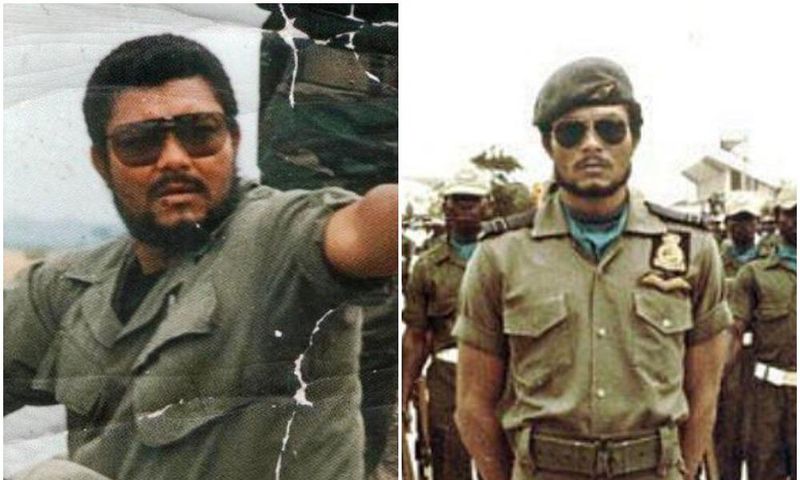
1. Jerry John Rawlings — Ghana
Military Background: Rawlings was a Flight Lieutenant in the Ghana Air Force who first seized power in 1979 through a coup. After briefly handing over power to civilian rule, he led another coup in 1981, becoming head of state under the Provisional National Defence Council (PNDC).
Transition to Democracy: In 1992, Rawlings introduced multi-party democracy and contested Ghana’s first democratic election in the Fourth Republic. He won and served two terms (1993–2001), leaving office peacefully after 8 years.
Rawlings is credited with stabilising Ghana’s economy and laying the foundations for democratic governance.
 2. Olusegun Obasanjo — Nigeria
Military Background: Obasanjo was a high-ranking military officer who became Nigeria’s head of state in 1976 after the assassination of General Murtala Mohammed. He ruled as a military leader until 1979.
Transition to Democracy: After years out of power, Obasanjo returned as a civilian politician and was elected president in 1999, marking the beginning of Nigeria’s Fourth Republic. He served two terms until 2007.
Obasanjo is praised for handing power to civilians twice—first as a military ruler and later as an elected president.
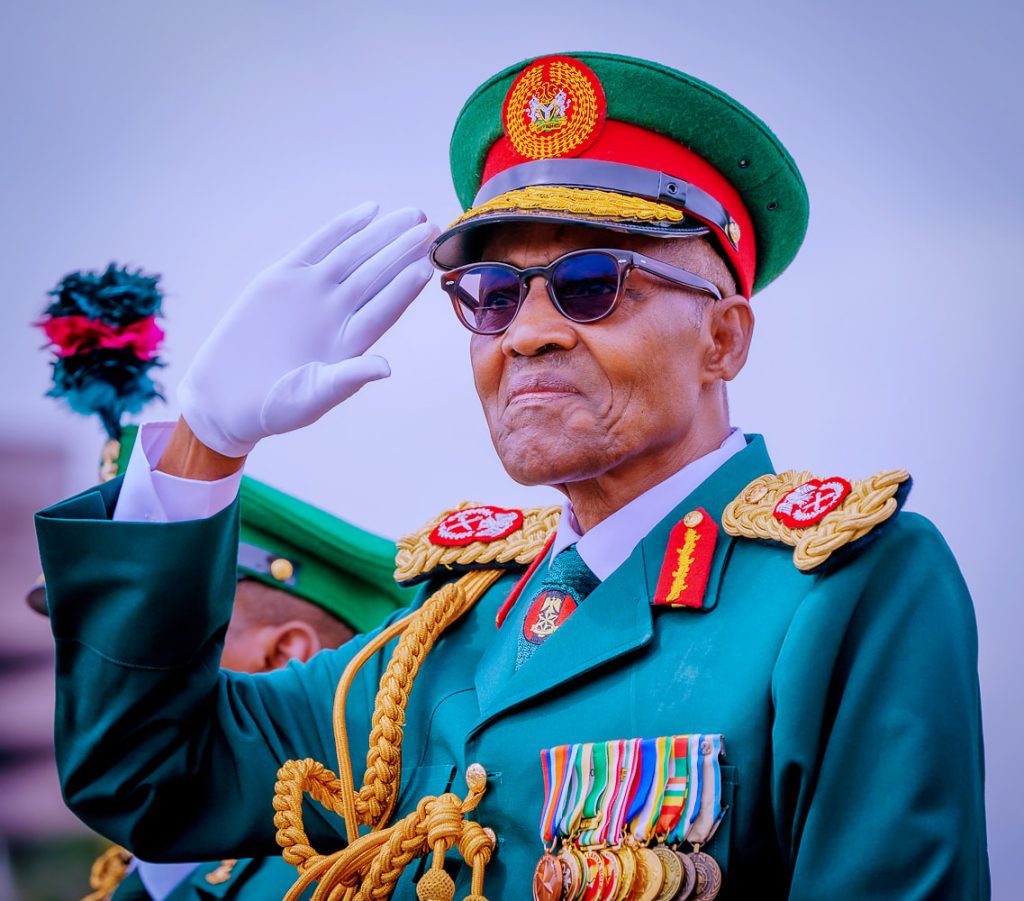
 3. Muhammadu Buhari — Nigeria
Military Background: Buhari led a military government from 1983 to 1985 after overthrowing President Shehu Shagari. His rule was known for its strict anti-corruption stance.
Transition to Democracy: Decades later, Buhari re-entered politics and was elected as Nigeria’s president in 2015 under democratic rule, serving two terms until 2023.
Legacy: Buhari’s presidency focused on security and anti-corruption, though it faced criticism over human rights and economic performance.
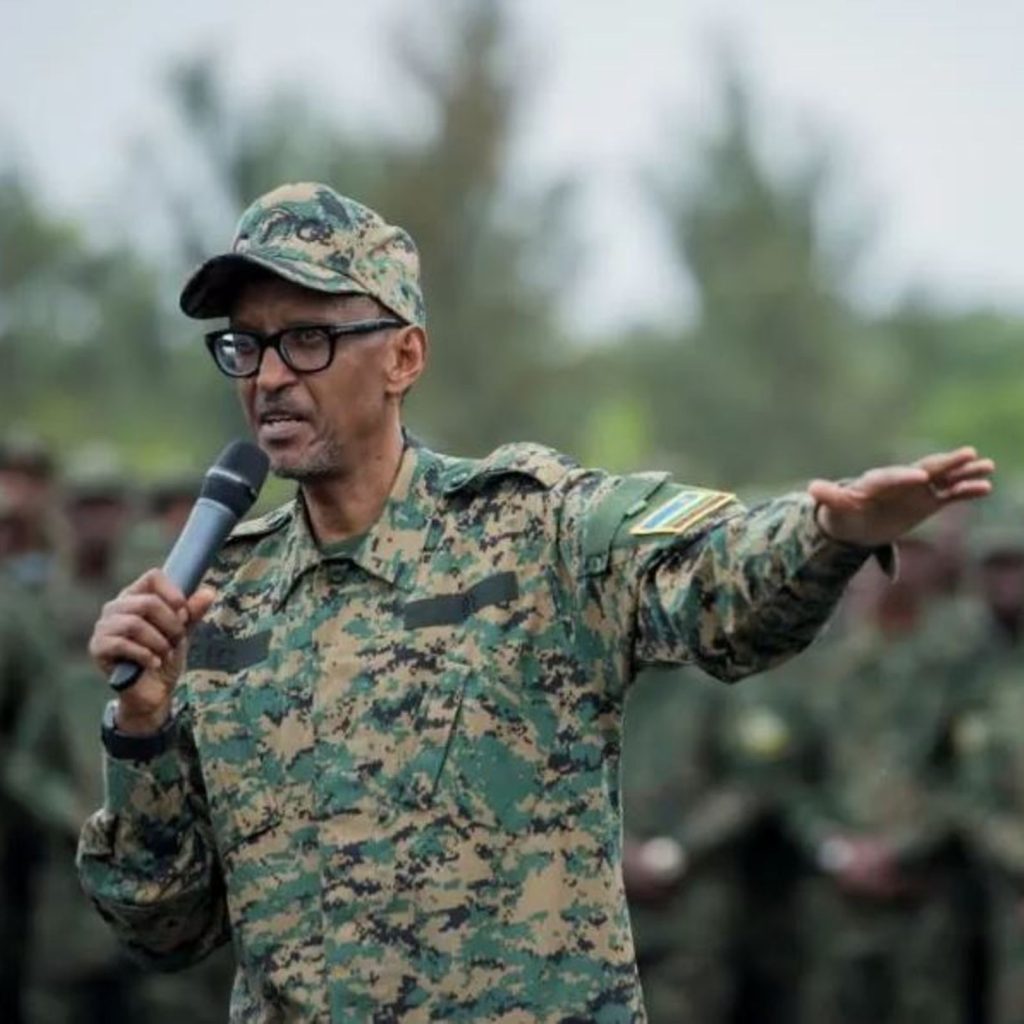
 4. Paul Kagame — Rwanda
Military Background: Kagame was a commander in the Rwandan Patriotic Front (RPF), leading forces that ended the 1994 genocide. He became vice president and defense minister before assuming the presidency in 2000.
Transition to Democracy: Kagame introduced elections and was confirmed as president through ballots, although his democratic credentials are debated due to constitutional changes allowing extended terms.
Legacy: Kagame is credited with stabilising Rwanda and fostering economic growth, but critics cite restrictions on political freedoms.
 5. Abdel Fattah el-Sisi — Egypt
Military background: Sisi was Egypt’s defense minister and led the military ouster of President Mohamed Morsi in 2013. In 2014, Sisi was elected president through a popular vote, a position he still holds after subsequent re-elections.
His leadership brought stability after the Arab Spring, but rights groups accuse his government of authoritarian practices.
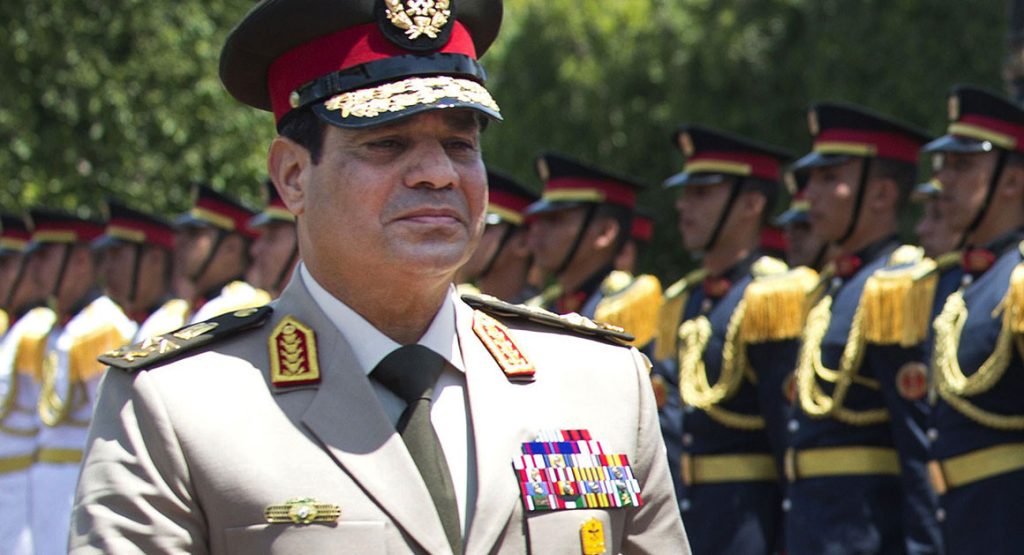 6. Ibrahim Baré Maïnassara — Niger
Niger’s Ibrahim Baré Maïnassara offers a sobering counterpoint. Appointed Army Chief of Staff in 1995, he led a coup in 1996 that ended Niger’s democratic experiment. Facing international pressure, he organised a presidential election—widely condemned as fraudulent—and declared himself the winner.
His rule was plagued by repression and economic woes. In 1999, he was assassinated by his own presidential guard, underscoring the risks of incomplete democratic transitions.
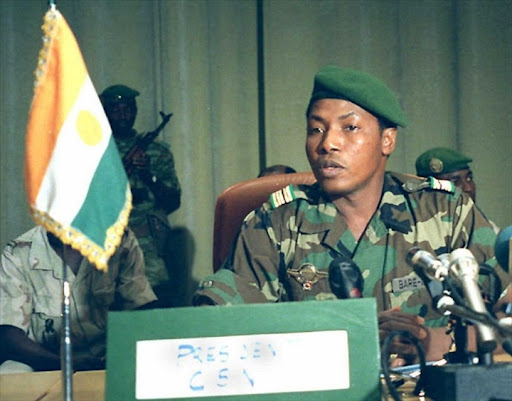
7. Blaise Compaoré — Burkina Faso
Blaise Compaoré rose to power in 1987 through a coup that killed the popular revolutionary leader Thomas Sankara. After ruling through military structures for several years, Compaoré transitioned to civilian rule in 1991.
Over 27 years, he consolidated power through constitutional amendments and tightly controlled elections. But his attempt to extend his term in 2014 triggered mass protests, forcing his resignation and exile.
Compaoré’s career reflects both the potential and the perils of long-term rule disguised as democratic leadership.
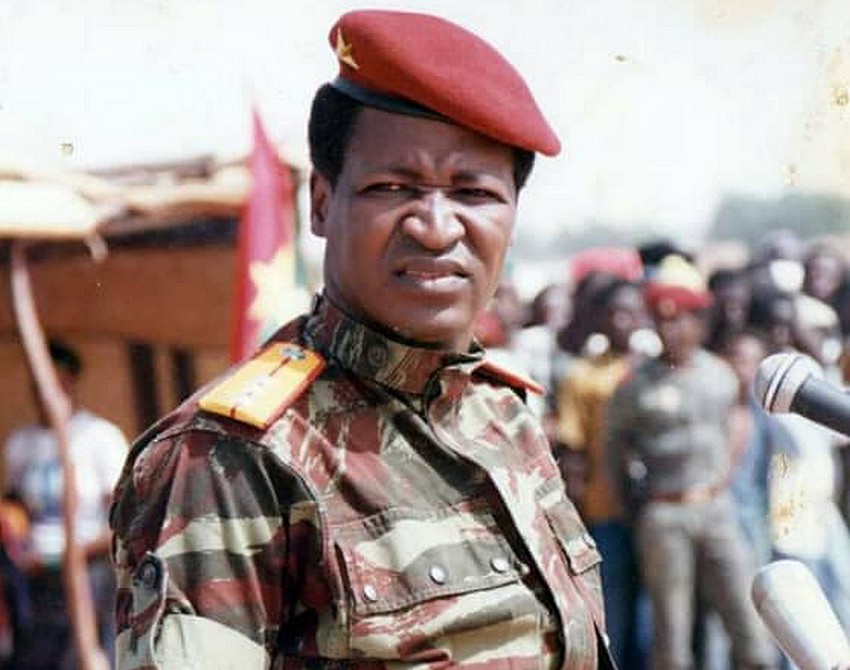 8. Yoweri Museveni —– Uganda
Yoweri Museveni’s ascent was through a protracted guerrilla war rather than a conventional coup. In 1986, his National Resistance Army seized power, and Museveni positioned himself as a reformer. For years, he resisted multi-party democracy, arguing it was divisive in Uganda’s context.
He eventually embraced elections, winning in 1996 and in subsequent polls. However, constitutional amendments removing term and age limits allowed him to remain in power for nearly four decades.
While credited with stability and growth, Museveni’s rule has increasingly been criticised for authoritarian tendencies and shrinking political freedoms.
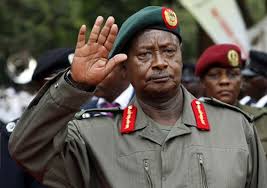 9. Julius Maada Bio — Sierra Leone
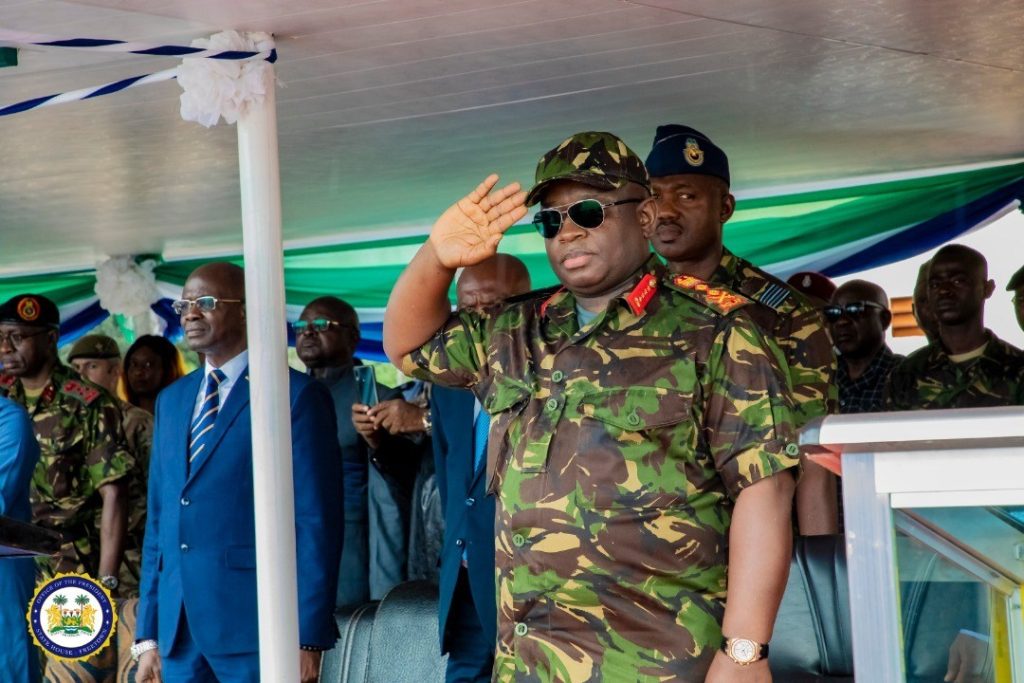
Julius Maada Bio represents one of Africa’s most remarkable military-to-democratic transitions. A Sierra Leone military officer who joined the army in 1987, Bio was instrumental in the 1996 coup that ousted his former ally, Valentine Strasser, during the civil war.
As military head of state for just two months (January-March 1996), he kept his promise to restore civilian rule, voluntarily handing power to democratically elected leaders.
After decades in political wilderness, Bio launched his democratic comeback, contesting unsuccessfully in 2012 before finally winning the presidency in 2018.
His journey from brief military ruler to democratically elected president spans over two decades of perseverance.