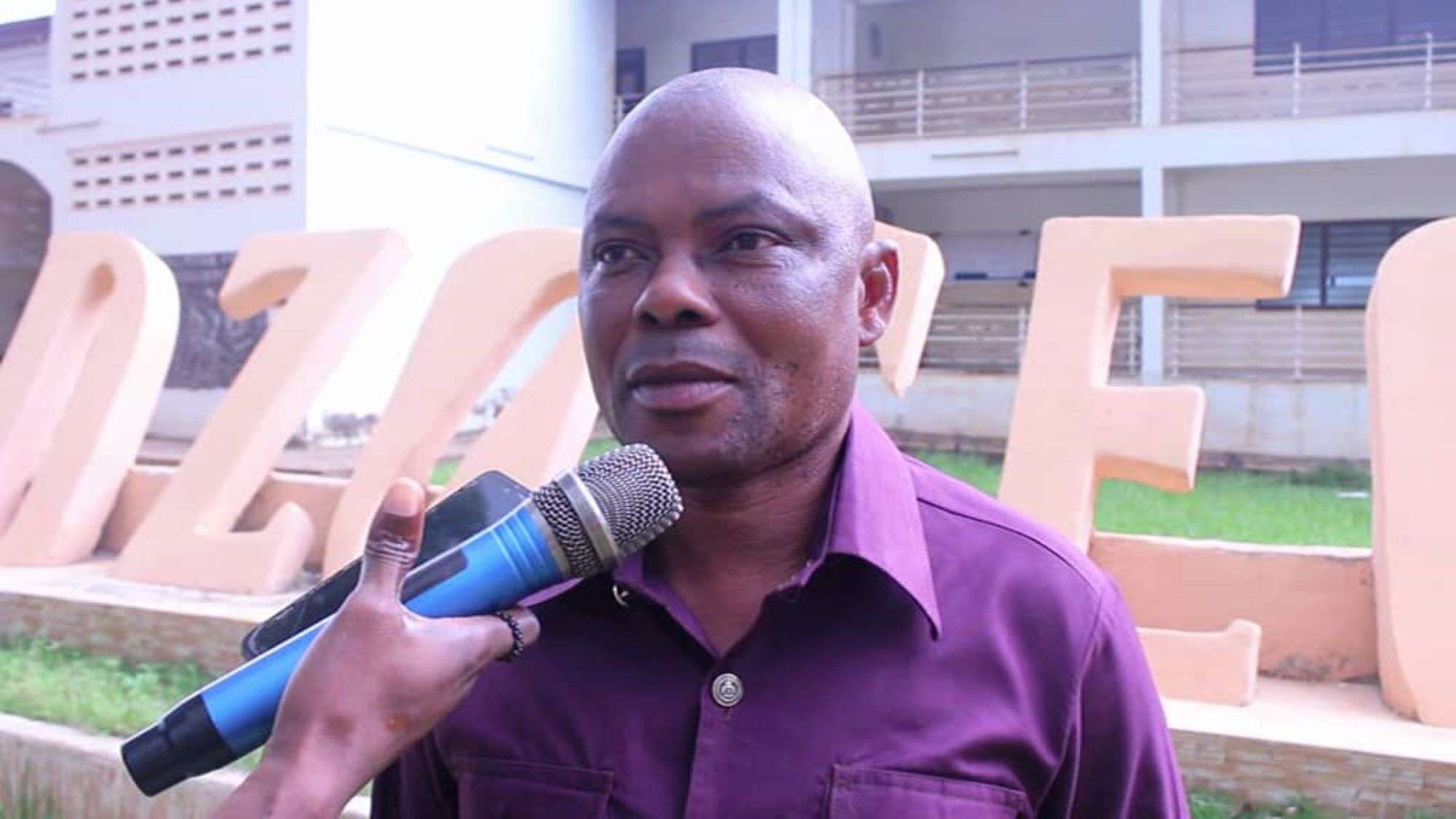


The Circuit Court Judge presiding over the case of Kwame Baffoe also known as Abronye DC has decided to move away from the democratic tenets of rule of law to the realm of fiction.
Justice Samuel Bright Acquah in a highly troubling ruling in the case of Republic v. Kwame Baffoe, evoked the longstanding debate about the equality of citizens before the law.
In giving his ruling to deny bail and remand Abronye for another week, the Judge suggested that “all men are equal, but some are more equal than others.”
This theory, according to political analysts, did not only reverberate George Orwell’s satirical words in Animal Farm but also sent a chilling reminder that Ghana’s justice system may not treat all citizens with the same fairness.
Invoking Section 96(5) of the Criminal Procedure Code, Justice Acquah denied Abronye bail, claiming there was a likelihood of repeat offences and the possibility of absconding.
The accused was remanded into the custody of the National Intelligence Bureau (NIB), pending a review of the application on September 19, 2025.
This harsh treatment of a misdemeanour case, critics argue, reflects a worrying tendency to use remand as punishment rather than due process.
Abronye, the main opposition New Patriotic Party (NPP) Bono Regional Chairman, is facing two charges of misdemeanours.
One of charges of alleged insults on the Inspector General of Police (IGP), COP Christian Tetteh Yohuno, has exposed what many see as a creeping judicial philosophy that the citizens are treated differently before the law depending on their social status or political affiliation.
According the judicial doctrine of Justice Acquah, even though Ghana’s constitution, which is the supreme law of the country, proclaims equality before the law, in practice some individuals, particularly those in high positions of power, deserve greater protection.
Citing the IGP as an example, the judge ruled that words directed at the head of the police could carry graver consequences than those directed at an ordinary Ghanaian.
This ‘animal farm’ interpretation of the law, political actors argue, risks undermining the very foundation of democracy, which rests on the principle of equality before the law.
According to Justice Acquah, it is acceptable to criticise policies, but once individuals, especially high-ranking officials, are named, punishment must follow.
Unguaranteed freedom of speech
Justice Acquah found comfort in the controversial adage by the late Uganda president Idi Amin that “I can assure you of freedom of speech but not freedom after speech.”
Surprisingly however, the learned Judge did not learn much history as he wrongly attributed this quote to former Zimbabwe President Robert Mugabe.
What was even more disturbing was a judge quoting a military leader like Idi Amin noted for abuses to back his ruling.
Justice Acquah also noted that insults have polluted Ghanaian political discourse and, if left unchecked, could endanger national security.
While few dispute the need for civility in public discourse, the danger lies in how the court appears to interpret the law.
Tit-for-tat ruling
Justice Acquah defended his decision by pointing to past cases: Republic v. Raphael Okai Ankrah in May 2023, where an NDC supporter was remanded for insulting then-President Nana Akufo-Addo, and Republic v. Emmanuel Kwakye, a Wontumi TV journalist, who was also remanded for similar conduct.
According to him, the court has been “consistent” in punishing offenders under different political regimes.
It is feared that for ordinary Ghanaians like market women, students, taxi drivers, this ruling signals a future where a careless remark about a powerful figure could land them in prison, while their complaints against corruption, injustice, or abuse by the powerful may never be heard.