
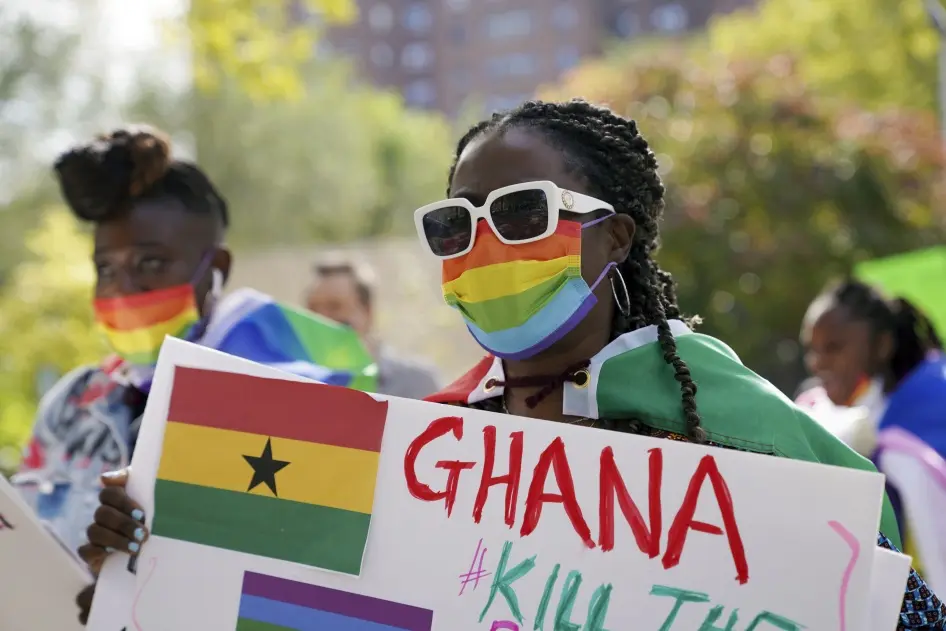
Since 2021, Ghana has been at the centre of one of the most heated social and political debates in its recent history—the proposed anti-LGBTQ+ bill.
Officially known as the Human Sexual Rights and Family Values Bill, the legislation has drawn widespread attention both within the country and internationally. It has generated strong reactions from lawmakers, religious institutions, civil society groups, and global human rights organisations.
Supporters of the bill argue that it is necessary to preserve Ghanaian cultural identity and moral values, while opponents view it as a significant threat to fundamental human rights and freedoms.
Over the years, the bill has gone through several stages, including introduction, parliamentary debates, passage, legal challenges, and reintroduction.
This article provides a comprehensive look at the origins, provisions, developments, and current status of the bill from 2021 to 2026.
Background: Existing laws before the bill
Before the introduction of the proposed legislation, Ghana already had laws that criminalised same-sex sexual activity. Under Section 104 of the Criminal Code, consensual same-sex relations were punishable by up to three years in prison. This legal framework has long been a subject of criticism by international human rights advocates.
However, the Human Sexual Rights and Family Values Bill goes far beyond existing laws. While earlier legislation focused primarily on specific acts, the new bill expands the scope of criminalisation to include identity, expression, advocacy, and support for LGBTQ+ individuals. This broader approach is one of the reasons the bill has attracted such intense scrutiny.
How it started (2021)
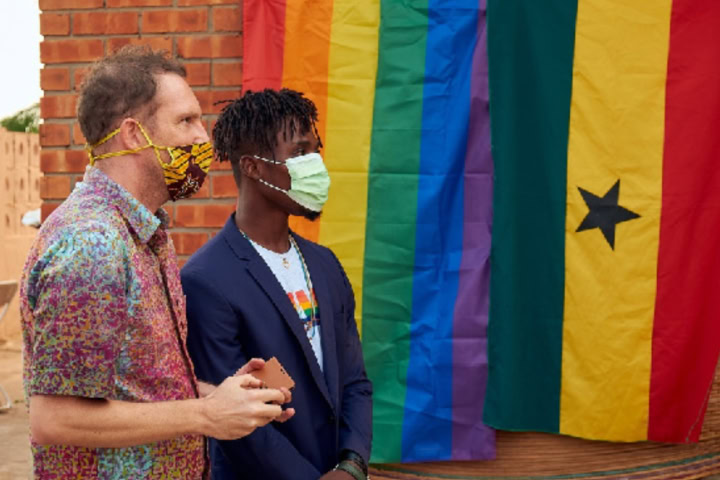
The bill was introduced in Parliament in August 2021 as a private member’s bill, sponsored by a group of Members of Parliament. Its introduction followed a wave of public debate triggered by the opening of Ghana’s first LGBTQ+ community centre in Accra earlier that year. The centre was met with strong opposition from sections of the public, including religious groups and traditional leaders, and was eventually shut down after protests.
From the outset, the bill received strong backing from influential religious bodies, including Christian and Muslim organisations, as well as traditional authorities. These groups argued that the legislation was necessary to uphold Ghanaian values and protect future generations.
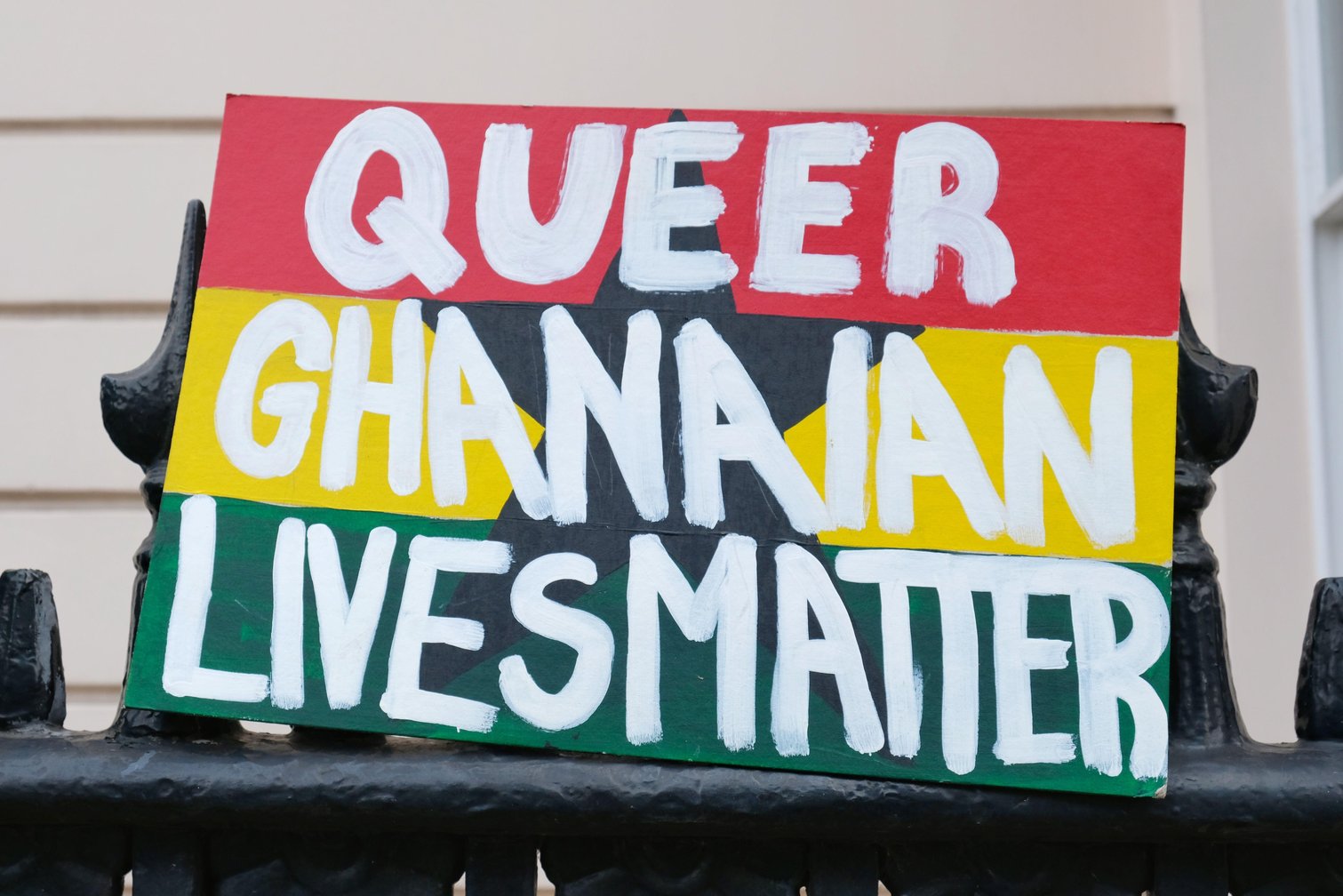
On the other hand, human rights organisations, activists, and some members of the international community voiced serious concerns. They argued that the bill would lead to discrimination, marginalisation, and the erosion of civil liberties.
Key provisions of the bill
The proposed legislation is widely regarded as one of the most comprehensive and restrictive anti-LGBTQ+ laws in the world due to its wide-ranging provisions.
Among its key elements are strict penalties for individuals involved in same-sex relationships, with prison terms of up to three years. The bill also introduces harsher punishments—ranging from six to ten years—for those who promote, support, or advocate for LGBTQ+ rights.
In addition, the bill criminalises public displays of same-sex affection and prohibits the formation or operation of LGBTQ+ organizations. Funding for such groups is also banned, effectively cutting off support networks.
Another significant provision is the prohibition of transgender healthcare services, including gender reassignment procedures. The bill further criminalises the teaching or public discussion of LGBTQ+ issues, especially in educational settings.
One of the most controversial aspects is the requirement for citizens and institutions to report individuals suspected of engaging in LGBTQ+ activities. Critics argue that this could foster fear, mistrust, and social division.
Overall, the scope of the bill extends beyond legal regulation into social and personal life, raising serious concerns about privacy and individual freedoms.
Progress and passage (2021–2024)
Following its introduction, the bill underwent several stages of parliamentary scrutiny between 2021 and 2023. During this period, it was reviewed, debated, and amended in response to public input and political considerations.
Despite delays, the bill gained significant support in Parliament. On 28 February 2024, it was passed by lawmakers with overwhelming backing. This marked a major milestone in its legislative journey.
However, passage by Parliament did not automatically make it law. For the bill to take effect, it required the assent of the President.
Why the bill did not become law in 2024
Although Parliament approved the bill, it was never signed into law by then-President Nana Akufo-Addo. The delay in presidential assent created uncertainty about its future.
Eventually, the bill expired when Parliament was dissolved ahead of the 2024 general elections. In Ghana’s legislative system, bills that are not finalised before the end of a parliamentary term must be reintroduced in the next session.
As a result, despite its earlier passage, the bill did not become enforceable law.
Legal challenges
In addition to political hurdles, the bill faced legal opposition. Several cases were brought before Ghana’s Supreme Court, challenging its constitutionality.
These legal challenges argued that the bill violated key provisions of the Constitution, including rights to freedom of speech, association, and equality before the law.
In December 2024, the Supreme Court dismissed the challenges, effectively removing legal barriers to the bill’s progress. However, this decision did not automatically enact the law; it simply meant that the bill could proceed without constitutional obstruction.
Reintroduction (2025–2026)
After the 2024 elections, the bill was reintroduced in 2025 by a group of Members of Parliament. Its return signaled that the issue remained a priority for many lawmakers.
By 2026, the bill had been formally presented again and was undergoing parliamentary processes, including committee reviews and readings. Discussions around the bill have continued to dominate public discourse.
Some political leaders have indicated their readiness to approve the bill if it is passed again, suggesting that its chances of becoming law remain significant.
Supporters’ arguments
Supporters of the bill maintain that it is essential for protecting Ghanaian cultural and moral values. They argue that the country’s traditions and social norms do not align with LGBTQ+ identities and practices.
Many proponents also claim that the bill will help prevent what they see as the spread or promotion of non-traditional sexual orientations. Additionally, they emphasise the need to protect children and preserve family structures.
Religious institutions have played a major role in advocating for the bill, often framing it as a moral and spiritual necessity.
Critics’ concerns
Opponents of the bill, both within Ghana and internationally, have raised serious concerns about its potential impact.
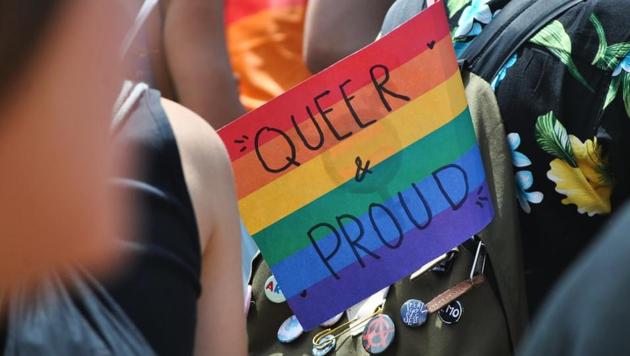
They argue that the legislation violates fundamental human rights, including freedom of expression, association, and privacy. Critics also warn that it could lead to increased discrimination, harassment, and violence against LGBTQ+ individuals.
There are also concerns about the broader implications for civil society, media freedom, and academic independence. By restricting discussion and advocacy, the bill could limit open dialogue and democratic participation.
On the international front, some analysts suggest that the bill could affect Ghana’s diplomatic relations, foreign aid, and investment climate, as many global partners prioritise human rights protections.
Current status (2026)
As of 2026, the Human Sexual Rights and Family Values Bill is once again under consideration in Parliament. It has not yet been passed into law in its current form, but it remains a central issue in national discussions.
Public opinion continues to be deeply divided, with strong arguments on both sides. The outcome of the legislative process will depend on political decisions, public pressure, and broader societal dynamics.
Conclusion
The LGBTQ+ bill in Ghana represents a complex and highly sensitive issue that touches on law, culture, religion, and human rights. Since its introduction in 2021, it has undergone a long and evolving journey, reflecting the challenges of balancing tradition with modern democratic values.
Whether or not the bill eventually becomes law, its impact is already significant. It has sparked national conversation, drawn global attention, and highlighted deep divisions within society.
The final decision on the bill will not only shape Ghana’s legal framework but also influence its international reputation and the lived experiences of many people within the country.