
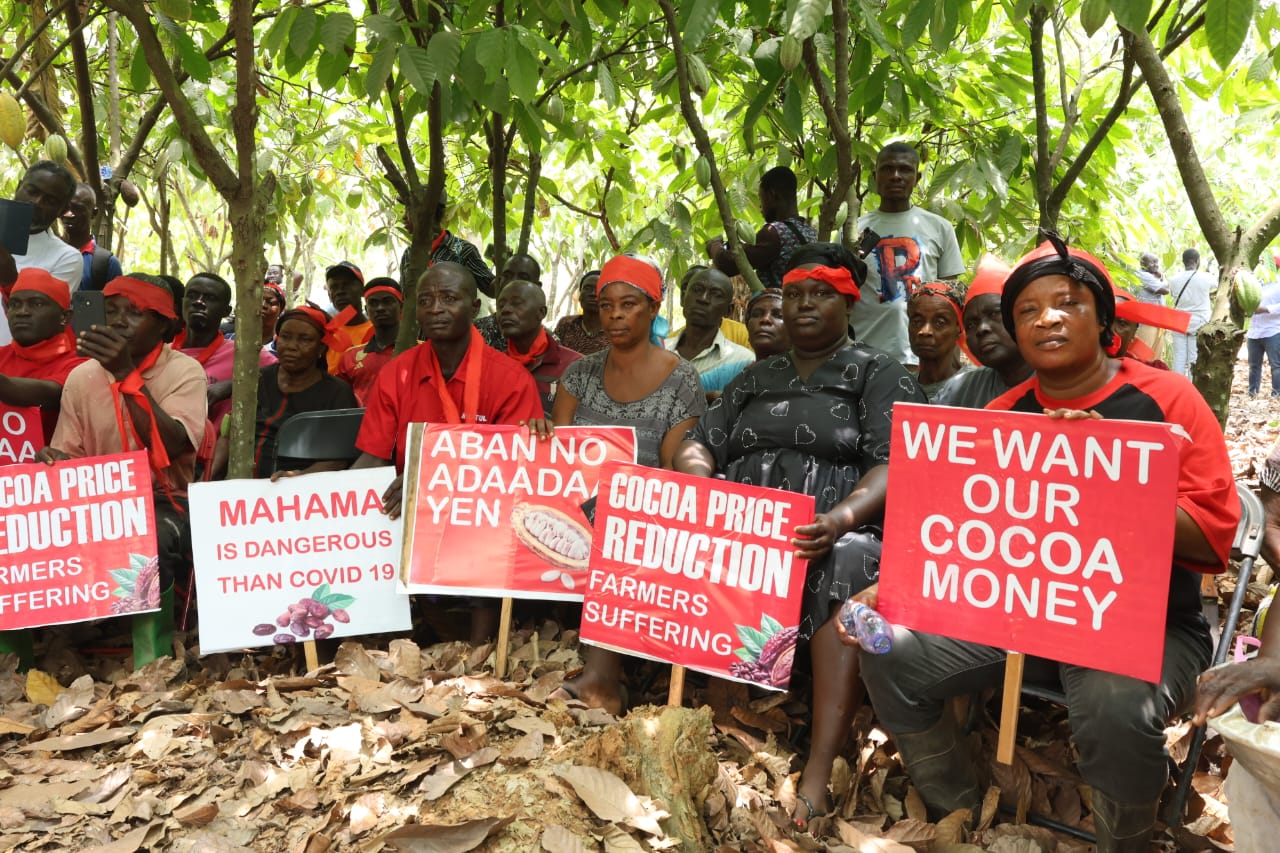
Cocoa farmers across parts of the Ashanti Region have pushed back against what they describe as attempts to politicise access to the National Democratic Congress government support, including fertiliser distribution, amid growing tensions following a recent tour by the Minority Caucus in Parliament.
The development comes in the wake of the Minority’s week-long engagement with cocoa farmers in the region, where farmers voiced concerns over declining producer prices, delayed payments, and what they termed as “cocoa sector hardship.”
According to accounts from communities visited, including Bepoah in the Sekyere East Constituency, some farmers alleged that individuals believed to be aligned with the National Democratic Congress (NDC) threatened to deny them access to government fertiliser if they participated in meetings organised by the Minority.
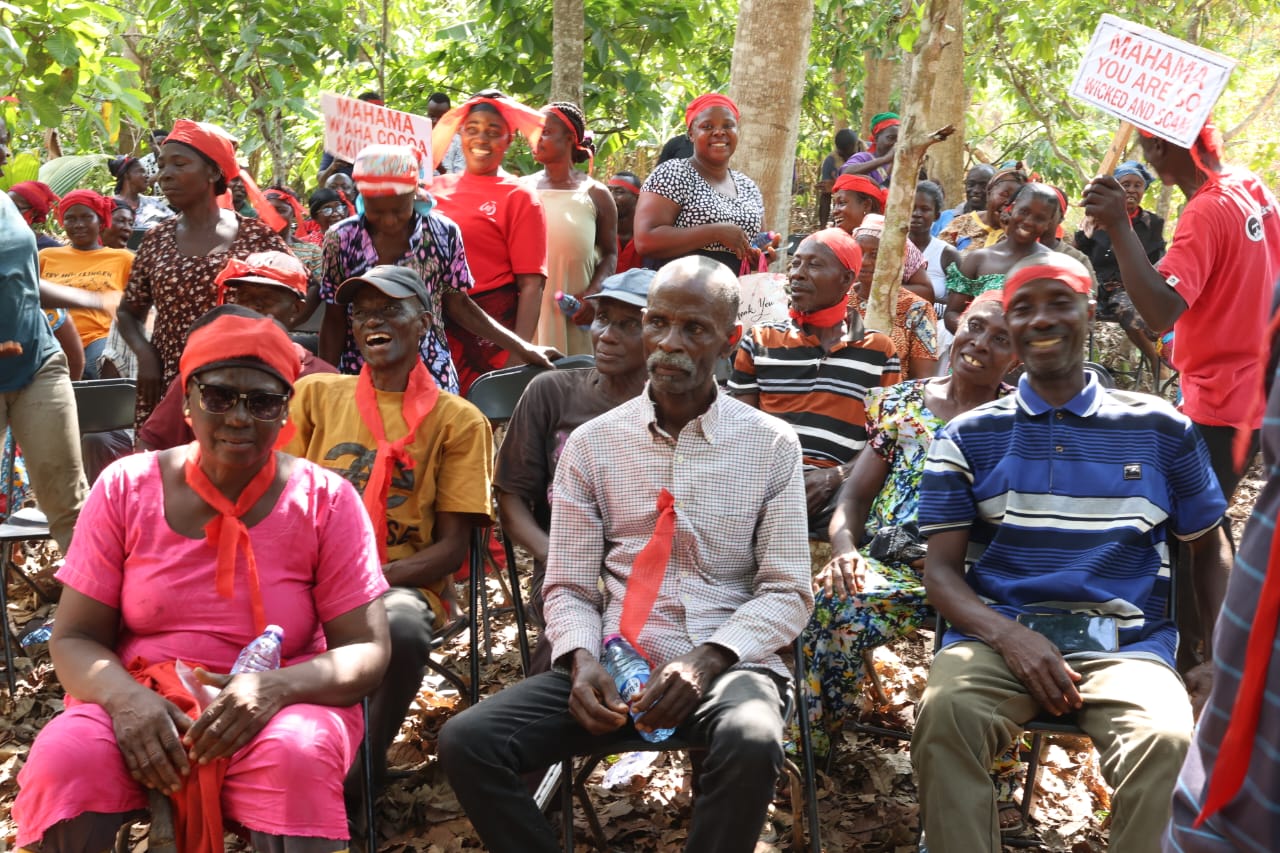
Despite these alleged threats, farmers openly declared their willingness to engage with the Minority, insisting they could not be intimidated or silenced.
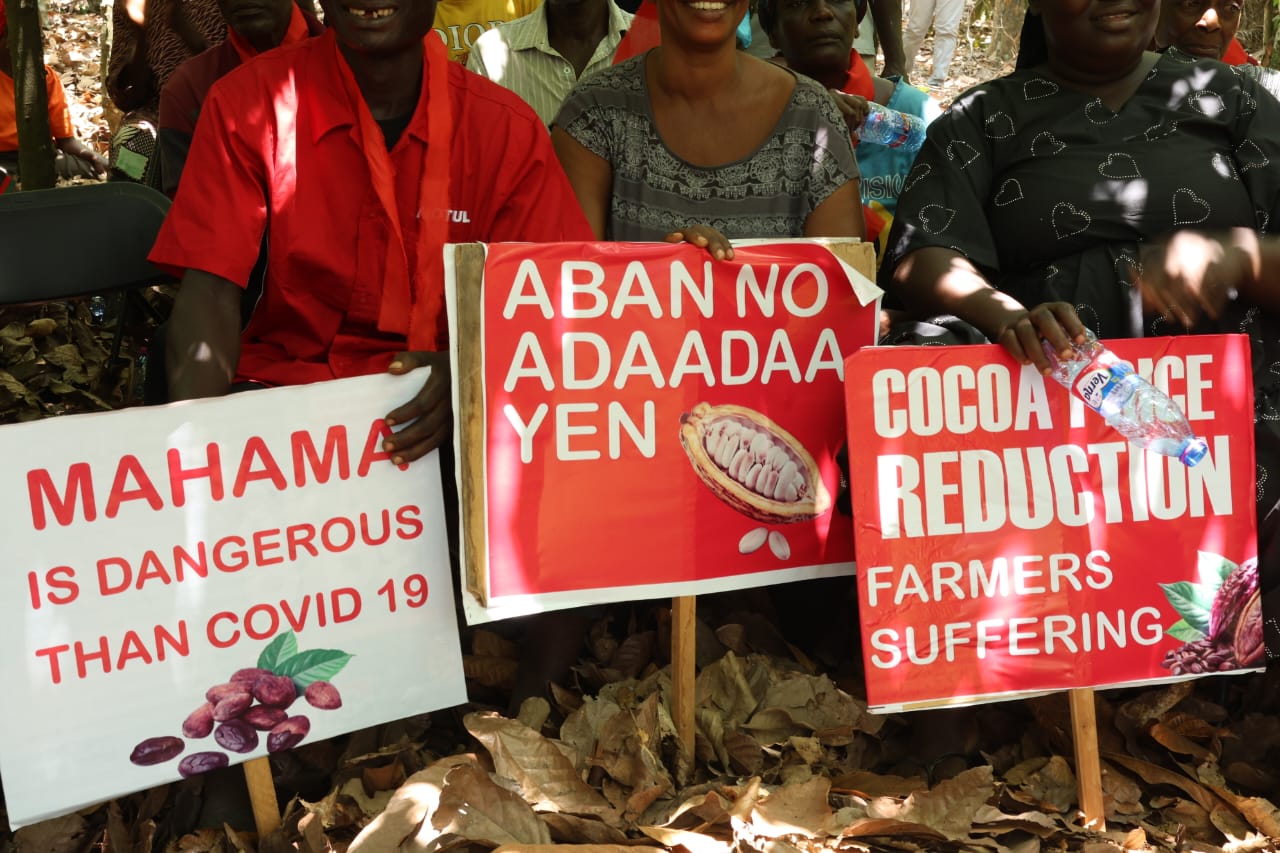
Many stated that their participation in the meetings was driven by the need to express genuine concerns about their livelihoods rather than political allegiance.
Some farmers further indicated that they would not be swayed by promises or fear tactics, emphasising that their priority remains fair treatment and timely support.
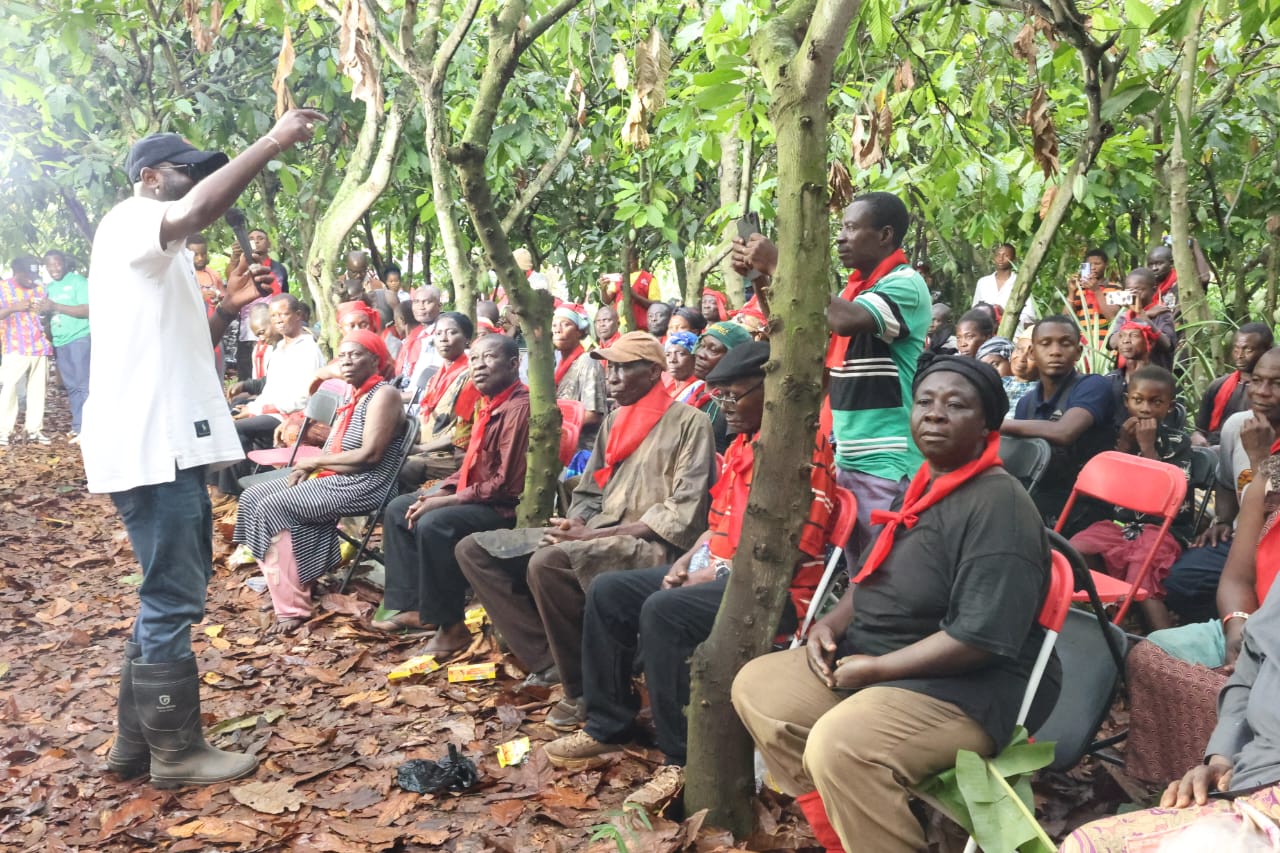
Responding to the concerns, Minority Chief Whip and Member of Parliament for Nsawam-Adoagyiri, Frank Annoh-Dompreh, assured farmers that no government has the authority to deny citizens access to publicly funded support such as fertilisers.
He stressed that such interventions are financed through taxpayers’ money and must be distributed fairly to all farmers regardless of political affiliation.
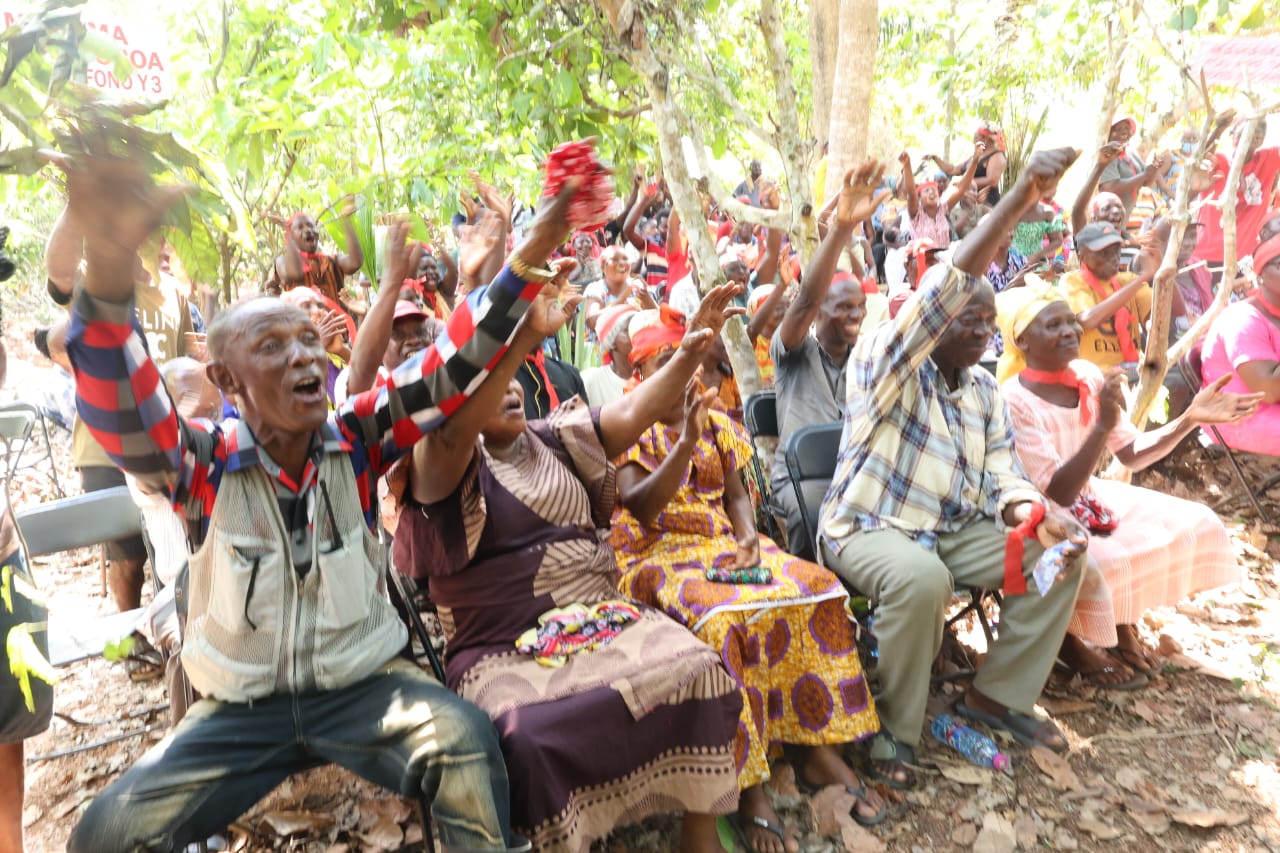
Addressing farmers during engagements in communities, including Soko in the Kwabre North Constituency, Annoh-Dompreh warned that linking government benefits to political loyalty undermines democratic governance and threatens the rights of citizens.
He reiterated the Minority’s commitment to defending the interests of cocoa farmers and ensuring that they are protected from any form of intimidation or discrimination.
The issue also comes at a time when there was a recent announcement by President John Dramani Mahama, who revealed that the government will distribute fertilisers free of charge to farmers in 2026.
The policy, introduced as part of broader agricultural reforms and the 24-hour economy initiative, is intended to replace the existing subsidy system and cushion farmers against losses while boosting productivity.
According to the President, fertilisers that were previously sold at subsidised prices will now be provided at no cost to farmers, alongside additional support such as mechanised services, irrigation, and storage facilities through newly established Farmer Service Centres.
The intervention, which is expected to replace the existing subsidy system, is intended to cushion farmers against recent losses and improve productivity within the sector.
However, concerns raised during the Minority’s tour suggest that implementation challenges and trust deficits may undermine the intended impact of the policy if issues of fairness and transparency are not addressed.
The Minority’s tour itself highlighted the depth of frustration among cocoa farmers. In Darso in the Offinso North Constituency, farmers famously defied heavy rains to wait for hours to meet the delegation, demonstrating the urgency of their concerns.
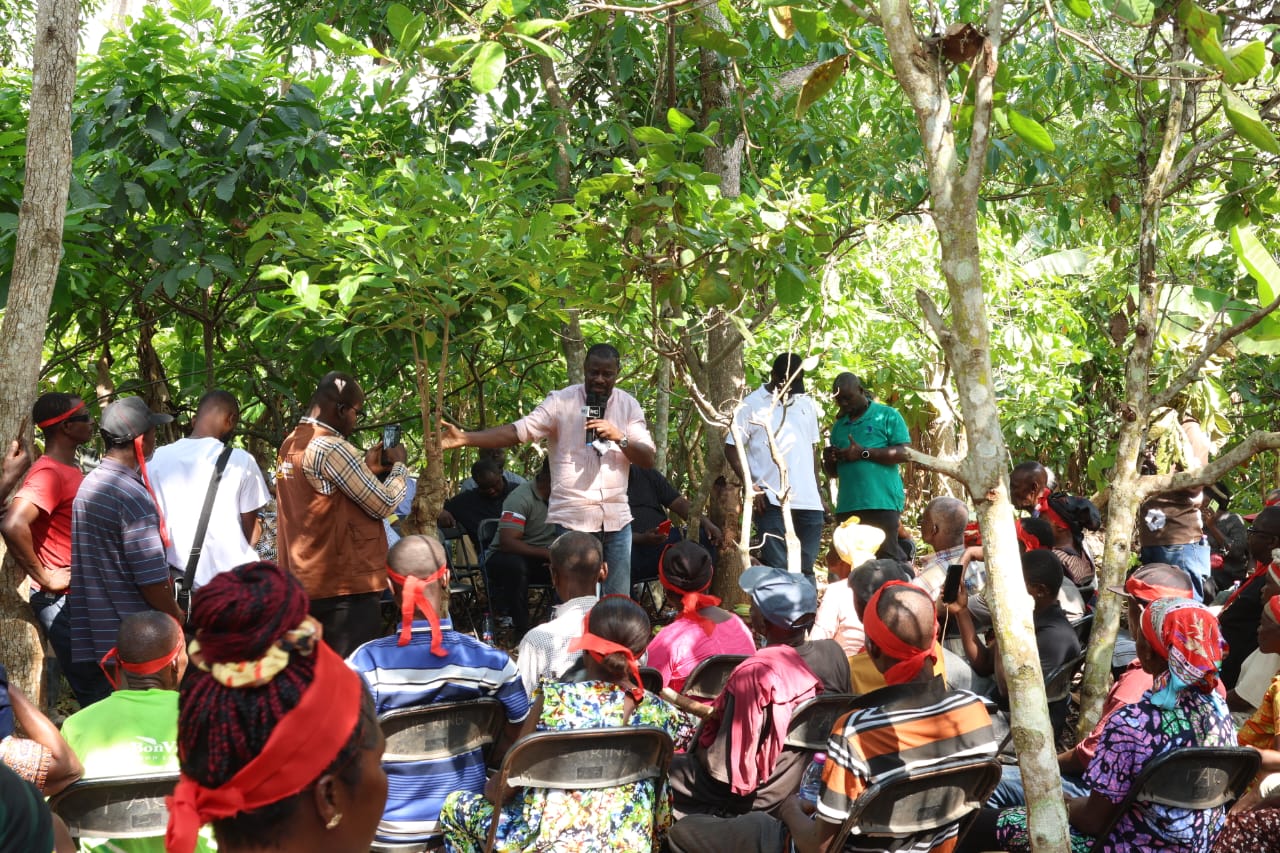
Many farmers reported financial hardship due to delayed payments and reduced incomes, noting that the situation has affected their ability to cater for their families and sustain cocoa production.
The Minority Caucus has indicated that concerns gathered from the tour will be presented in Parliament to push for policy review and stronger protections for farmers.