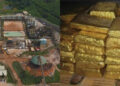


Blue Skies Company Limited, one of Ghana’s leading fresh fruit processing companies, is facing a significant challenge after illegal sand winners destroyed 100 acres of its farmland in the Awutu Senya West District of the Central Region.
The land, which the company has cultivated for over 20 years, plays a vital role in the production of fresh pineapples — a core ingredient for its juices and export products.
Head of Corporate Affairs at the Blue Skies Company, Alistair Djimatey says the destruction occurred over time, as illegal sand winning activities intensified in the area.
“This was part of our pineapple farms. In this area we have about four hundred and eighty acres of land. Out of this, 100 acres of the land has been destroyed because of these illegal activities.
“Unfortunately nothing much is being done to address it. This is going to affect agricultural productivity. Due to these illegal activities, we have suppressed the pineapple industry to the barest minimum,” he said.
Illegal sand winning—driven largely by demand from the construction sector—has become a growing concern for agribusinesses across the country. The unregulated activity not only destroys farmland but also threatens Ghana’s broader goals around food security and agricultural development.
Founder of Blue Skies, Anthony Pile is however urging the government and civil society organisations to enforce land use and environmental regulations more strictly, and to introduce protective zoning that secures farmland against encroachment.
“My plea to civil society and especially to government is to have some interventions and punitive actions meted out to people engaged in sand stealing. Put them in prison if they steal sand, especially if it hasn’t been approved, put them in prison, that is where they should be,” he said.
He also noted that agribusinesses need a stable environment to operate. Protecting productive farmland is essential to that stability.
For many stakeholders, as Ghana looks to expand non-traditional exports and strengthen its agro-processing sector, incidents like this highlight the urgent need to balance land use priorities and protect long-term investments in agriculture.