
Offinsomanhene Nana Dwamena Akenten II has encouraged the Minority Caucus in Parliament to continue to boldly voice out the concerns of cocoa farmers as they embark on a tour of cocoa-producing communities across the Ashanti Region.
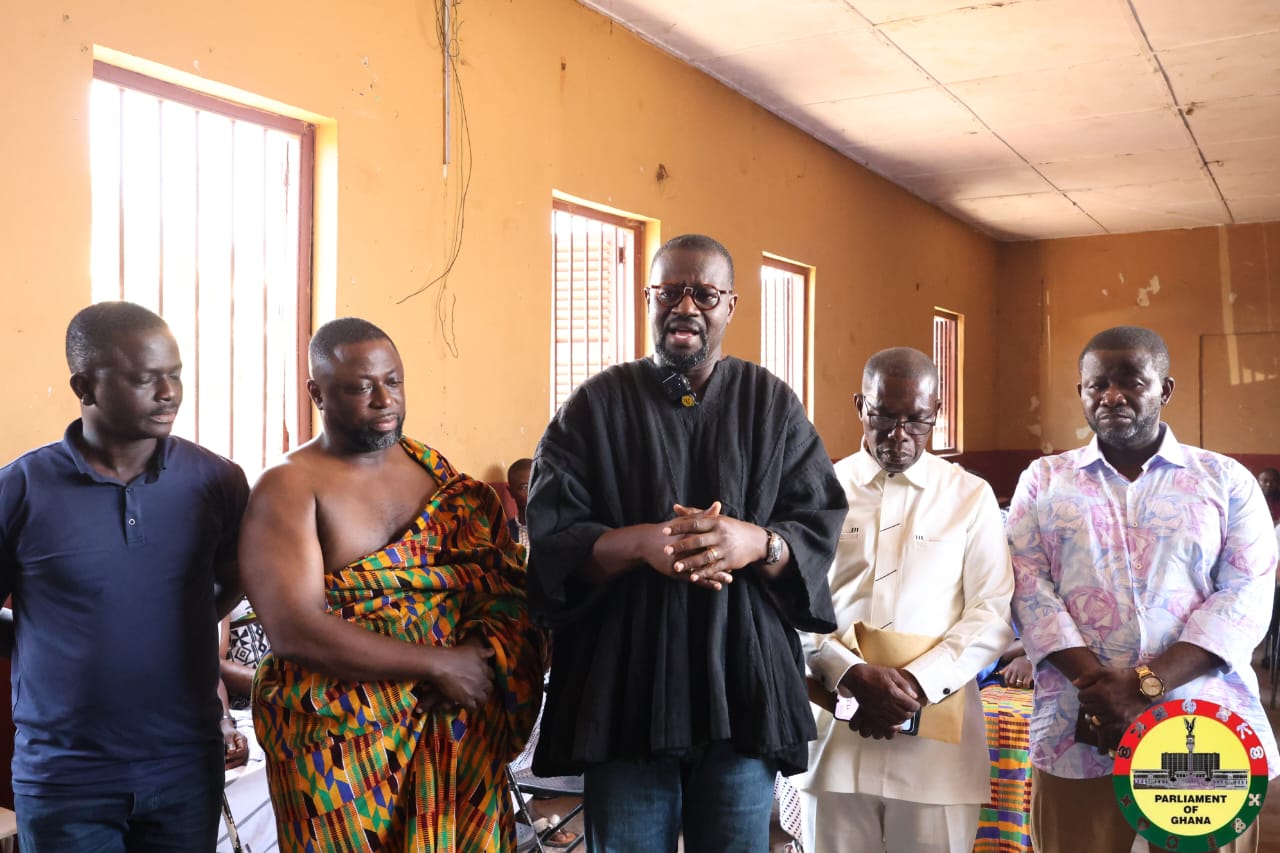
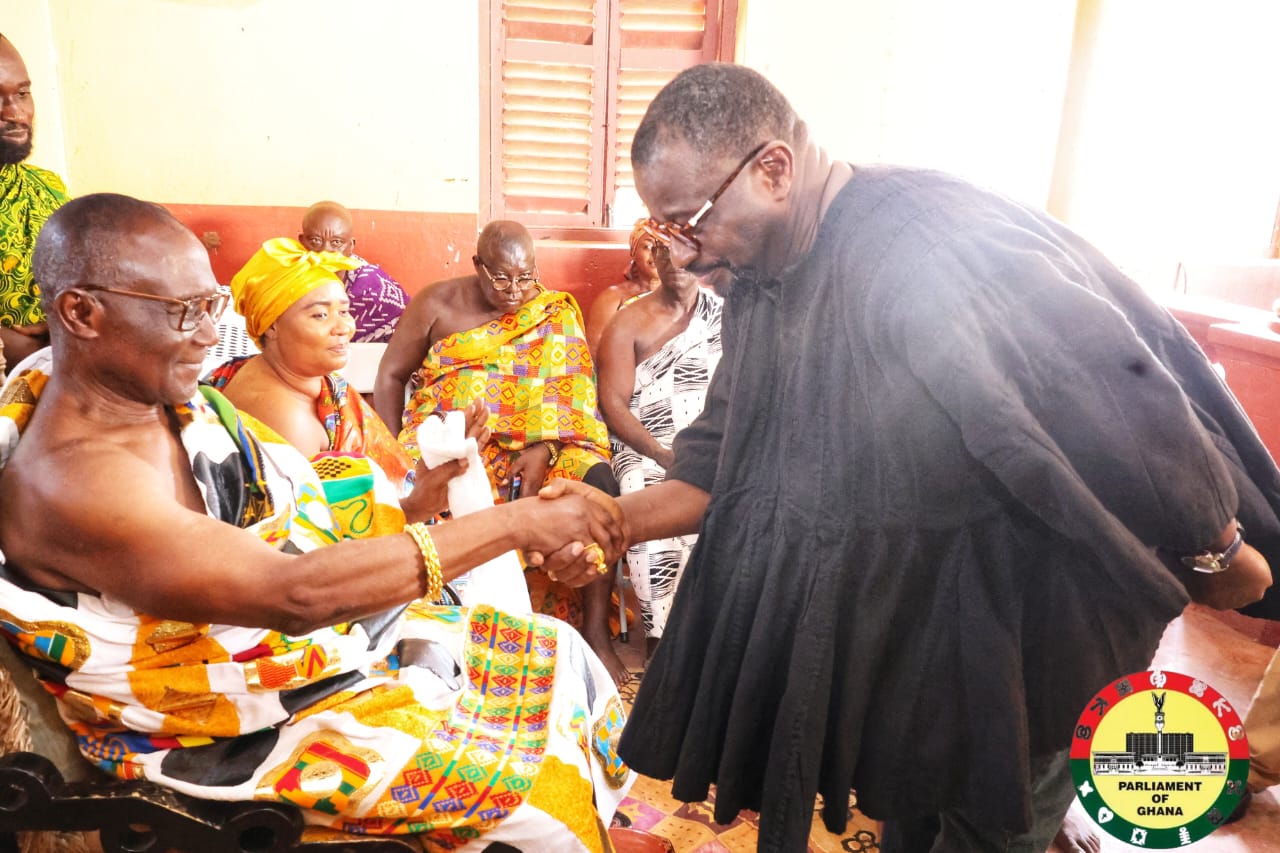
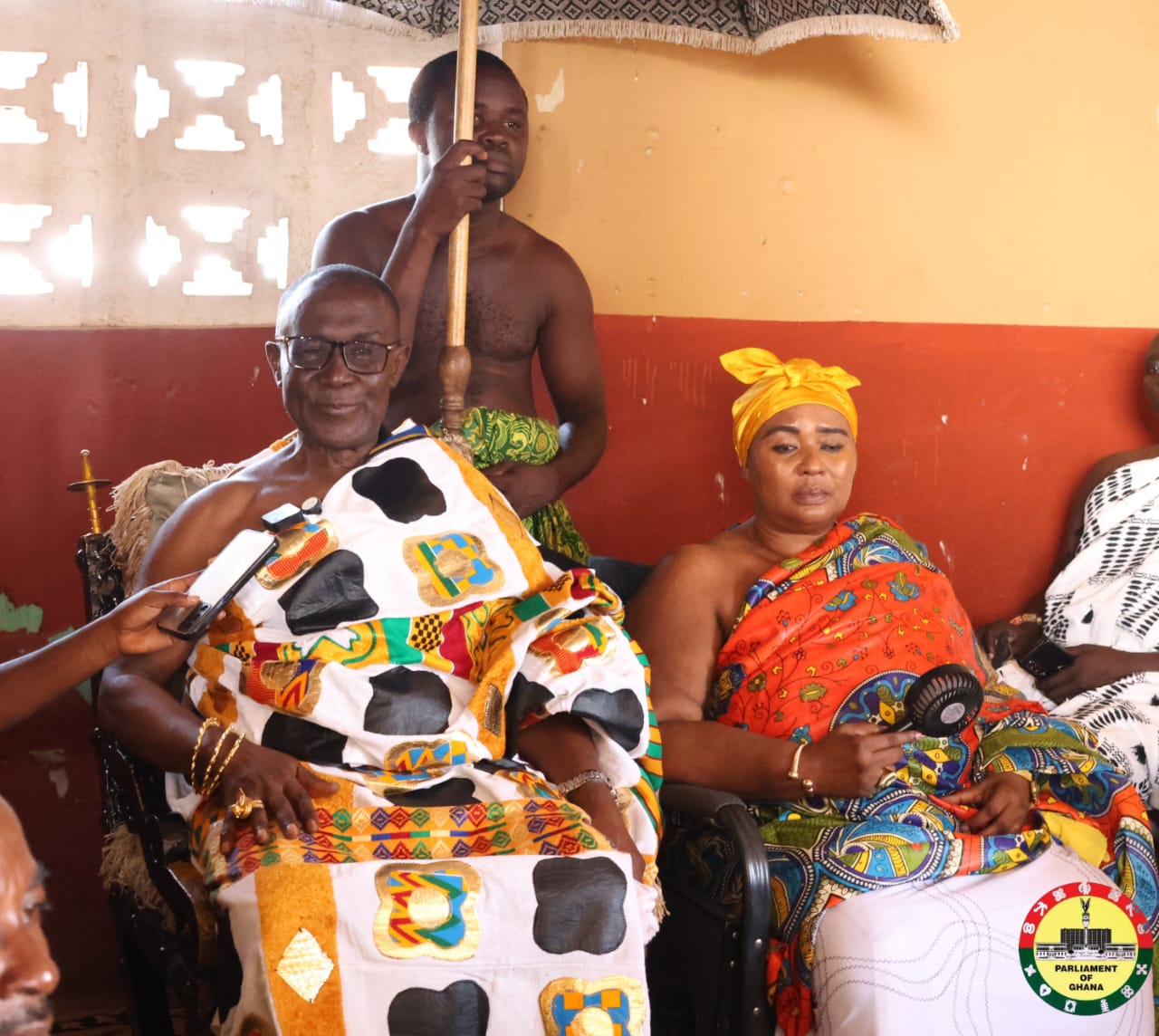
Nana Dwamena Akenten II threw his weight behind the Minority when a delegation of the caucus led by Minority Chief Whip and Member of Parliament for Nsawam-Adoagyiri, Mr Frank Annoh-Dompreh, paid a courtesy call on the Offinsomanhene and the Offinso Queenmother, Nana Adwoa Afranewaa III, on Sunday during the traditional Akwasidae celebration in Offinso.
The visit formed part of the Minority’s preparations ahead of a week-long tour of cocoa-growing communities in the region beginning Monday.
The MPs had initially planned to pay a courtesy call on the Asantehene, Otumfuo Osei Tutu II, but were informed that the revered monarch was out of the country.
In his absence, the Offinsomanhene, who serves as one of the senior traditional authorities in the Ashanti Kingdom and oversees affairs in the king’s absence, received the delegation and offered them his blessings.
Addressing the delegation, Nana Dwamena Akenten II urged the lawmakers to ensure that the concerns of cocoa farmers are carried to the national stage without partisan bias.
According to him, the welfare of cocoa farmers should be treated as a national issue that transcends politics. “Go and speak for the farmers — we are behind you,” the chief told the MPs, adding that farmers remain the backbone of the cocoa economy and must be given the attention and support they deserve.
The chief also called on the Parliament of Ghana to consider enacting laws that would protect chiefs from public insults and unfounded allegations, stressing that respect for traditional authorities is essential to maintaining Ghana’s cultural values and social harmony.
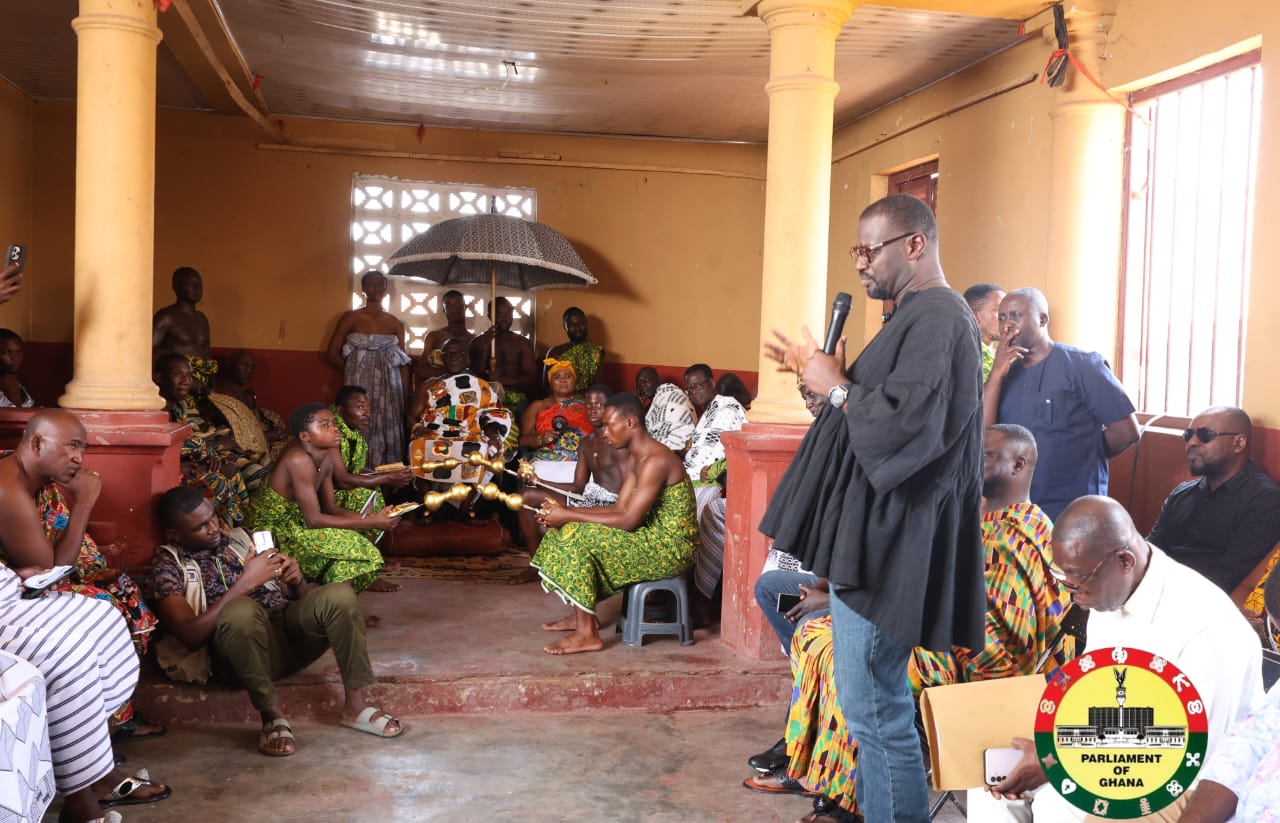
Earlier, speaking on behalf of the delegation, Mr Annoh-Dompreh explained that the Minority caucus considered it important to seek the blessings of traditional authorities before embarking on the tour, acknowledging the role chiefs play in the lives and development of cocoa-producing communities.
He said the tour was intended to give cocoa farmers a platform to share their concerns directly with Members of Parliament.
According to Mr Annoh-Dompreh, the delegation’s mission is to interact with farmers and gather firsthand information about the impact of the recent cocoa price “haircuts” introduced by the government.
He noted that many farmers have complained about declining incomes, rising cost of inputs, and the challenges affecting cocoa production, adding that the Minority believes these concerns must be properly heard and addressed at the national level.
“We are here to listen to the voice of the cocoa farmer,” Mr Annoh-Dompreh told the chiefs and elders gathered at the Akwasidae durbar. “Whatever concerns they raise during this tour will be carried to Parliament so that their plight can be properly represented and solutions found to improve their livelihoods.”
The Minority Chief Whip further indicated that after completing their engagements with cocoa farmers across the Ashanti Region, the delegation intends to formally brief the Asantehene, Otumfuo Osei Tutu II, on the outcome of the tour and the concerns raised by farmers.
The Ashanti Region tour follows a similar exercise conducted weeks earlier by the Minority caucus in cocoa-growing areas of the Eastern Region.
During that tour, farmers openly expressed frustration over the reduction in cocoa producer prices—from over GH¢3,500 per bag to approximately GH¢2,500—as well as delays in payments and rising production costs.
Members of the Minority delegation, including representatives from parliamentary committees responsible for economic affairs, development, food, agriculture, and cocoa matters, say the nationwide engagement is aimed at gathering evidence-based feedback from farmers to support calls for policy review in the cocoa sector.
The Ashanti Region tour is expected to continue throughout the week, with the MPs visiting several cocoa-producing communities to interact with farmers and document their concerns before raising them in Parliament and before traditional authorities.
By A. D. Bampoe