
The passing of a sitting Member of Parliament earlier this year left both a political and emotional vacuum within his constituency. In the weeks that followed, public debate intensified after his widow indicated interest in contesting the party primaries to continue his political work. What might have ordinarily been seen as a routine democratic development has instead evolved into a sensitive national conversation, particularly within Muslim communities.
The discussion now sits at the intersection of Islamic interpretations of widowhood, constitutional rights, and long-standing socio-cultural realities. Understanding these issues requires careful reflection rather than any quick judgment.
Faith and the Question of Iddah
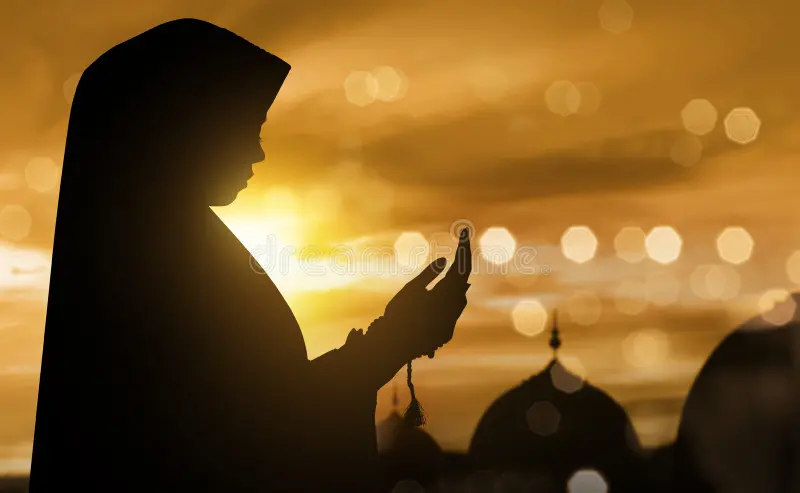
From an Islamic jurisprudential standpoint, the central concern revolves around a widow’s observance of iddah, the mourning period prescribed for a woman whose husband has passed away. This period lasts four months and ten days and is generally characterized by modesty, reflection, and limited public engagement.
Classical scholars differ on the extent to which a widow may participate in public activities during this time. Some scholars hold that sustained public presence, especially activities involving public mobilization such as political campaigning, contradicts the spirit of mourning. Others maintain that participation may be permissible under necessity or if public appearances are limited and dignified.
The debate, therefore, is not entirely settled within Islamic scholarship. However, in many communities, social perception often carries as much weight as jurisprudential nuance. Religious propriety is not merely about legality but also about communal acceptance. This notion of communal acceptance is not self-defining and remains an area that requires empirical development.
Constitutional and Gender Rights Considerations
From a democratic and gender rights perspective, the widow’s right to contest political office is clear. Political participation is a constitutional entitlement, not a privilege reserved for men. Women’s participation in governance is critical for inclusive policymaking and representation. Many gender advocates therefore see resistance to her candidacy as another barrier against women’s full participation in public leadership. Yet, the reality is more layered than a straightforward rights-based argument.
Advocacy Within Community Realities
Communities such as Mamobi and many Zongo communities across Ghana operate within deeply patriarchal social structures. Men often remain primary decision-makers in households and communities. Religious leadership, public opinion, and family decisions, including whether girls attend school are frequently shaped by male authority figures.
Over the years, gender advocacy in such spaces has made progress not through confrontation but through engagement. Advocates have worked with Islamic clerics and community leaders to emphasize that educating girls aligns with both religious values and social development. In many cases, male clerics speaking to male congregations have been the most effective channel for encouraging families to educate their daughters. This progress remains fragile and requires careful stewardship.
The Strategic Challenge for Muslim Gender Advocates
Here lies the dilemma. If advocacy around this political contest is framed as women openly defying religious norms, it risks provoking a backlash. Some conservative voices may use the situation to argue that educating girls leads to the erosion of religious or cultural values. Such narratives, if strengthened, could undermine long-term efforts to secure educational and social opportunities for Muslim girls.
Advocacy often requires choosing which battles to fight immediately and which ones require strategic patience. Sometimes, safeguarding long-term progress requires restraint in the short term. The broader objective remains ensuring that every Muslim girl has access to education, opportunity, and dignity. That larger goal must not be jeopardized by a single political contest.
Finding a Balanced Path Forward
Supporting women’s political participation and respecting communal religious sensitivities need not be opposing goals. However, the present reality suggests that our communities and political structures may not yet have developed the flexibility required to comfortably reconcile both positions in moments like this. This is precisely why caution and strategic judgment become necessary. The question is not simply whether accommodations could theoretically be made, but whether pushing for them now risks undermining broader efforts toward long-term acceptance of women’s leadership. The ultimate aim remains not just winning a single electoral contest, but securing enduring community support for women’s participation in leadership and public life.
Building the Readiness We Seek
The real task, therefore, is to continue building the social and religious understanding that will make such moments less contentious in the future. This requires sustained engagement with community leaders, religious scholars, political actors, and families to demonstrate that women’s participation in leadership is not a rejection of faith or culture but a contribution to community development. Progress will come when more women enter leadership through negotiated pathways that communities see as consistent with religious and cultural values, thereby normalizing women’s leadership rather than framing it as rebellion. Readiness will therefore not arrive suddenly; it will grow steadily through strategic dialogue, education, and trust, until women’s participation in public leadership is seen not as an exception, but as part of our collective progress.
Rights Must Walk With Wisdom
There is no contradiction in being both a committed Muslim and a passionate advocate for women’s rights. However, advocacy within religious communities requires sensitivity, patience, and strategic thinking. True transformation occurs when communities evolve from within, not when they feel forced from outside.
The present debate, therefore, asks a deeper question: not only whether a widow can contest a political seat, but how women’s advancement can continue without endangering broader gains for Muslim women and girls. Progress sometimes moves not through confrontation, but through wisdom and careful steps taken with foresight.
By Ayisha Malik Kamara
Lawyer, Lecturer & Gender Rights Advocate