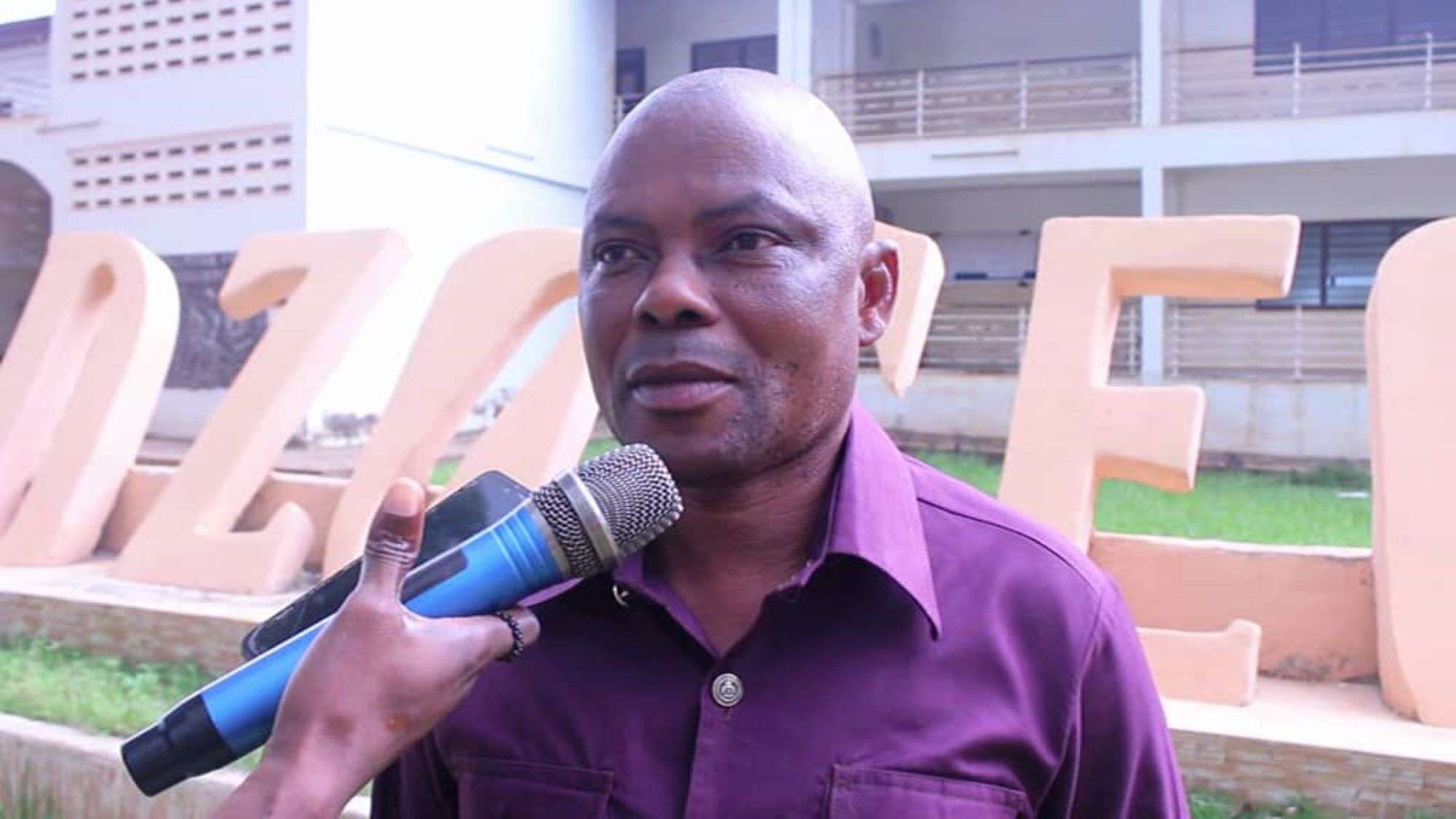

Growing up in the bustling heart of Accra’s Central Business District, Abdul Muiz Abass learned early what it meant to keep moving. Surrounded by the energy of Rawlings Park, Opera Square, the Arts Centre and the now-popular Kufuor Station, he recalls an environment that shaped his discipline, worldview and eventually, his career path. “My environment shaped me a lot,” he says, pointing to the cassette-selling era near UTC and the street culture that formed the backdrop of his childhood.
But unlike many creatives, Abdul Muiz Abass did not grow up inspired by music, film or television. In fact, he rarely consumed any of it. He describes himself as someone who fell asleep any time he attempted to watch a screen. His early life, bound by a strict Muslim routine and household responsibilities, left little room for entertainment. “I’ve been a workaholic all my life,” he says.
His schooling followed a similarly disciplined pattern. After completing Junior High at Private Odartey-Lamptey Memorial JHS, he moved on to Christian Methodist Senior High School. His peers knew him as “Class Papa,” the older, responsible figure among younger classmates. Leadership came naturally – he served as school prefect in both JHS and SHS and participated in nearly every club, from SANKOSA and GUNSA to Scripture Union, which he joined partly out of curiosity and partly to build networks. “Politics,” he explains simply.
Finding the Creative Path
Abdul Muiz Abass’ entry into the creative space officially began during his teenage years, when he spent time at the Arts Centre with the theatre group Fie Ankrah. Later, after relocating for school, he joined Theater Mirrors under Lawyer Nkrabia Efadateh, deepening his interest in performance arts.
His path would eventually lead him to the University of Education, Winneba, where he studied Theatre Arts. It was during this period that he met musician Patapaa, then an upcoming artiste from Swedru. Their relationship, he explains, began with shared ambition. “I wanted to be somebody. He wanted to be somebody,” he recalls.
When Patapaa’s now-famous “One Corner” emerged, Abdul Muiz Abass became one of the early catalysts behind its spread. Long before the song became a viral sensation, he was consistently sharing it, forwarding it and sending it beyond Ghana’s borders. “I think I played a role I wasn’t even aware of,” he says. He reached out to contacts in Nigeria and francophone countries and leveraged traditional media channels, eventually contributing to the song’s breakthrough.
 Today, Abass serves as Patapaa’s talent manager—working around the artiste’s unpredictable personality while helping sustain his brand visibility. Their relationship, he says, is more brotherly than formal, shaped by years of loyalty and shared experience.
Building ‘Elevate’ and a Career in Talent Management
Beyond Patapaa, Abass has spent years working with both emerging and established talents. Through Elevate, his talent-management outfit, he has handled or supported artistes including Stonebwoy (in the Central Region), Ambolley, Terry G, Emy Black, Yaa Jackson, R2Bees and, currently, rapper Kweku Smoke. He is also grooming a rising artist, Gakpe, whom he has been developing for nearly three years.
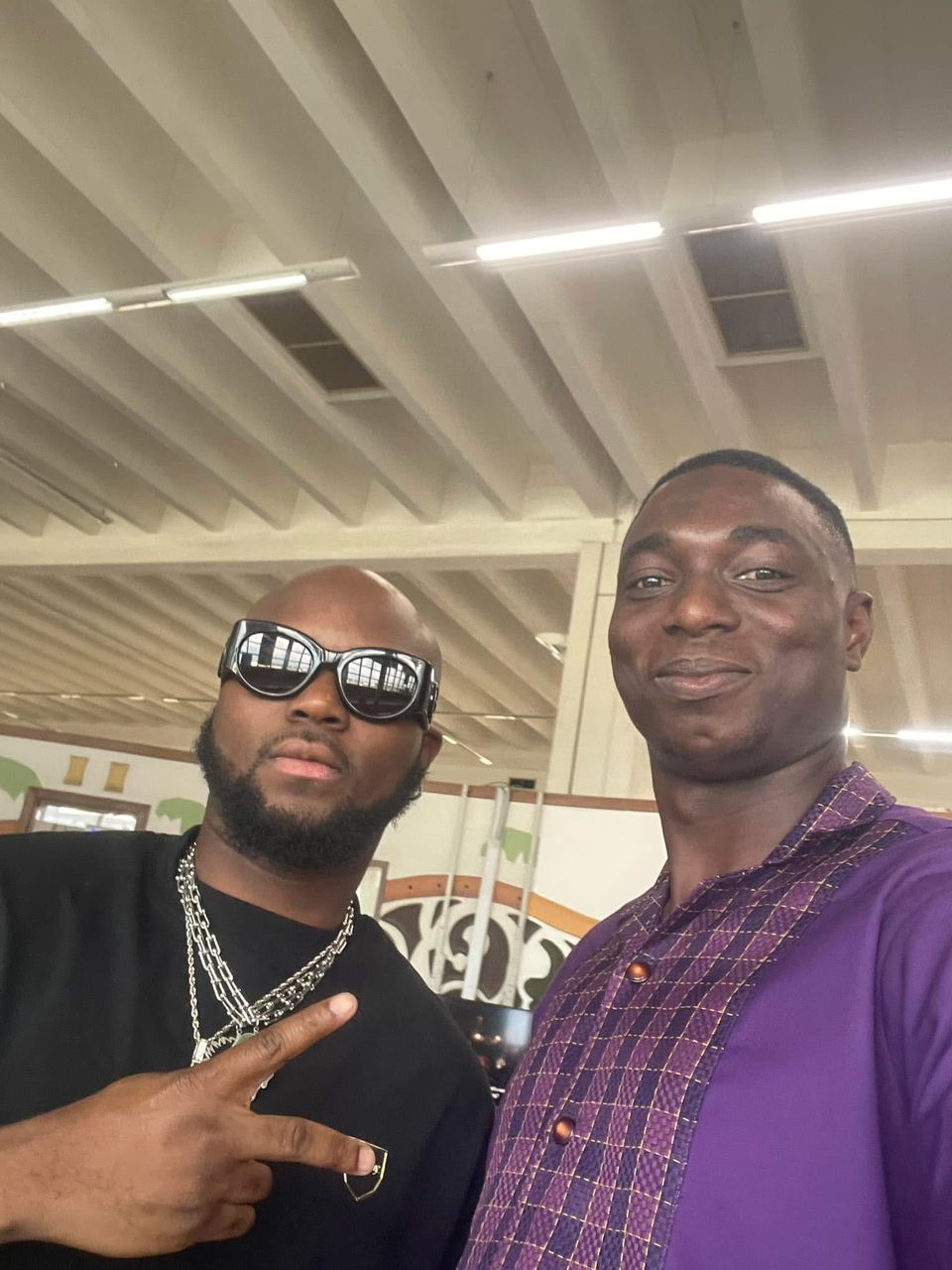
But he is quick to point out that talent management in Ghana is demanding, unpredictable and often unrewarding. Piracy, low streaming culture and audiences concentrated in areas with limited digital exposure all contribute to a difficult business environment. “The only major side we really make something for ourselves is the performances,” he notes.
Events, PR and the Lessons of the Industry
Abdul Muiz Abass’ expertise extends beyond talent management. He has organized and directed numerous events, from university productions to major shows such as the Asaase Sound Clash featuring Shatta Wale and Stonebwoy. He recalls producing a Christmas event for Winners’ Chapel International – one of his best-paid early works – and the challenges of mounting “Shatta Wale Live in Winneba,” which left him deep in debt but taught him valuable lessons.
In the PR space, he works behind the scenes handling media liaison, crisis management and brand protection for clients. Some of this work involves discreet interventions – a role he says demands trust and confidentiality.

On the Industry, the Youth and His Legacy
When assessing Ghana’s creative industry, Abass believes opportunities exist but only for those willing to learn and adapt. He calls for continuous education in an industry evolving rapidly across the world. With peers and colleagues in the United States, Russia, Nigeria and China, he sees the gap in global competitiveness. “We are dreaming,” he says bluntly about Ghana’s pace compared to others.
Yet his message to young people remains consistent: keep learning. “Don’t stop educating yourself,” he believes. And while many chase overnight fame, he insists that building real artistry takes time, patience and substance.
Asked what he hopes to be remembered for, Abass chooses a simple title: “king maker.” He has turned down multiple opportunities to take centre stage, preferring instead to guide others. “I’ve understood my path,” Muiz added. “I’m a helper. I’m a giver.”
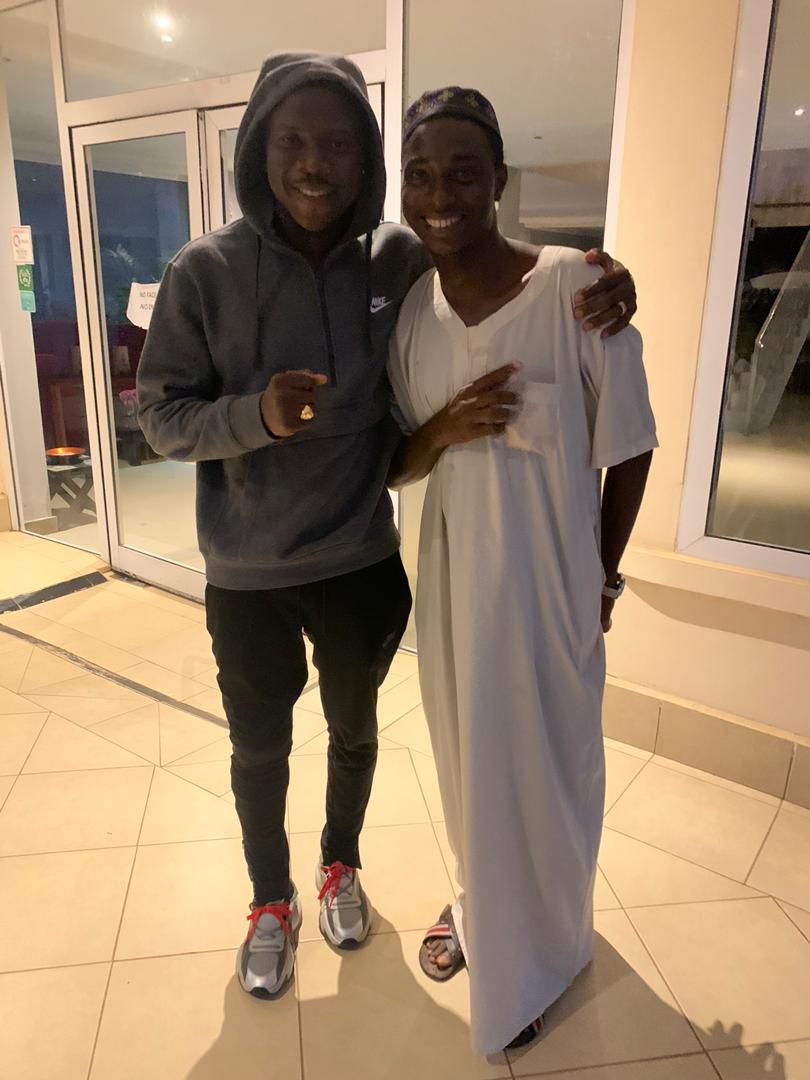
For someone who grew up in Accra’s busiest streets, working before dawn and rarely watching a television screen, the trajectory of Abdul Muiz Abass stands as a testament to persistence, adaptation and an unrelenting desire to build others up – one talent at a time.