

Over 300 adolescent girls from various Primary and Junior High Schools at Diare in the Savelugu municipality in the Northern Region have received an average of two boxes of sanitary pads from ‘Girls to Women Foundation,’ a nongovernmental organization working in the areas of the girl-child and women empowerment, education and agriculture.
The Foundation, as part of marking this year’s Menstrual Hygiene Day, held an awareness creation programme on Saturday, May 31, with the school children, parents and opinion leaders in the Diare community to educate them about menstrual processes, personal hygiene.
The adolescent girls were taught on how to wear pad during menstruation and the responsibilities of the parents towards their wards in such circumstance.
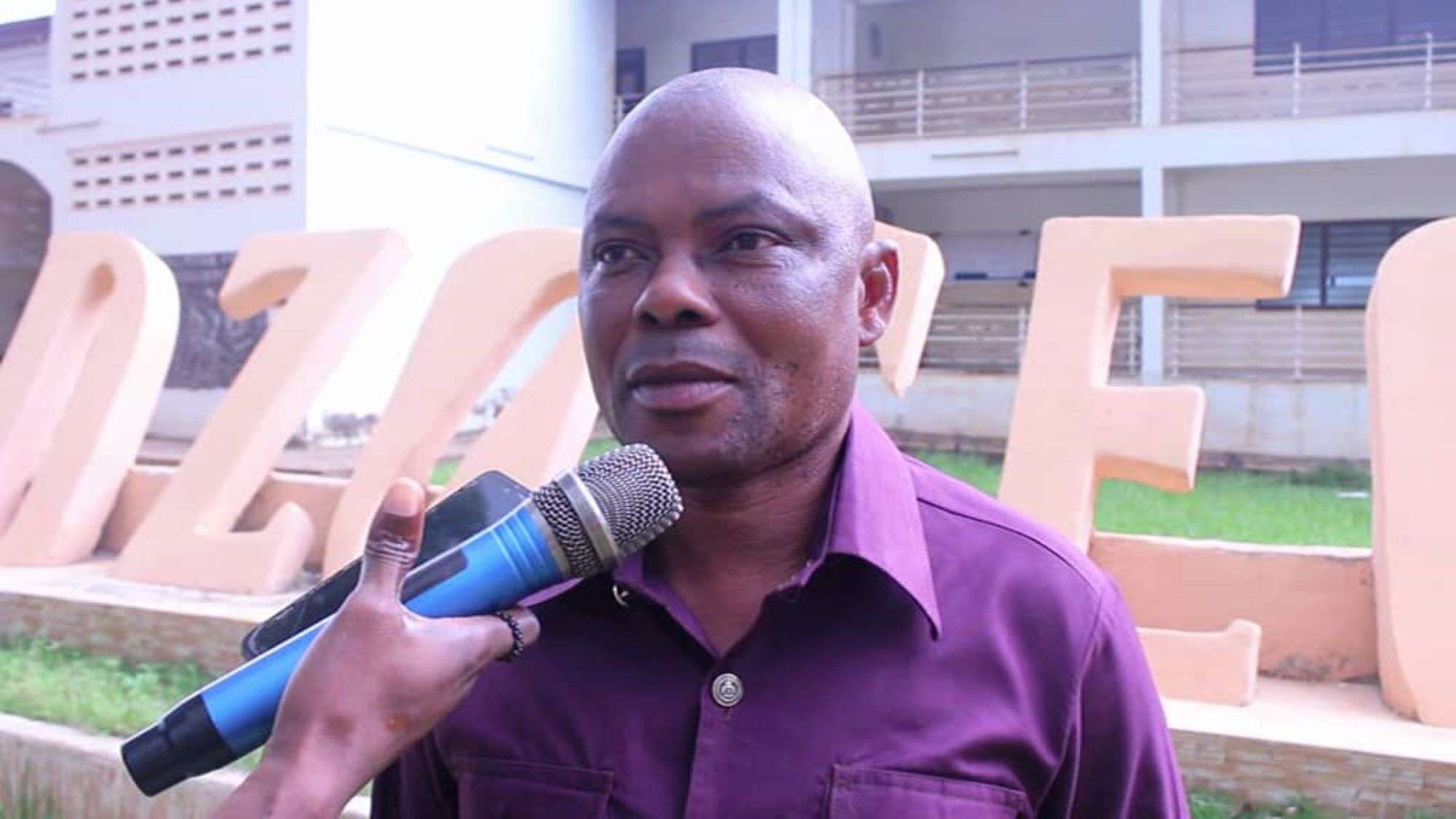
Madam Barichesu Sulemana Frinjei, Programmes Manager at Girls to Women Foundation in an interview noted that beyond the celebration, the Foundation will continue to hold discussions with the relevant stakeholders in the communities to curb the misconceptions and stigmatization of girls and women during their period.
“For us, this program will probably exceed just marking the day. So we look forward to having the opportunity to be able to come out with other interventions that would continue to top up the conversation on menstrual hygiene as we come together collectively to dystigmatize the myth around menstrual hygiene,” she said.
Madam Barichesu further highlighted the importance of information in decision making and stated that in the past, teenagers hardly had people talking to them about mensuration.
She noted that the adolescent girls had to resort to their peers for some kind of information which had the tendency to expose them to menstrual complications and other associated dangers.
“So the need for this exercise is, we want the girl-child and even parents to know it is important to educate our girl children on mensuration because mensuration is part of us as females and at the age of puberty, it ushers us into womanhood. So it is very critical for us to know what to do when we get to that stage.
“Currently, I think the age for menstruation is as low as 9 – we have pupils at the age of 9 years due to the current system, what we eat and all of that, who begin their menstruation.
“So this awareness is important – you can see we have both parents [mothers and fathers] here, because we want to drive the conversation beyond the students so that when they go back home they will realize there’s the need to engage our children at a very young age so that they are able to get the right information to empower to have a stigma free mensuration and menstruate in dignity” she emphasized.
The Programmes Manager further commended Norsaac, Songtaba, RAINS, the Office of Zosimli Naa, Sisters Song and Northern Ghana Association based in Kentucky in the United States of America for their immense support to the project.
Meanwhile, the School Health Education Programme (SHEP) Coordinator for the Savelugu Municipality, Madam Benedicta Aovare, in her remarks said the impact of the exercise organized by the NGO cannot be overemphasized, stressing this means so much to the municipality.
She quizzed why a normal conversation that ordinarily should have started at home between parents and their teenagers is forbidden due to cultural and religious practices and beliefs.
“We know that as Ghanaians and Africans, culturally and faith wise, we turn to shy away discussing reproductive health issues. Some have some kind of shyness and others think it’s forbidden. So what should have started as a normal conversation in the house between a mother and a daughter, a father and a daughter or a son – because there’s a son that grows to become a husband so we need to open such friendly conversation with them,” she argued.