
It has now emerged that the government has created a WhatsApp platform hosting officials of key state accountability institutions, Supreme Court judges, civil society organisations (CSOs) and some selected Ghanaian journalists.
This came to light during a panel discussion on Joy FM’s Newsfile after private legal practitioner Martin Kpebu questioned the independence of the Office of the Special Prosecutor (OSP), suggesting that the office was susceptible to external interpretations of its actions.
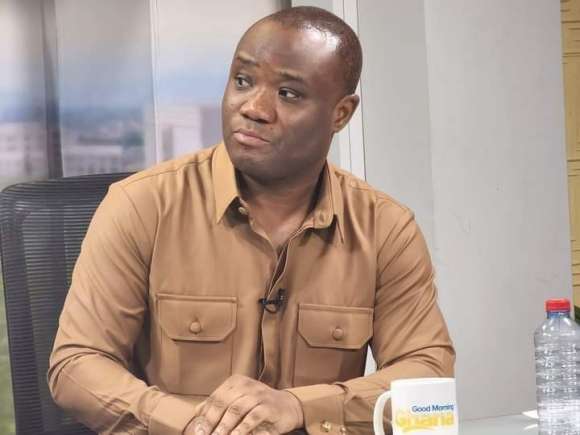
However, the host of Newsfile, who is also a private legal practitioner, Samson Lardy Anyenini, questioned the basis for what he described as selective trust in information about the OSP.
“In your office, who says anything? And had asked Martin Kpebu the same question, why does he seem to believe anything anybody tells him about the office, but he’s unwilling to take what the office tells him? He’s giving you the reason.”
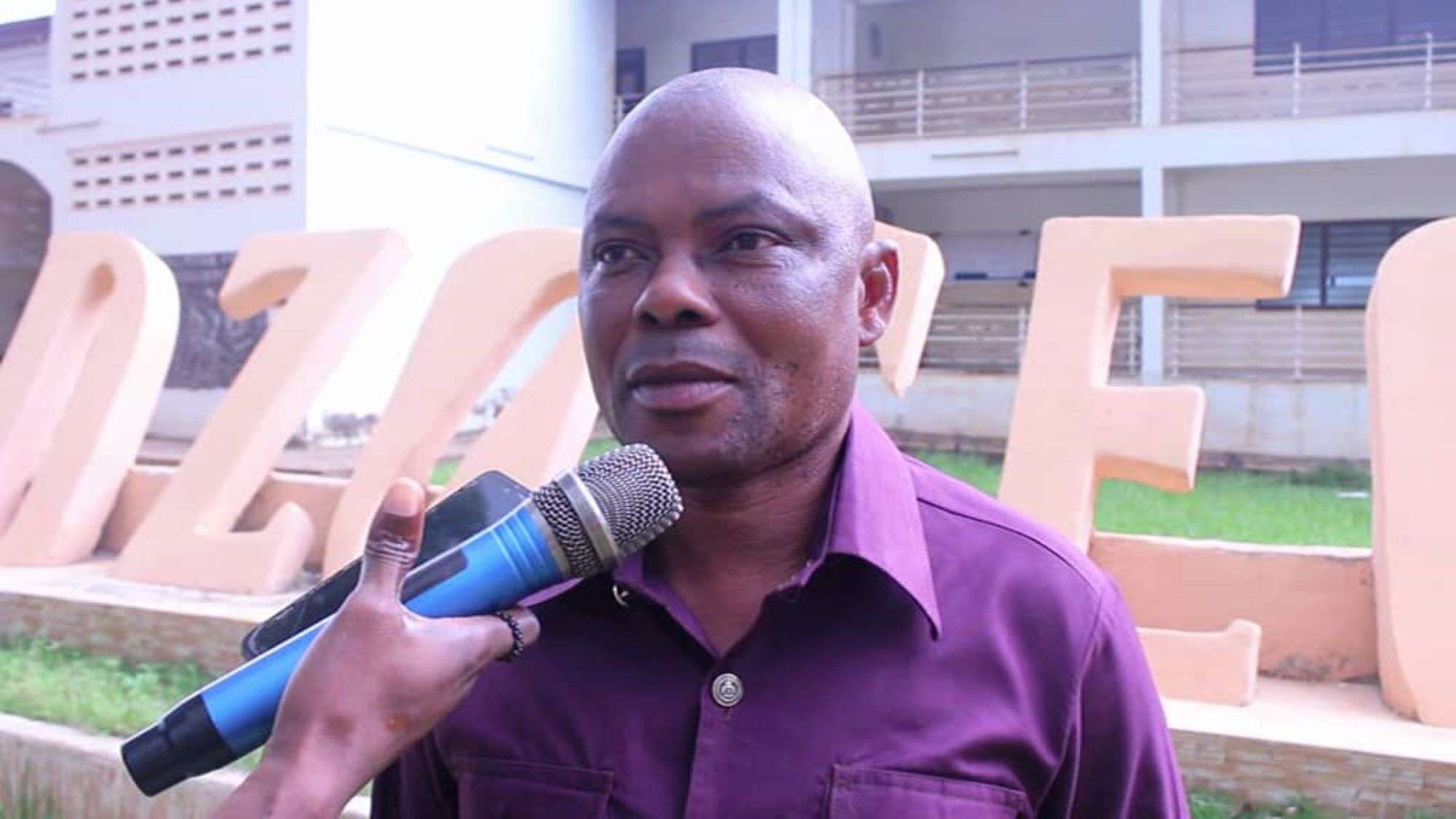
In response, the Director of Research, Communications, and Strategy at the OSP, Mr Sammy Darko, gave further clarification, revealing that investigative journalist Manasseh Azure Awuni had previously raised concerns about the issue on the same WhatsApp platform.
“The first time I had an encounter with Manasseh Azure over this… there is a government WhatsApp group that we are on, and he brought this issue up. He was answered. In fact, as he said, he’s had the opportunity to see firsthand some of the work that we have done. But I’ll take it one by one,” Sammy Darko explained.
However, in what appeared to be damage control after sensing questions would be asked why he, as a journalist and legal practitioner, would be on a platform created by the government and shared with accountability institutions, Mr Samson Anyenini strongly rejected the impression that the group was a tool for state influence.
“Let’s clarify first, it’s not a government WhatsApp group. People may get the wrong impression. It is a WhatsApp group of independent minds, CSO leaders and people like you, because of your offices, the key accountability institutions who are also there. OSP, CHRAJ, Auditor-General. Even the Supreme Court has a representation because we have been given a job to do, which is not influenced by the state,” the host of Newsfile argued.
The purpose of the platform, according to him, is to coordinate contributions to national accountability initiatives, not to control or influence independent actors. However, Samson was not clear about who had given them the “job to do”, or where members of the platform derive their mandate from.
Contradictory explanation
Curiously, Mr Sammy Darko insisted that the group was indeed set up by the government.
“The point I’m making is that the government created it because we are charting a new path on our corruption policy and ethics,” the OSP Communications strategist emphasised.
Instrument of influence
Following the troubling disclosure, many Ghanaians have argued that a WhatsApp group formed and managed through the machinery of the Executive cannot be considered independent.
According to them, once government actors select participants and use it to share privileged information, it ceases to be an innocent forum and becomes an instrument of influence.
What makes it even more disturbing, they noted, is the composition of the group, including representatives of CSOs, journalists, advocacy actors, and surprisingly, officers from CHRAJ, the Auditor-General’s office, the OSP, and the Judiciary.
These are constitutional and civic actors whose legitimacy depends entirely on their independence.
“Their presence in a space where government narratives are shared, and where they are given a job to do, raises serious questions about the erosion of institutional autonomy,” one social media activist posited.
By Kyei Boateng