
The government has announced plans to roll out an electronic road tolling system nationwide by the end of 2026, marking a significant shift from traditional toll collection methods to a more modern, technology-driven approach.
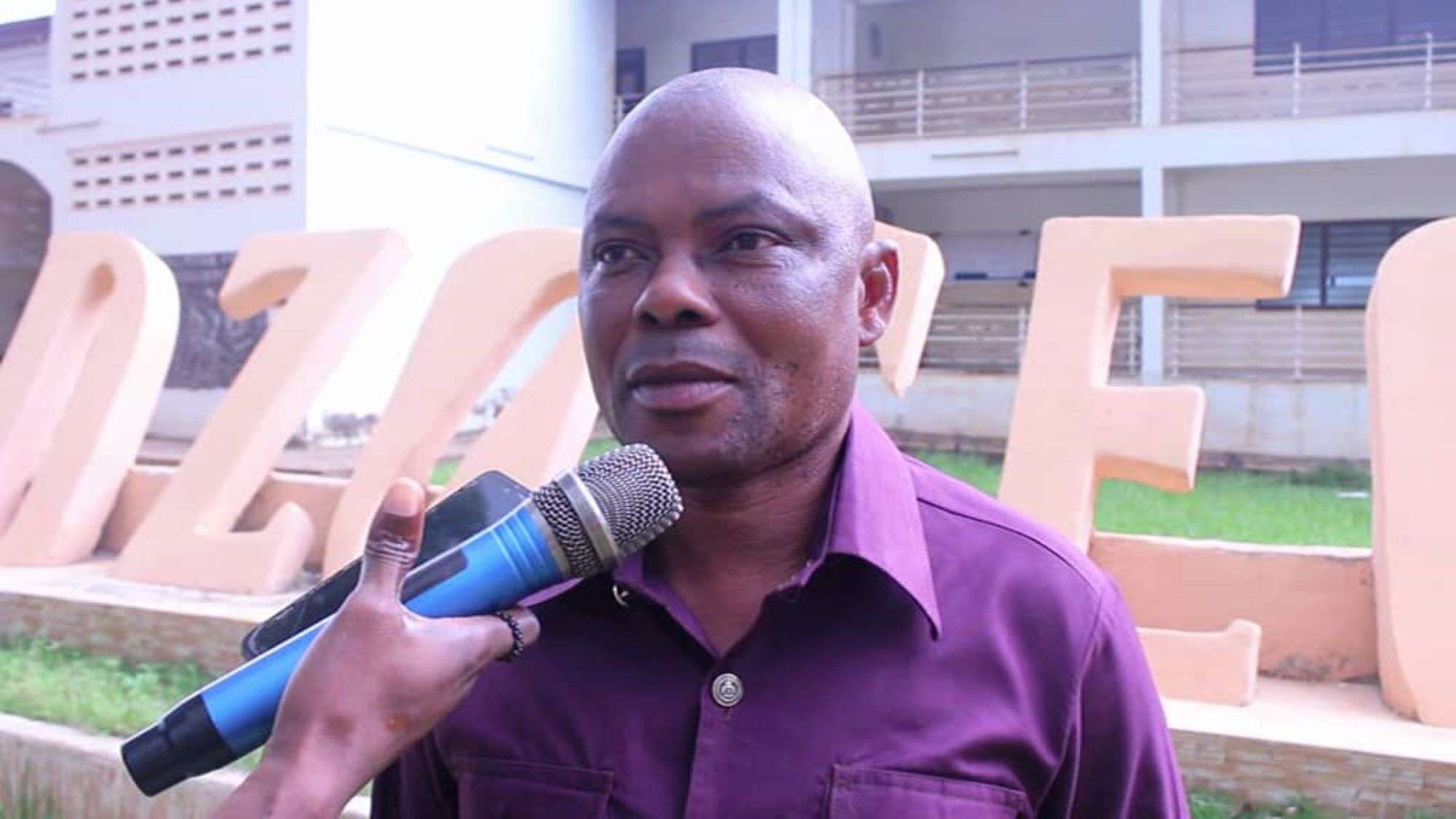
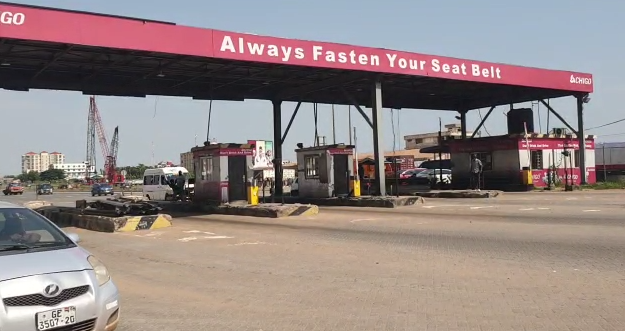
According to Isaac Adjei Mensah, Chairman of the Committee and Member of Parliament for Wassa East, the new system will eliminate the need for physical toll booths and manual cash payments, replacing them with automated digital solutions designed to improve efficiency and reduce congestion on major highways. Motorists are expected to pay tolls through electronic tags, mobile money platforms, or other digital payment channels.
He said the initiative forms part of broader efforts to modernise the country’s transport infrastructure and strengthen revenue mobilisation. By minimising human interaction and reducing cash handling, the system is also expected to curb leakages and enhance transparency in toll operations.
“All feasibility studies and preparatory processes will soon be finalised,” he told the Parliamentary Press Corps, emphasising that the rollout remains on track.
He also pushed back against criticism from the Minority, arguing that they lack the moral authority to question the pace of implementation.
“The Minority has no moral justification to criticise the pace of this policy,” he said.
Adjei Mensah noted that prior to its abolition under the previous administration, road tolls generated about GH¢60 million monthly for the state.
He explained that the removal of tolls created a significant revenue gap, weakening the country’s capacity to fund road maintenance and infrastructure development.
“The abolition of the tolls led to substantial revenue losses,” he said, adding that the reintroduction of tolls in electronic form would help bridge the gap.
The Committee also addressed concerns surrounding road contracts awarded under the government’s ‘Big Push’ infrastructure initiative, clarifying that only 44% of the 400 contracts were awarded through sole sourcing, with the remainder procured through competitive bidding.
Other matters discussed included progress on the Boankra Inland Port project, the Mpakadan Railway System, plans to restructure the Road Fund into a Road Maintenance Trust Fund, and the partial payment of GH¢107 billion in road arrears.
Adjei Mensah said the electronic tolling system would provide a sustainable and transparent mechanism for mobilising funds.
“This system will ensure efficiency in collection while restoring a reliable revenue stream for road infrastructure development,” he said.
He indicated that stakeholder consultations and pilot testing will take place ahead of the full rollout. Officials also assured the public that measures will be implemented to ensure affordability and ease of use for all motorists.
If successfully implemented, the electronic tolling system could position the country among a growing number of nations adopting smart transport solutions to improve mobility and infrastructure financing.