
President John Dramani Mahama has underscored the critical role of environmental sanitation in public health, education, tourism, and economic progress.
He emphasised that the persistent challenges of unsanitary conditions in the country, which have fuelled disease outbreaks such as cholera and malaria, environmental degradation, and economic setbacks.
President Mahama noted that environmental sanitation is fundamental to sustainable socio-economic development and must be treated as a national priority.
“It is therefore incumbent on the government and Ghanaians as a people to address these issues with untiring resolve and collective effort,” he said.
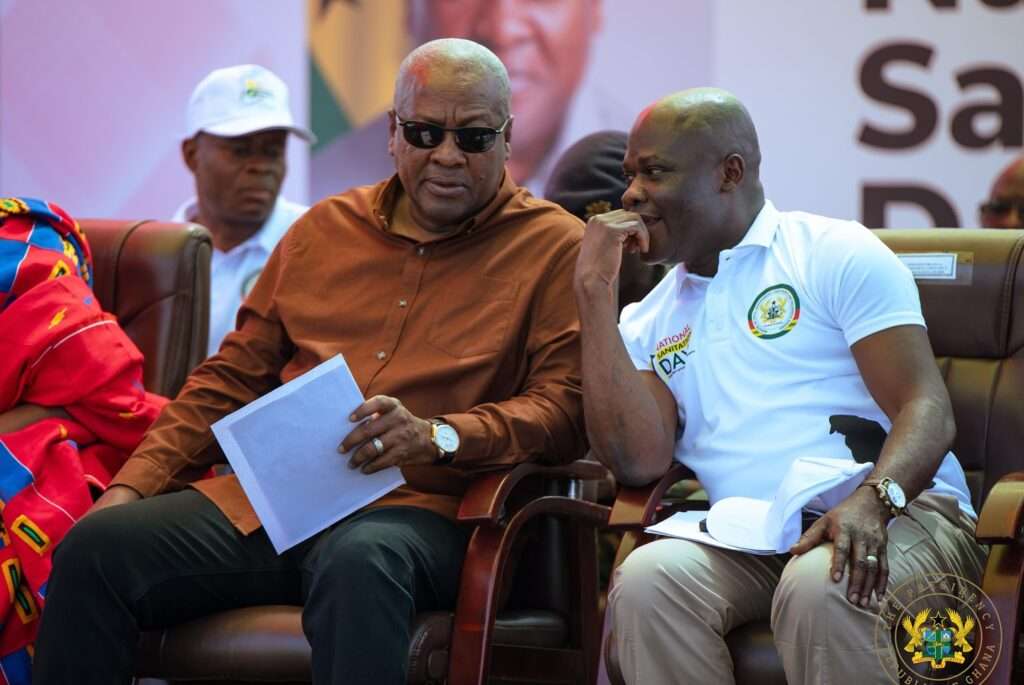
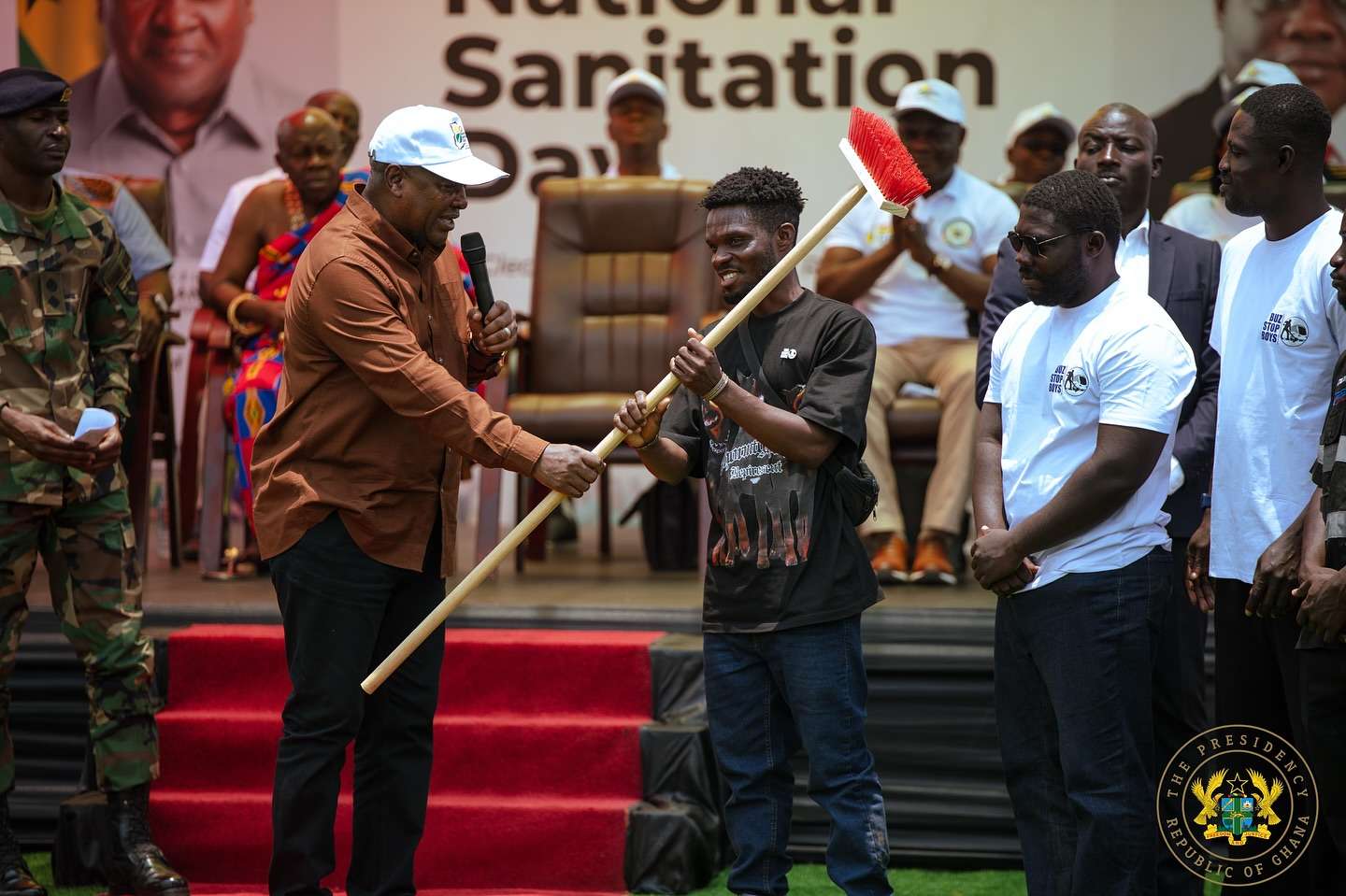
President Mahama stated these when he relaunched government’s National Sanitation Day on Saturday at the Institute of Local Government Studies (ILGS) in Ogbojo-Madina, Accra.
The initiative aimed at combating sanitation challenges and fostering a culture of cleanliness across the nation.
The renewed campaign, part of the ‘Clean Up Ghana agenda, signals unified national efforts to restore cleanliness, enhance public health, and drive sustainable development.
Reflecting on the initiative’s significance, the President underscored its role in tackling long-standing sanitation problems.
He announced a new performance assessment framework for Metropolitan, Municipal, and District Chief Executives (MMDCEs), incorporating stringent sanitation indicators to prioritise environmental services.
Additionally, a “Cleanest City Award” will be instituted to foster healthy competition among districts to maintain clean environments.
The National Sanitation Day, first introduced between 2014 and 2016, demonstrated the power of citizen-led efforts in keeping communities clean. The relaunched exercise will be observed on the first Saturday of every month, with Ghanaians urged to participate in cleaning exercises, desilting gutters, and maintaining public spaces.
“The National Sanitation Day is a call to action; an opportunity for each of us, regardless of our political affiliation, social standing, ethnicity, or religious beliefs, to unite in keeping our surroundings clean,” the President said.
He urged Ghanaians to take ownership of the initiative, emphasising that its success depends on collective effort.
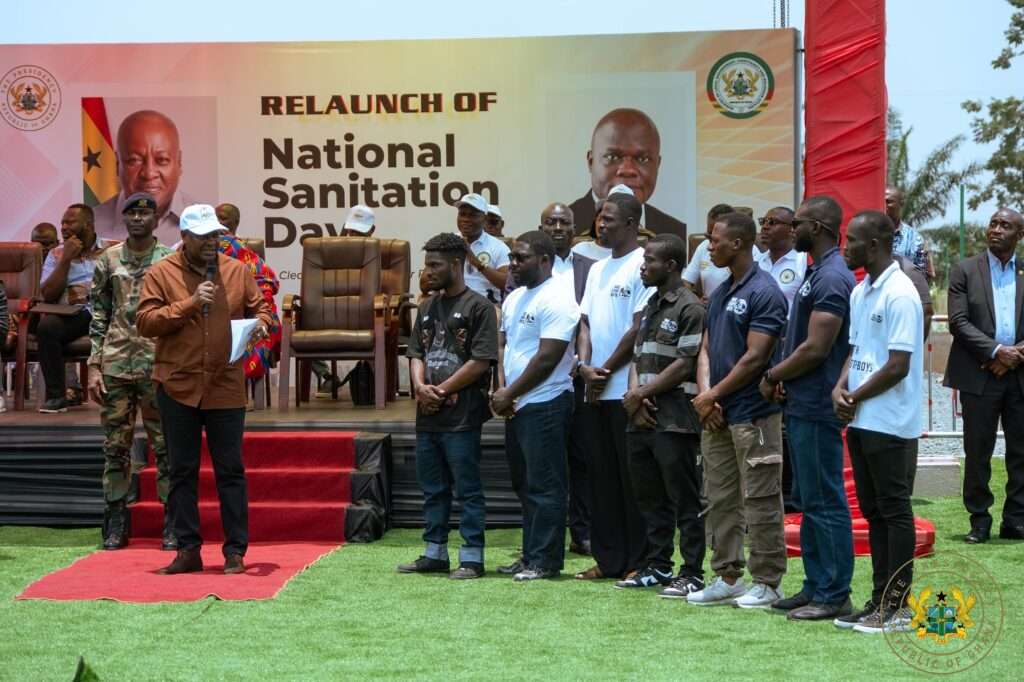
“Let us make the National Sanitation Day a true celebration of our commitment to a cleaner, healthier, and more sustainable Ghana. Together, we can build a nation that future generations will be proud of,” he declared.
Local Government Minister’s emphasis
The Minister for Local Government, Chieftaincy and Religious Affairs, Mr. Ahmed Ibrahim (MP), in his address, emphasised the urgency of addressing sanitation challenges that have led to health crises and economic setbacks.
The government, he said, is rekindling the national movement with the collective aim of restoring cleanliness, discipline, and dignity to communities, cities, and towns.
“It is a bold declaration that we, as a nation, will no longer tolerate the menace of filth, environmental pollution, and disease outbreaks,” he stressed.
The Minister pointed to the devastating consequences of poor sanitation, including cholera, malaria and typhoid outbreaks, as well as flooding and damage to infrastructure.
“From indiscriminate dumping of waste to choked drainage that contribute to perennial flooding to the unsightly hills of waste in our markets, city corners and streets; these challenges threaten not only our public health but our economic growth and very image of our nation,” the Local Government Minister reiterated.
He described the reintroduced initiative as a renewed social contract between government and citizens, built on accountability, enforcement, and sustainability.
Mr. Ahmed directed all Metropolitan, Municipal, and District Assemblies (MMDAs) to ensure that henceforth, all streets, public spaces, ceremonial streets, and visible nuisances within their jurisdiction were cleared by 8 a.m. each day.
According to him, the first six months of the re-launch of the initiative would serve as a performance benchmark during which MMDAs would be required to progressively shorten the timeframe for the removal of the nuisances.
Moreover, he asserted that MMDAs must prioritise among other things, the desilting of drains, removal of waste heaps, regular cleansing of ceremonial routes, markets, lorry parks, schools, public spaces, and the mobilisation and deployment of officials, including environmental health officers to ensure the sustainability of the initiative.
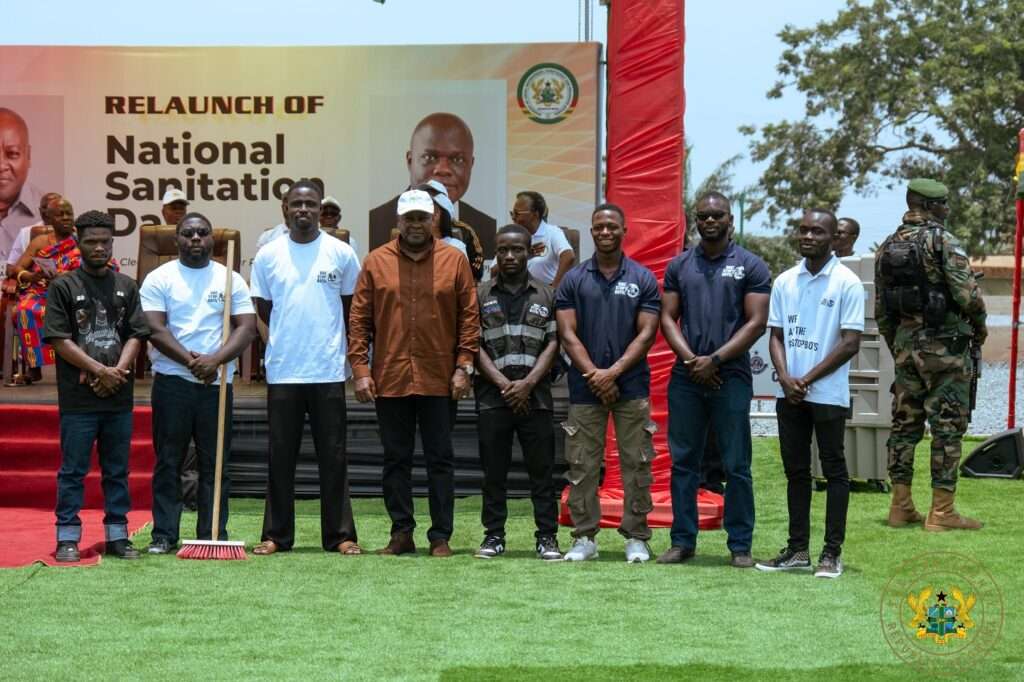
Mr Ahmed emphasised that his Ministry would introduce accountability measures, including the establishment of a dedicated hotline for reporting, a central dashboard to track reports, responses, and performance of MMDAs, and the submission of a monthly report by MMDAs.
The National Sanitation Day will be observed on the first Saturday of every month across Ghana’s 16 regions and 261 districts.
Beyond cleanup exercises, the campaign will promote behavioural change through waste segregation, recycling, and stricter enforcement of sanitation bye-laws.
It aims to improve public health, reduce disease transmission, boost tourism, and align with the Sustainable Development Goals on health, clean water, and sustainable cities.
Mr. Ibrahim also disclosed that the Ministry is introducing innovative measures, including a sanitation hotline for citizens to report nuisances and a central dashboard to track the performance of MMDAs nationwide.