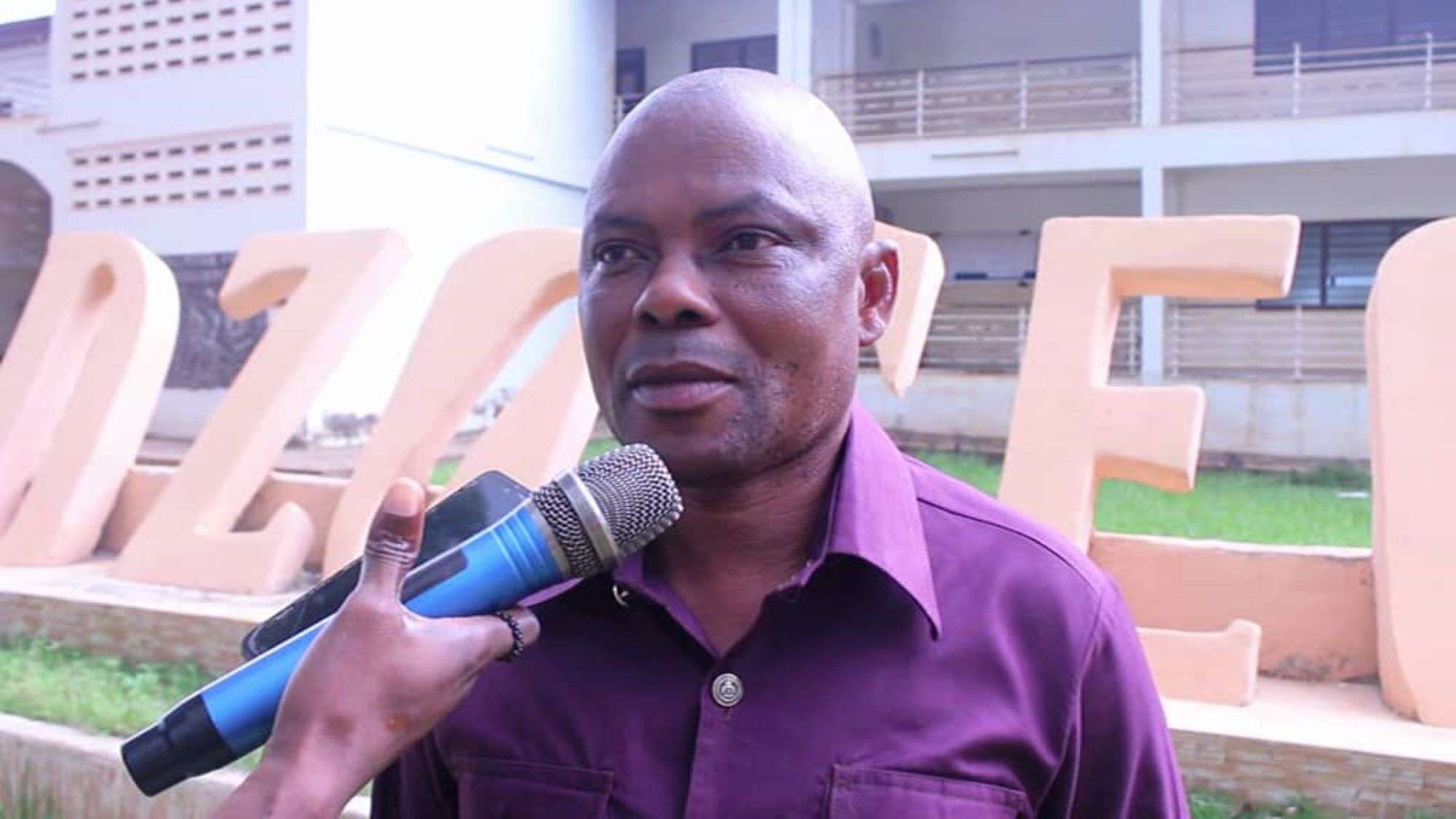


The International Monetary Fund (IMF) Resident Representative in Ghana, Dr Adrian Alter, has revealed that the extension of Ghana’s programme to August 2026 was purely technical.
According to the Resident Representative, the extension was needed to allow more time to complete the final review of the programme, including an assessment of data for the end of 2025 and the end of the first quarter of 2026.
Dr Alter disclosed this on PM Express Business Edition with host George Wiafe.
The Resident Representative also rejected reports that the extension was due to Ghana missing some critical indicative targets under the programme and therefore needing more time to carry out corrective measures.
“The government has made significant progress under the IMF programme, and that should be put on record, and they are on course to complete the programme as scheduled,” Dr Alter added.
He also dismissed suggestions that the IMF unilaterally pushed for the extension, maintaining that, “This was something that was agreed between Ghana and the IMF and was approved by the IMF Board as part of the fifth programme review approval.”
Background
The IMF, in its staff report, announced that Ghana’s Extended Credit Facility programme will be extended by three months, from May to August 2026.
The Fund explained that the extension is needed to allow for the implementation of reforms underpinning the sixth and final review of the programme.
In the report, the IMF noted that “the extension through August 16, 2026, would help reach an understanding on the policies supporting completion of the 6th review, while allowing sufficient time to prepare and circulate Board documents.”
Proposed programme modifications
The IMF is also proposing modifications to Ghana’s programme, including changes to the Indicative Targets and the Monetary Policy Consultation Clause.
The Fund explained that at the end of March 2026, the primary balance and non-oil revenue indicative targets will be modified to accommodate macroeconomic developments while maintaining the fiscal effort relative to GDP.
In addition, the Monetary Policy Consultation Clause bands for December 2025 and March 2026 are expected to be adjusted downward to better reflect the impact of recent macroeconomic developments on expected disinflation trends.
Programme status and risk
Ghana’s 36-month Extended Credit Facility arrangement was approved by the IMF’s Executive Board in May 2023, with access amounting to 303.8 percent of the quota, equivalent to SDR 2.2419 billion, or about US$3 billion.
So far, Ghana has secured about US$2.8 billion following the successful completion of the fifth programme review.
The Resident Representative said Ghana’s programme implementation has been broadly satisfactory, noting that all end-June 2025 performance criteria and indicative targets were met.
Despite the progress made under the programme, he expressed concern about Ghana’s economic outlook.
He noted that “the macroeconomic outlook remains generally positive, though subject to significant downside risks.”
Dr Alter added that these risks mainly stem from potential deterioration in the external environment, particularly commodity price volatility, as well as confidence effects arising from policy and reform slippages.
He also warned that delays in completing Ghana’s comprehensive debt restructuring pose additional risks.
Credit-JoyBusiness