
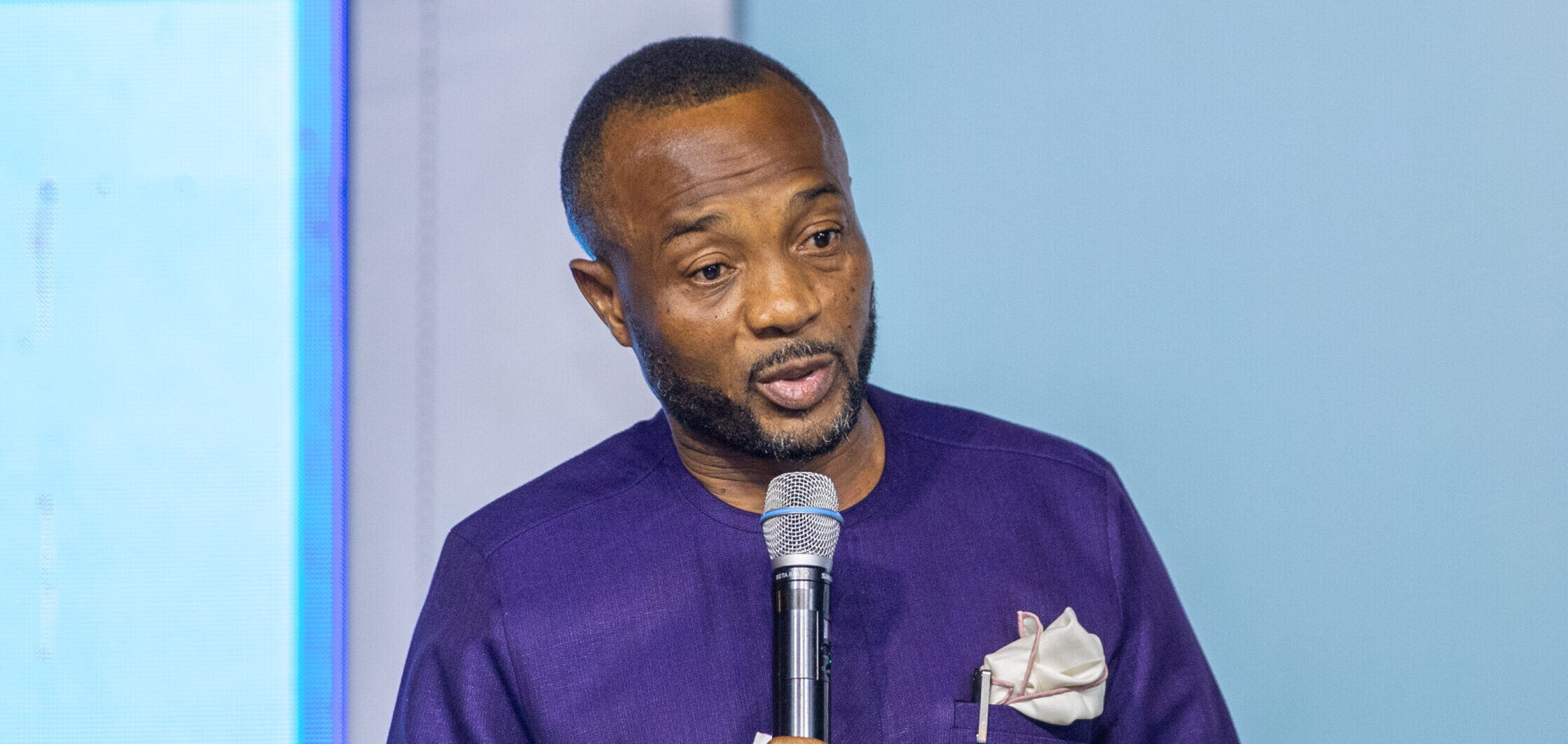
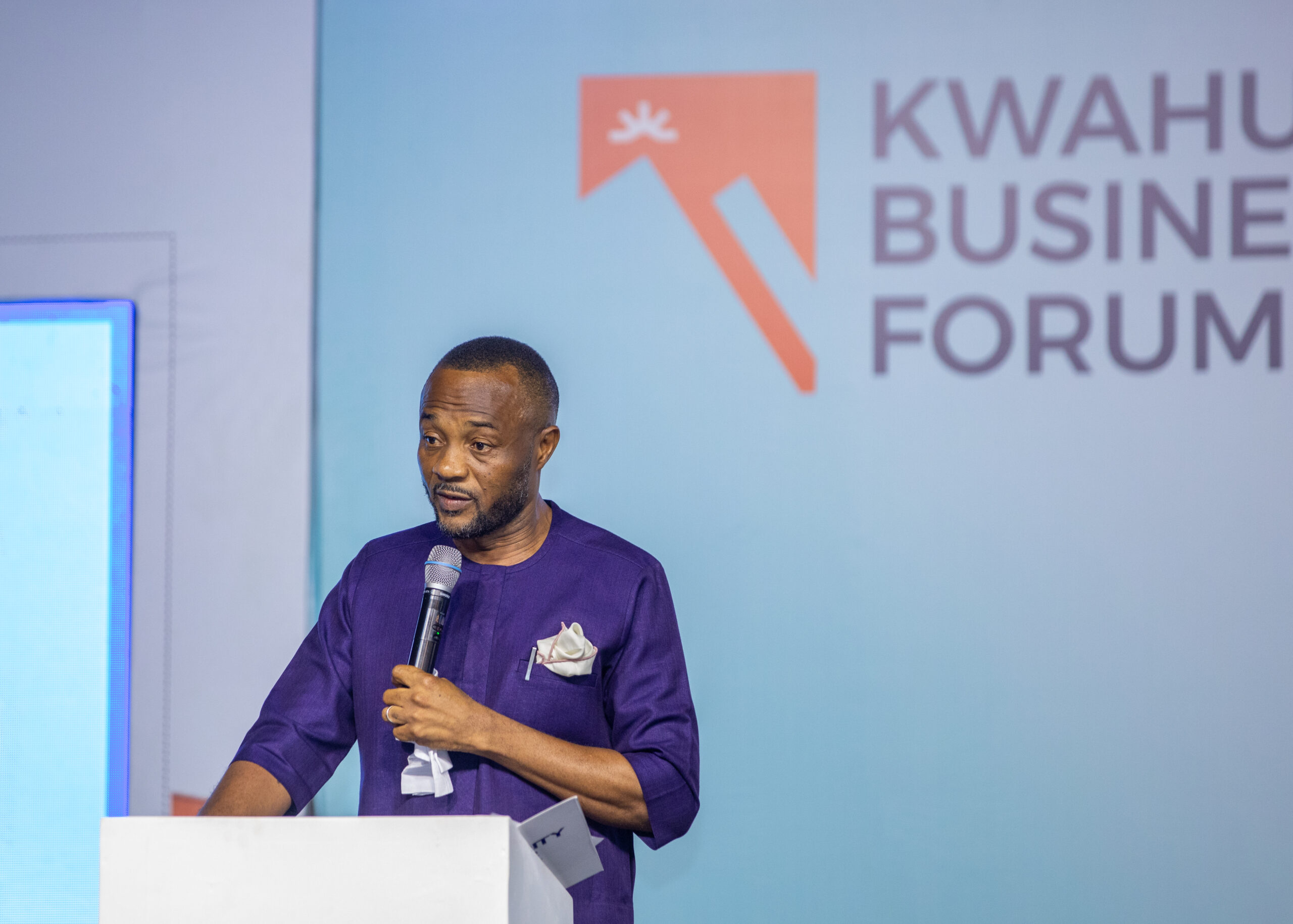
A strong call for sweeping reforms to support Ghanaian businesses dominated proceedings at the 2026 Kwahu Business Forum, as Jerry Ahmed Shaib, Second Deputy Minority Whip, delivered a keynote address on behalf of Minority Leader Alexander Afenyo-Markin.
Speaking on the theme “Leaders Committing to Sustenance of Ghanaian Businesses,” Shaib emphasised the urgent need for political leaders to create a fair, stable, and enabling environment for local enterprises to thrive.
He warned that politicising entrepreneurship continues to undermine indigenous businesses, giving undue advantage to foreign competitors.
According to him, sustaining Ghanaian businesses goes beyond rhetoric and requires deliberate, consistent action to address the structural challenges entrepreneurs face.
Drawing from engagements with key industry groups such as the Ghana Union of Traders Association and the Association of Ghana Industries, he described the current business climate as increasingly difficult.
One of the central concerns raised was limited access to affordable credit. Shaib noted that while benchmark lending rates hover around 10.7%, most small and medium-sized enterprises (SMEs) face significantly higher borrowing costs, compounded by stringent collateral requirements. As a result, a large percentage of businesses fail within their first five years.
He also criticised the high cost of utilities and the cumulative tax burden on manufacturers, arguing that these factors are forcing many companies to operate below capacity. The layering of taxes such as import VAT, levies, and excise duties, he said, has created an unsustainable environment for production and growth.
Another major issue highlighted was the implementation of AI-driven customs assessment systems at the ports. Shaib expressed concern over the lack of transparency and absence of a clear appeals process, which has led to significantly inflated duty assessments for some businesses.
Beyond policy concerns, the Minority Caucus accused the government of failing to adequately consult stakeholders before introducing major economic measures. Shaib described this “consultation deficit” as a systemic problem that has resulted in poorly aligned policies and missed opportunities for growth.
To address these challenges, the Minority outlined a seven-point action plan. Key proposals include enforcing mandatory pre-legislative consultations, reviewing the combined impact of taxes on businesses, scrutinising port assessment systems, and reforming SME financing to provide longer-term, accessible credit.
They also pledged to push for an independent review of utility tariffs, invest in technical and vocational education aligned with industry needs, and establish regular engagements between Parliament and business associations.
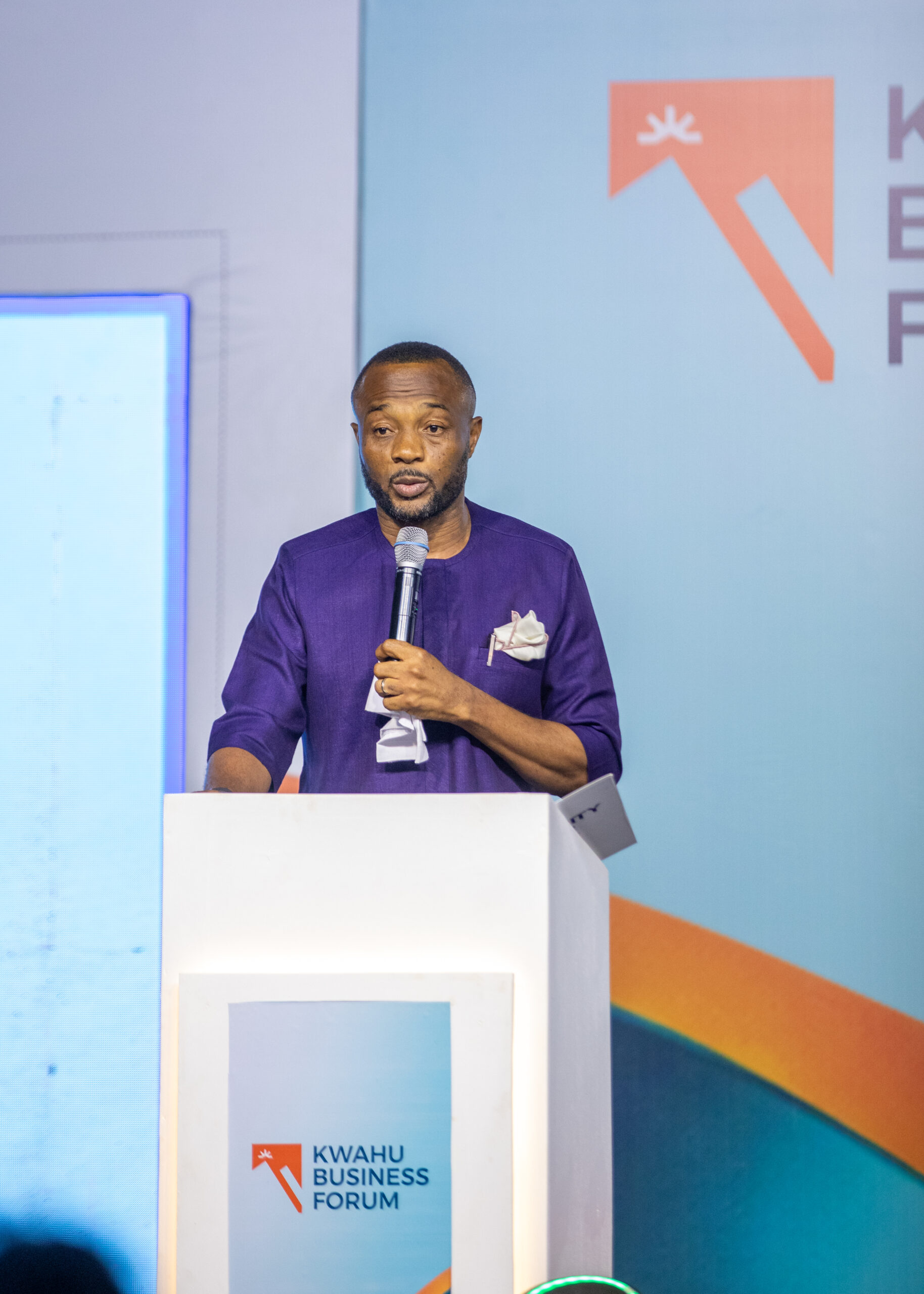
Shaib stressed that national leadership must go beyond parliamentary debate to actively shape an economic environment where businesses can plan, invest, and grow with confidence.
He reaffirmed the Minority’s commitment to advocating for policy stability and predictable legislation.
He concluded by urging entrepreneurs to remain bold and innovative despite current challenges, while calling on the financial sector to play a more proactive role in supporting indigenous enterprises.
The Kwahu Business Forum continues to serve as a critical platform for dialogue between policymakers and the private sector, with this year’s discussions reinforcing the need for sustained collaboration to secure Ghana’s economic future.