
President John Dramani Mahama has voiced concern over escalating hostilities involving the United States, Israel and Iran, warning that the deepening Middle East conflict could have serious economic repercussions for Africa.
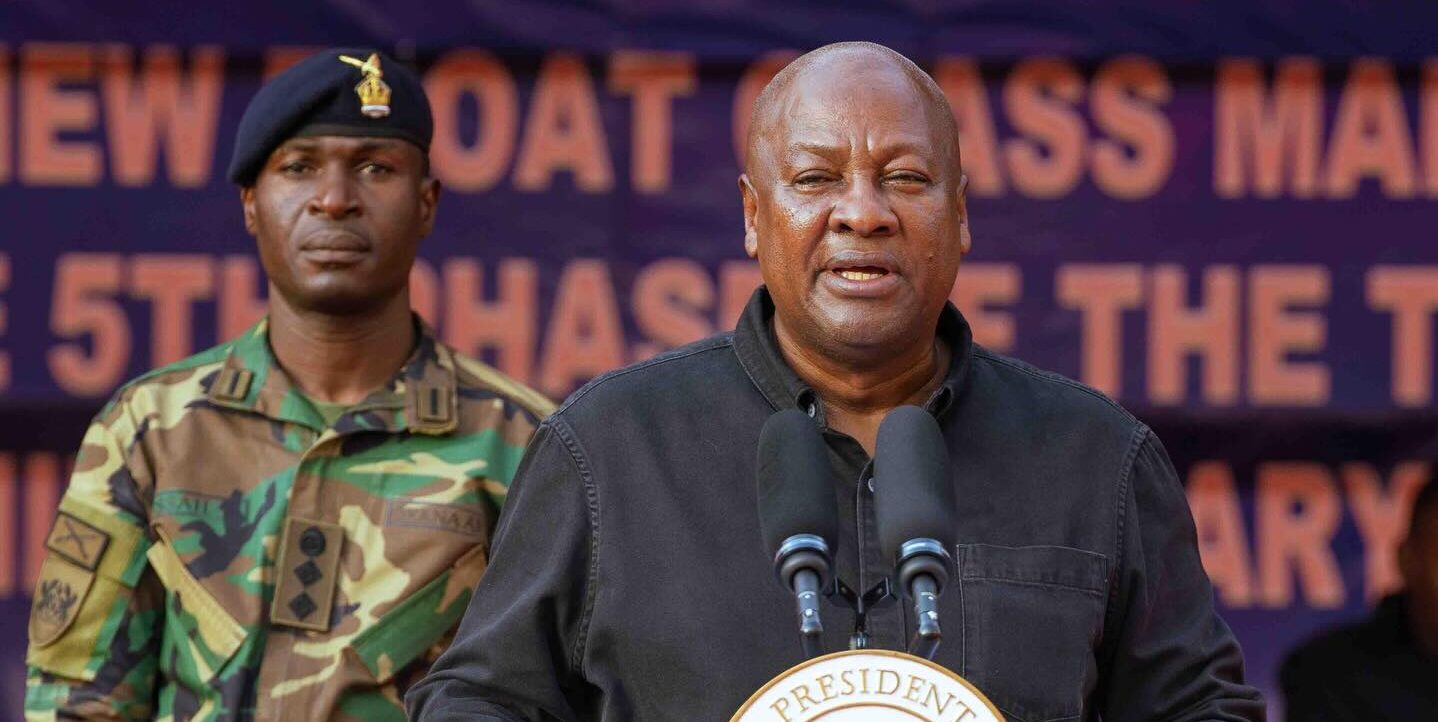
Speaking during a bilateral meeting with Tanzanian President Samia Suluhu Hassan at the State House in Arusha on March 2, 2026, Mahama described the region as the “epicentre of global oil supplies” and said African economies must prepare for inevitable shocks.
He expressed alarm over the intensifying exchanges between the U.S., Israel and Iran, including reported counter-attacks affecting parts of the Gulf.
Mahama noted that rising crude oil prices triggered by the tensions would directly affect African countries, many of which depend heavily on imported petroleum products.
The latest escalation follows months of strained relations between Israel and Iran, largely centred on Iran’s nuclear programme and its alleged backing of armed groups in the region.
The United States, a key ally of Israel, has supported Israeli security operations and strengthened its military presence in the Gulf, citing concerns over regional stability and threats to international shipping routes.
Iran has accused both Israel and the United States of aggression and responded with missile and drone operations targeting strategic interests.
The growing tensions have heightened fears of a wider regional war, particularly around the Strait of Hormuz — a vital shipping corridor through which a significant share of the world’s oil supply passes.
Global crude oil prices have already edged higher amid the uncertainty, with analysts warning that prolonged disruption could further strain energy-importing nations, including many in Africa.