
The Minority in Parliament has issued a strong warning to President John Dramani Mahama over what it describes as a growing pattern of “state capture” in Ghana’s mineral sector, allegedly involving his brother, Ibrahim Mahama.
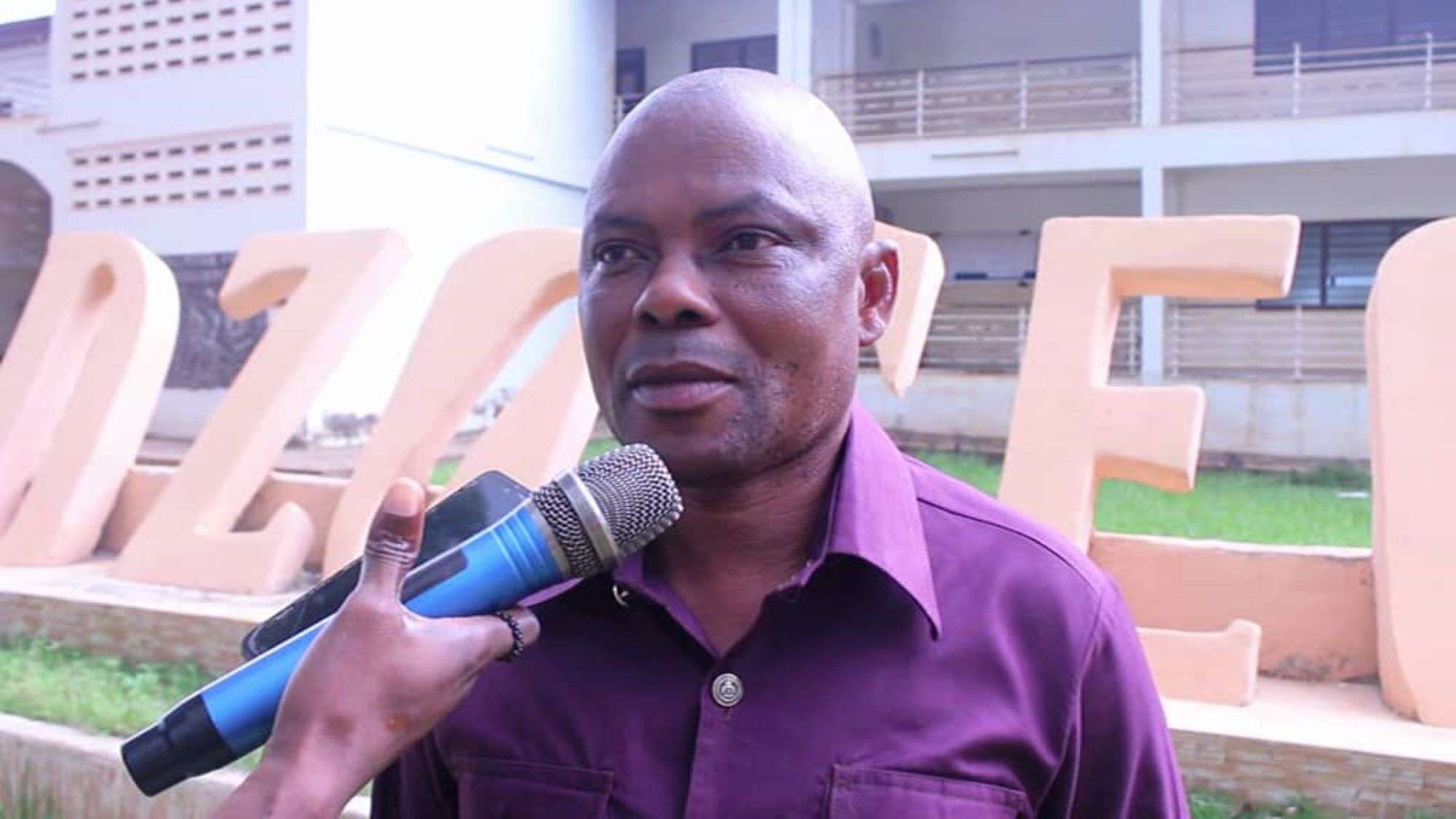
In a detailed statement issued by Kwaku Ampratwum-Sarpong, MP for Mampong, who doubleRanking Member, Committee on Lands And Natural Resources, titled “One Year of State Capture: How Ibrahim Mahama is Running Ghana’s Mineral Sector – A National Caution to President Mahama,” the caucus claims that key decisions and developments in the mining industry point to a dangerous concentration of power and influence.
Concerns over Damang Mine transition
The Minority raised alarm over the imminent transition of the Damang Gold Mine from Gold Fields Ghana to state control, noting that critical details remain undisclosed.
According to the group, Parliament and the public are yet to be informed about the next operator of the mine, the financing structure, or the operational framework guiding the transition. They warn that the lack of transparency has created uncertainty for workers, contractors, and investors.
The caucus argued that inconsistent decisions surrounding the mine’s lease—particularly its non-renewal and subsequent extension—have further undermined confidence in Ghana’s regulatory environment.
Black Volta and Sankofa projects under scrutiny
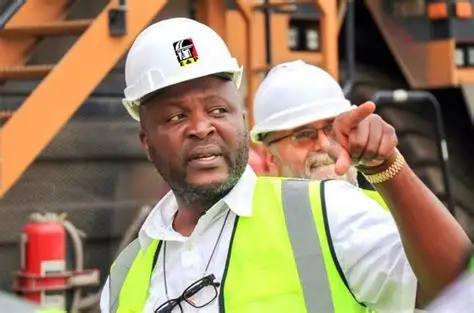
The statement also highlighted the controversial acquisition of the Black Volta and Sankofa Gold Projects by Engineers & Planners, a company owned by Ibrahim Mahama.
The Minority alleged that the takeover was facilitated through access to significant financing from the ECOWAS Bank for Investment and Development, shortly after the current administration assumed office. They further claimed that the transaction may have involved pressure on the previous owners.
While acknowledging that some details remain unverified, the caucus insists the situation raises serious concerns about the use of political influence and state-linked financial power to transfer strategic assets.
Nyinahin bauxite deposits and GIADEC
Attention was also drawn to developments at Nyinahin, home to one of Ghana’s major bauxite reserves, where the Ghana Integrated Aluminium Development Corporation is overseeing operations.
The Minority cited alleged opacity in lease arrangements and decision-making processes, noting what it described as a pattern of limited public disclosure and institutional silence.
Allegations of institutional influence
Beyond specific projects, the caucus expressed concern about what it sees as a broader alignment between key state institutions and Ibrahim Mahama’s business interests.
They pointed to connections between officials in agencies such as GIADEC, the Minerals Commission, the Minerals Income Investment Fund, and the Ghana Gold Board, and past or present associations with Engineers & Planners.
Taken together, the Minority argues, these links suggest a consolidation of influence that undermines accountability and weakens institutional independence.
Impact on investor confidence
The statement warned that these developments could damage Ghana’s reputation as a stable investment destination. According to the caucus, perceptions of political interference and lack of transparency risk deterring both local and foreign investors.
They cited a reported decline in Ghana’s ranking on the global mining investment attractiveness index as evidence of growing concern within the international investment community.
Call for transparency and accountability
The Minority is demanding full disclosure on several fronts, including:
-
The identity of the next operator of the Damang Mine
-
Details of the selection and evaluation process
-
Financing arrangements and transition plans
-
Transactions related to the Black Volta and Sankofa projects
-
Lease decisions concerning Nyinahin
-
Stronger conflict-of-interest safeguards across sector institutions
“These are minimum standards of accountability in a democratic state,” the statement emphasised.
Ghana’s resources must serve all
While reiterating support for local participation in the mining sector, the Minority stressed that such policies must be transparent and competitive, not concentrated around a single individual.
They concluded by warning that Ghana’s mineral wealth must not be controlled by “any family or network,” pledging to push for accountability and potential future reviews of all related transactions.
The government is yet to officially respond to the claims.