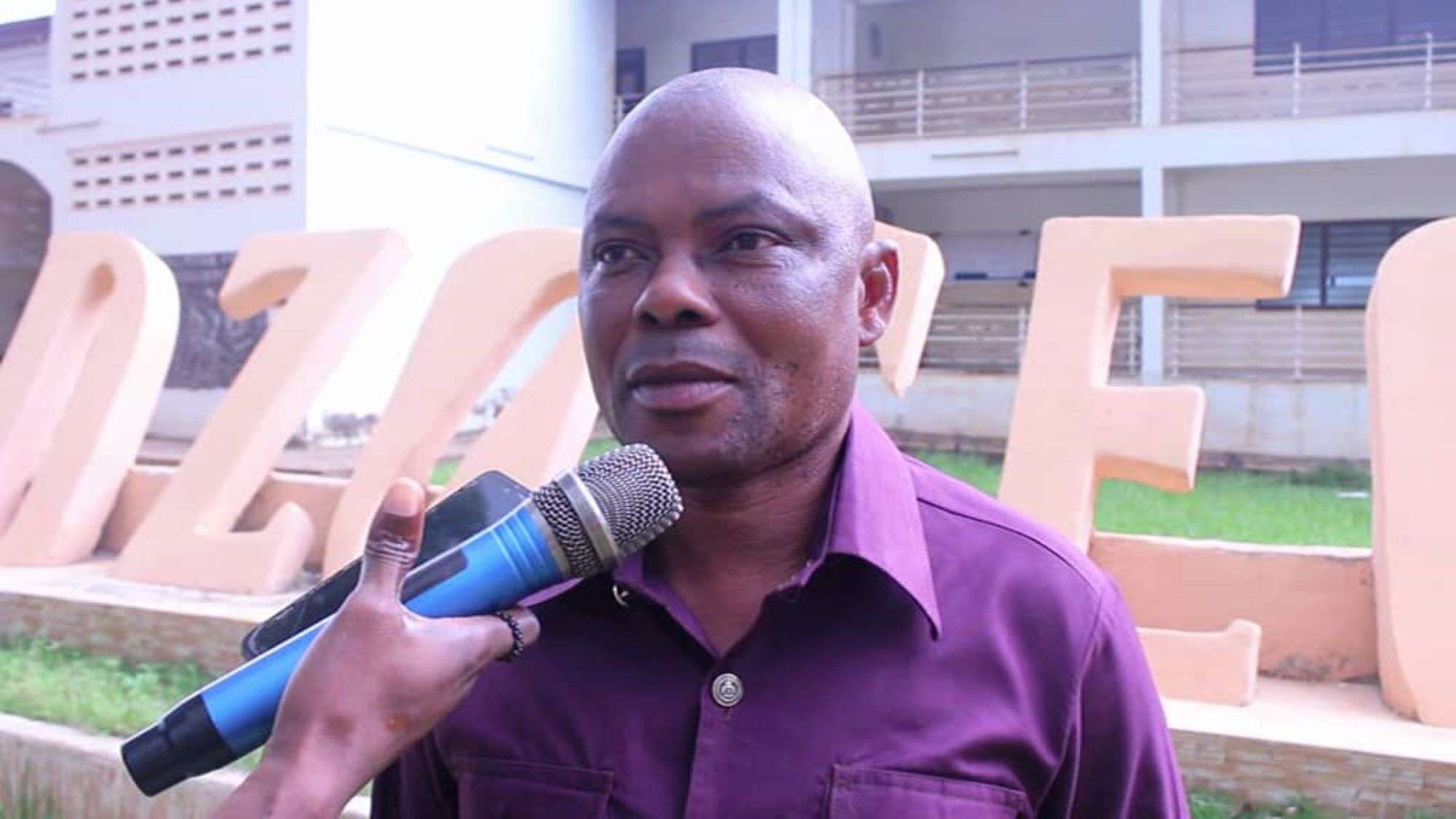


Annoh-Dompreh Frank, Minority Chief Whip and Member of Parliament for Nsawam-Adoagyiri, has called on Ghana to enact legislation criminalising ecocide, describing the issue as an urgent moral, legal, and environmental imperative.
In a statement, Mr. Frank emphasised that ecocide — defined as the mass destruction of ecosystems — is a global concern that demands legal accountability.
He noted that ecocide, according to Stop Ecocide International, involves “unlawful or wanton acts committed with knowledge that there is a substantial likelihood of severe and either widespread or long-term damage to the environment.”
“Mr. Speaker, this is not abstract rhetoric,” he said. “It is about criminal accountability for decisions and actions that destroy the very foundation of life and livelihoods.”
The legal gap
Currently, international law recognises genocide, crimes against humanity, war crimes, and aggression under the Rome Statute of the International Criminal Court.
However, ecocide remains unrecognised as an international crime during peacetime, leaving a legal vacuum that allows corporations, state actors, and individuals to commit environmental destruction with limited liability.
Highlighting examples from across the world, Mr. Frank cited the Nigerian Niger Delta, which suffered over 7,000 oil spills from 1970 to 2000, devastating water, soil, and human health, with full restoration expected to take decades.
Globally, momentum to fill this gap is growing. Eleven countries, including Belgium, Armenia, Belarus, and Ecuador, have criminalised ecocide domestically. In 2023, Belgium became the first European Union country to enshrine ecocide into its penal code. Other nations, including Brazil, India, and Mexico, are advancing legislative proposals.
Why Ghana must act
Mr. Frank outlined several reasons Ghana should prioritise ecocide legislation:
- Ecological Boundary Crossing – Ghana faces severe deforestation, illegal mining (galamsey), and water pollution, with reports indicating up to 60% of water bodies are affected.
- Moral Responsibility – Protecting ecosystems safeguards food security, human health, and sustainable development for future generations.
- International Leadership – Enacting ecocide law positions Ghana as a regional leader in environmental justice, akin to the Democratic Republic of Congo and Belgium.
Recommendations for action
The Minority Chief Whip proposed a multi-pronged legislative approach:
- Pass Domestic Ecocide Law – Define and criminalise ecocide with clear criteria for severity, duration, and impact.
- Align with International Law – Advocate for ecocide’s recognition as the fifth international crime at the International Criminal Court.
- Strengthen Enforcement Mechanisms – Equip environmental agencies and the judiciary with investigative authority and prosecutorial powers.
- Penal Sanctions and Remedies – Ensure deterrent penalties, including custodial sentences, financial penalties, and mandatory environmental restoration.
“Protecting our ecosystems is not optional. It is a fundamental commitment to future generations and to the harmony between economic development and environmental stewardship,” Mr. Frank stated.
He commended the government’s proposal to create a national crime of ecocide as part of the Constitutional Review Committee’s recommendations and urged swift legislative action to safeguard Ghana’s environment and economy for the future.