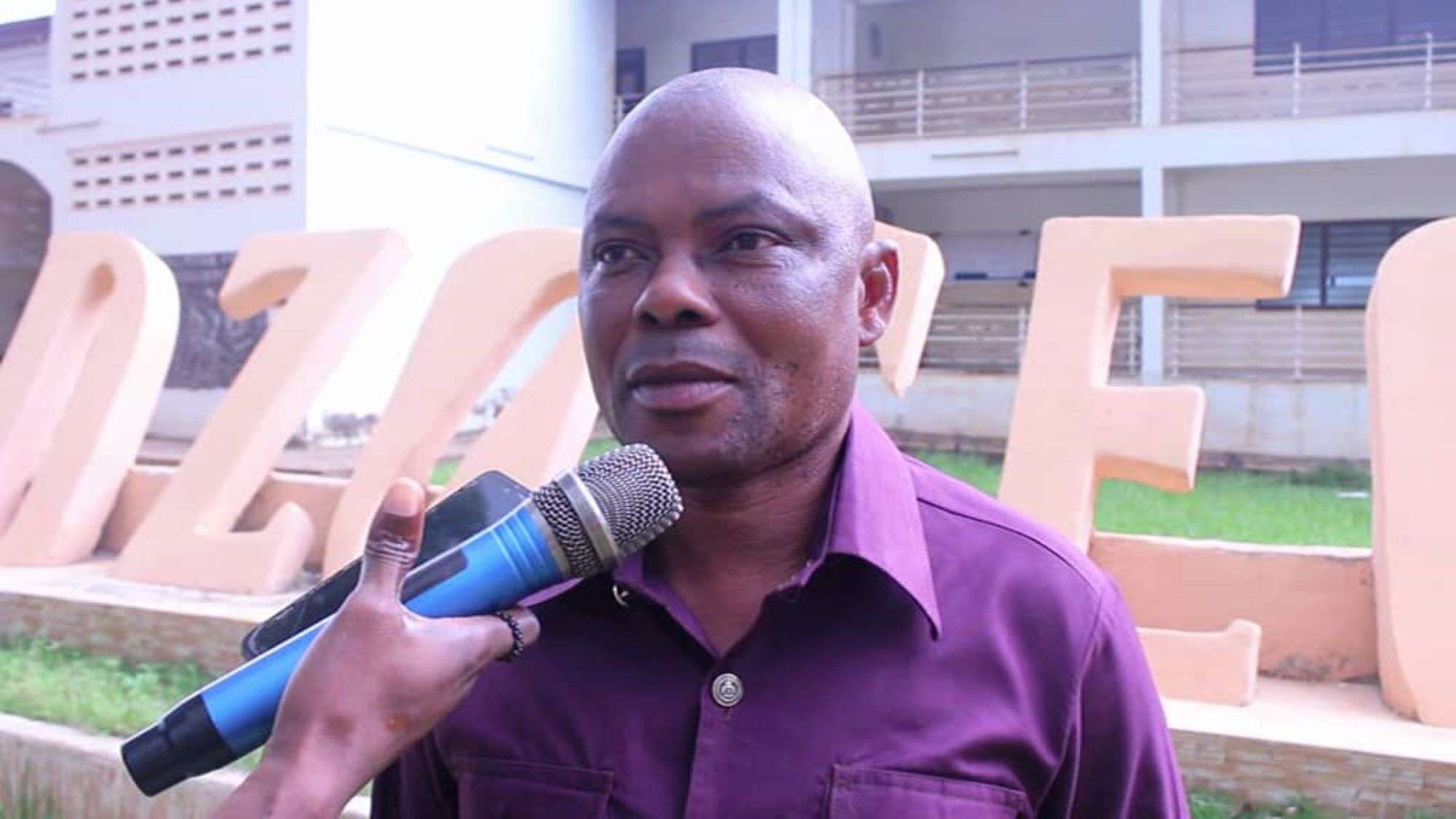

Kennedy Nyarko Osei, the Minority’s Ranking Member of the Roads and Transport Committee of Parliament, has raised concerns over transparency, funding, and project continuity in Ghana’s road, rail, aviation, and maritime sectors.
In his address, Nyarko emphasised that the road and transport sector is a cornerstone of national development, facilitating trade, connecting communities, and supporting industrial activity.
He noted that while the “Big Push” program—a flagship initiative of the current administration—has the potential to improve connectivity, there are serious concerns regarding contract transparency, fiscal commitment, and implementation credibility.
Transparency in the Big Push program
The Minority urges the government to publish details of the 50 road projects under the “Big Push” initiative, including the identities of contractors, scope of work, and cost per kilometer. Nyarko highlighted that established benchmarks for road construction costs exist and should guide public scrutiny to ensure accountability.
“Even after contract awards, they should be advertised. Ghanaians have the right to know how about GH¢50 billion of public funds are being allocated,” he stated.
Abandoned projects and missed opportunities
Nyarko expressed concern over the abandonment of over 80% of ongoing road projects inherited from the previous administration, including eight bypasses along the Accra–Kumasi corridor. He warned that such discontinuity leads to inefficiencies, additional costs, and lost socio-economic benefits.
Railway development at a standstill
The Minority criticised the apparent decline in government commitment to railway infrastructure. Key projects, including the Tema–Mpakadan and Kojokrom–Manso lines, remain idle despite substantial prior investments exceeding USD 1.1 billion.
Complementary facilities essential for full operational value have also been neglected, undermining Ghana’s long-term rail modernization goals.
Road maintenance financing crisis
Nyarko highlighted a financing shortfall at the Ghana Road Maintenance Trust Fund, with approximately GH¢20 billion in arrears and only GH¢1 billion released out of a GH¢5.8 billion allocation.
He called for urgent action to clear arrears, restore contractor confidence, and explore innovative financing mechanisms such as road infrastructure bonds.
Major road projects under scrutiny
The proposed Accra–Kumasi Expressway and the Suame Interchange were cited as projects needing transparency and adherence to original plans.
Nyarko questioned the lack of disclosed costs, compensation plans, and budgetary allocations, stressing that public funds must be used efficiently and in the national interest.
Aviation and maritime concerns
In aviation, delays in implementing Ho Airport’s pilot training academy, the Prempeh I runway extension, and Tamale International Airport’s Phase 3 development were flagged as missed opportunities to maximize existing infrastructure.
Similarly, the Minority raised concerns over disputes between Ghana Airports Company Limited and McDan Aviation, urging constructive resolution to safeguard indigenous investment.
In the maritime sector, failure to operationalise the Ghana Shippers’ Authority Act, 2024 has led to additional surcharges on importers and exporters, undermining regulatory objectives.
Call for accountability
Nyarko concluded by urging the government to provide transparency on project financing, accelerate stalled transport initiatives, and ensure all commitments are backed by implementation plans and budgets.
He emphasised that these interventions are necessary to support economic growth, job creation, and national development.
“Infrastructure development requires long-term planning, stable financing, and consistent implementation across successive administrations,” he said.
The Minority on the Roads and Transport Committee reaffirmed its commitment to constructive oversight and continuous engagement with stakeholders to ensure that Ghana’s transport sector develops sustainably.