
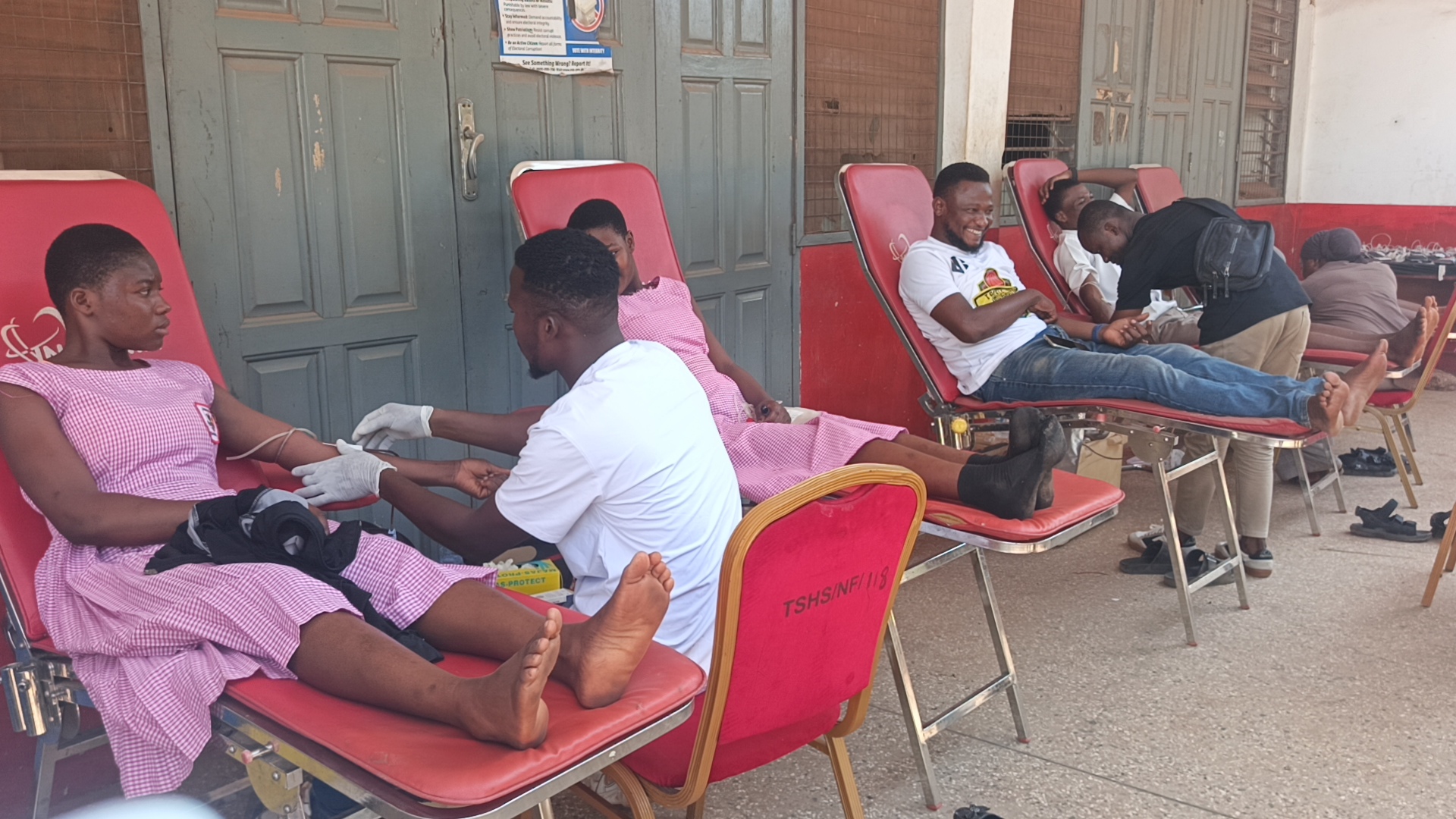
The MTN Ghana Foundation has organised a mass blood donation exercise to support blood banks in the Northern Region. The exercise was carried out at the Tamale Senior High School, the Islamic Senior High School both in Tamale and the Bimbila Senior High School in the Nanumba North Municipality.
The exercise was done as part of the foundation’s Save a Life campaign to mobilize a substantial quantity of blood to support the blood banks in the region. A total number of five hundred and eighty-nine (589) units of blood were collected at the end of the program held on Friday, 13th February, 2026.
The Territory Sales Controller of MTN Ghana in the Northern Region, Richard Asamane, who addressed Journalists, said the intervention has become an annual exercise in support of the National Blood Bank. He noted that the program has yielded a lot of impact in the delivery of healthcare in the country.
He said the most effective way to get blood to supply to the regional blood bank and the healthcare delivery system is through the mass donation exercise and that is what the MTN Foundation seeks to do in the past 15years.
He disclosed that a total of 26,620 units of blood have successfully been collected over the last 15years in support of healthcare delivery nationwide, adding that the Tamale Teaching Hospital, Korle Bu Teaching Hospital, and Ridge hospital are among beneficiaries of the initiative.
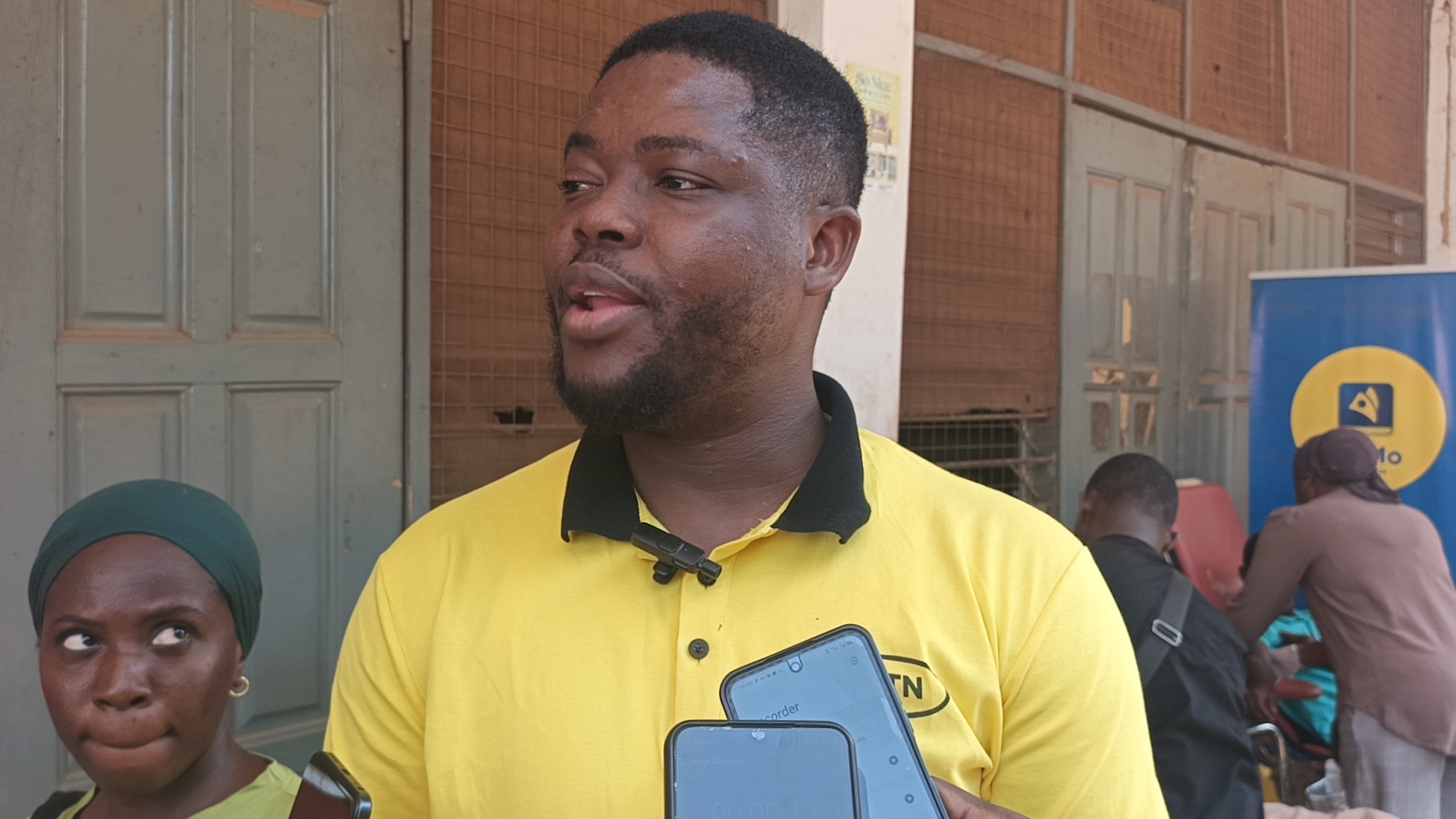
“…To further reiterate that in our region, it comes very timely, especially when we move into Ramadan, when the regional blood bank is in dire need of blood. This exercise has always come in handy and timely to help them navigate that period when they don’t get lots of walk-in blood donors coming to help them,” he said.
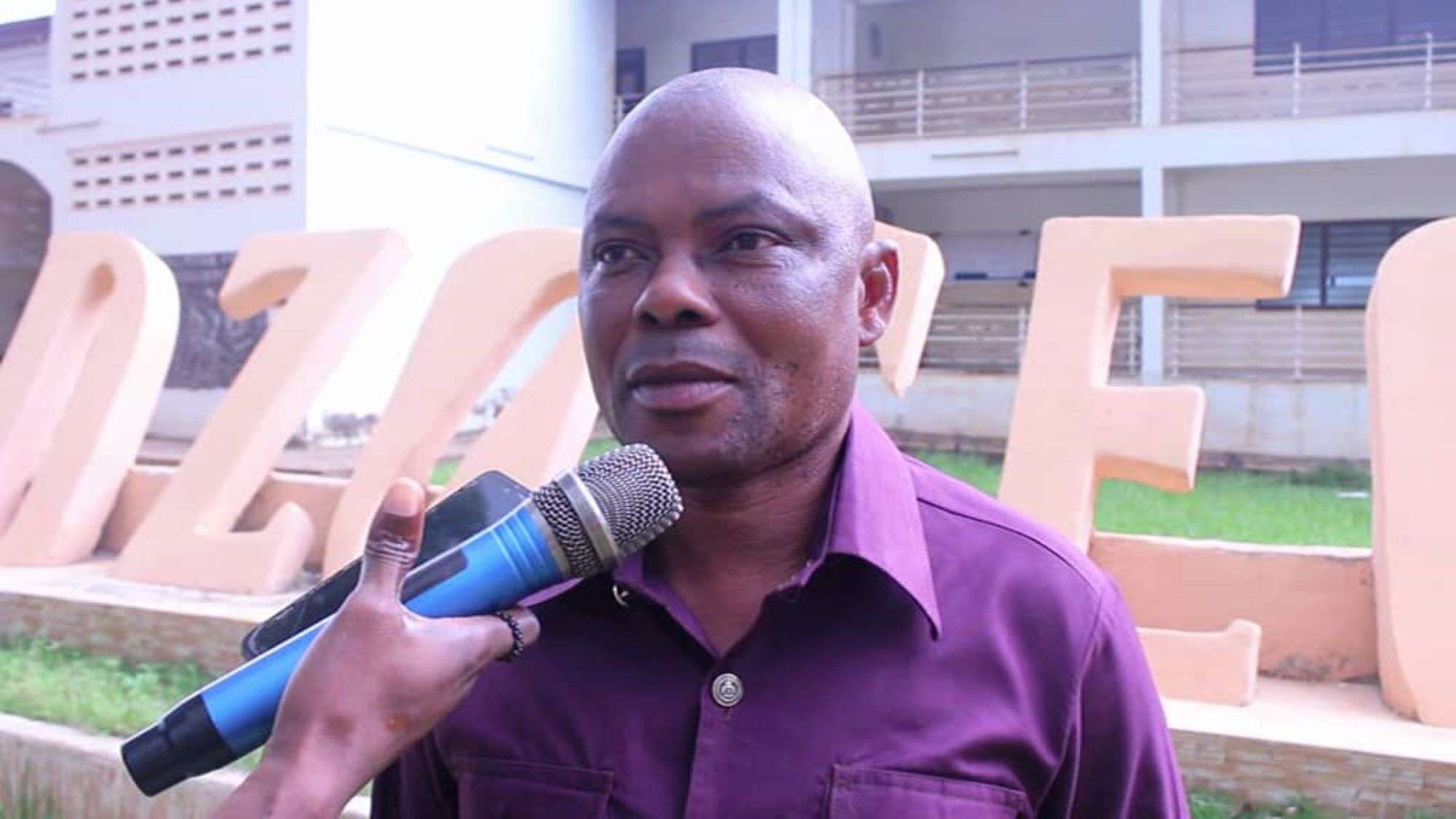
Meanwhile, the Chief blood donor organizer at the Tamale Teaching Hospital, Mr. Ziblim Adam, in a media interview commended MTN Ghana Foundation for the continuous support in organising the mass donation exercise to supply blood to the national blood bank.
He, however, bemoaned that voluntary blood donations in the region remain very low, as the hospital struggles to meet only about 30% of its annual demand.
“The culture of voluntary donation is very poor. In fact, our data shows that we only meet 30% of the demand of the patient,” he emphasised.
Mr. Adam attributed the low voluntary donations to public misconceptions that donated blood was either sold out or used for rituals. He clarified that the facility only charges what he referred to as a processing fee to cover laboratory screening, testing, among others, and further urged the populace to embrace voluntary blood donation to prevent unnecessary loss of lives.