
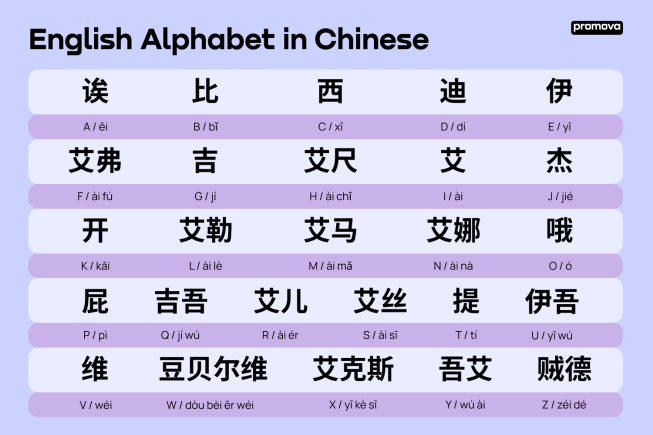
The National Council for Curriculum and Assessment (NaCCA) has launched a Chinese language curriculum for basic, junior high and senior high schools in Ghana, coinciding with the 10th anniversary celebration of the Confucius Institute at the University of Cape Coast (UCC) and the 2025 Chinese Ambassador’s Awards ceremony.
Held under the theme “A Decade of Cultural Exchange and Excellence in Chinese Language Education,” the event brought together education authorities, traditional leaders, diplomats and academics to reflect on a decade of Chinese language education and cultural cooperation in Ghana.
Speaking on behalf of the NaCCA Board Chairman, Prof. Vincent Assanful, the Director-General of NaCCA, Prof. Samuel Ofori Bekoe, described the launch as a landmark moment in Ghana’s educational development and international engagement. He said the occasion marked a transition from celebration to action, aimed at equipping Ghanaian learners with skills needed to compete in a globalised economy.
Prof. Assanful noted that modern literacy now extends beyond proficiency in one’s mother tongue and English, requiring cultural intelligence and multilingual competence. He said NaCCA’s mandate goes beyond regulation to forging strategic partnerships that position Ghana’s workforce for global relevance.
He explained that NaCCA’s decision to formalise Chinese language instruction within the basic education system was informed by China’s growing global economic influence and its role as a key development partner to Ghana. According to him, the curriculum development process relied heavily on the technical and cultural expertise of the Confucius Institute at UCC.
He said months of intensive collaboration resulted in a competency-based curriculum that prioritises communicative proficiency and functional literacy, aligns with Ghanaian values, and is benchmarked against the Hanyu Shuiping Kaoshi (HSK) standards while fitting into Ghana’s Common Core Programme.
Prof. Assanful stressed that the initiative was not merely academic but an economic intervention designed to reduce barriers in trade, diplomacy and technology transfer between Ghana and China. He said the curriculum would help produce professionals capable of working effectively with Chinese partners across various sectors.
He underscored the importance of effective implementation and called on the Confucius Institute to continue supporting teacher training to build a strong pool of Ghanaian instructors. He congratulated the institute on its first decade of operation and reaffirmed NaCCA’s commitment to regulatory support to ensure national impact.
In a speech read on her behalf, the Central Regional Director of Education, Dr. Juliet Dufie Otamie, highlighted education and culture as vital tools in strengthening Ghana-China relations. She described the Confucius Institute as a platform that has expanded opportunities for young people through language skills, cultural understanding and global exposure.
She noted that the teaching of Chinese had transformed learners from having little knowledge of China into confident speakers with a broader global outlook, and encouraged more students to take advantage of such international educational partnerships.
The Ghana Director of the Confucius Institute, Prof. Emmanuel Amo Ofori, traced the institute’s journey from its conception in 2008 to its approval by Hanban in December 2015 and official launch in June 2016. He said the institute, born out of collaboration between UCC, its Chinese partner university and the Chinese Embassy, has evolved into a hub for language instruction, cultural exchange, academic collaboration and community engagement.
According to him, the institute has trained thousands of students, facilitated exchanges between Ghana and China, organised cultural festivals and supported businesses engaging with the Chinese-speaking world. He expressed optimism that the next decade would deepen academic integration, research collaboration and innovation.
The Acting Vice-Chancellor of UCC, Prof. Dennis Worlanyo Aheto, described the anniversary as a moment of pride and reflection on a decade of growth and opportunity. He said the Confucius Institute remains one of the university’s most impactful international partnerships, with about 11,000 students passing through the centre annually.
He added that beyond language instruction, the institute has supported digital transformation and skills development, extended its programmes to basic schools, and created employment and entrepreneurship pathways through initiatives such as career and opportunities fairs.
A panel discussion on training teachers to teach the Chinese language in Ghana featured contributions from Prof. Ishmael Mansah, Prof. Solomon Ofori-Acquah and Prof. Ke Ningli, who advocated stronger teacher training, research, mentorship and institutional support for Chinese language education.
As part of the ceremony, citations were presented to Prof. Aheto and former Vice-Chancellors of UCC – Prof. Dominic Kofi Agyeman Kuupole, Prof. Joseph Ghartey Ampiah and Prof. Johnson Nyarko Boampong – for their leadership. A special citation was awarded to Prof. Kwadwo Opoku Agyemang, the institute’s first director, for his pioneering role.
Awards were also presented to outstanding students, including Mafaatih Wunnam Alidu Cotachi, who emerged as Africa’s champion in a global primary students’ competition. Waku Henaku Otsin placed first runner-up in the national primary school competition and received $400, while Michelle Yeboah Nyamah was second runner-up, earning a $200 cash prize.