
The New Patriotic Party (NPP) has cast doubt on the sustainability of the government’s temporary GH¢2 per litre reduction in diesel prices, describing the intervention as a partial and opaque measure that fails to address the underlying fiscal challenges plaguing the energy sector.
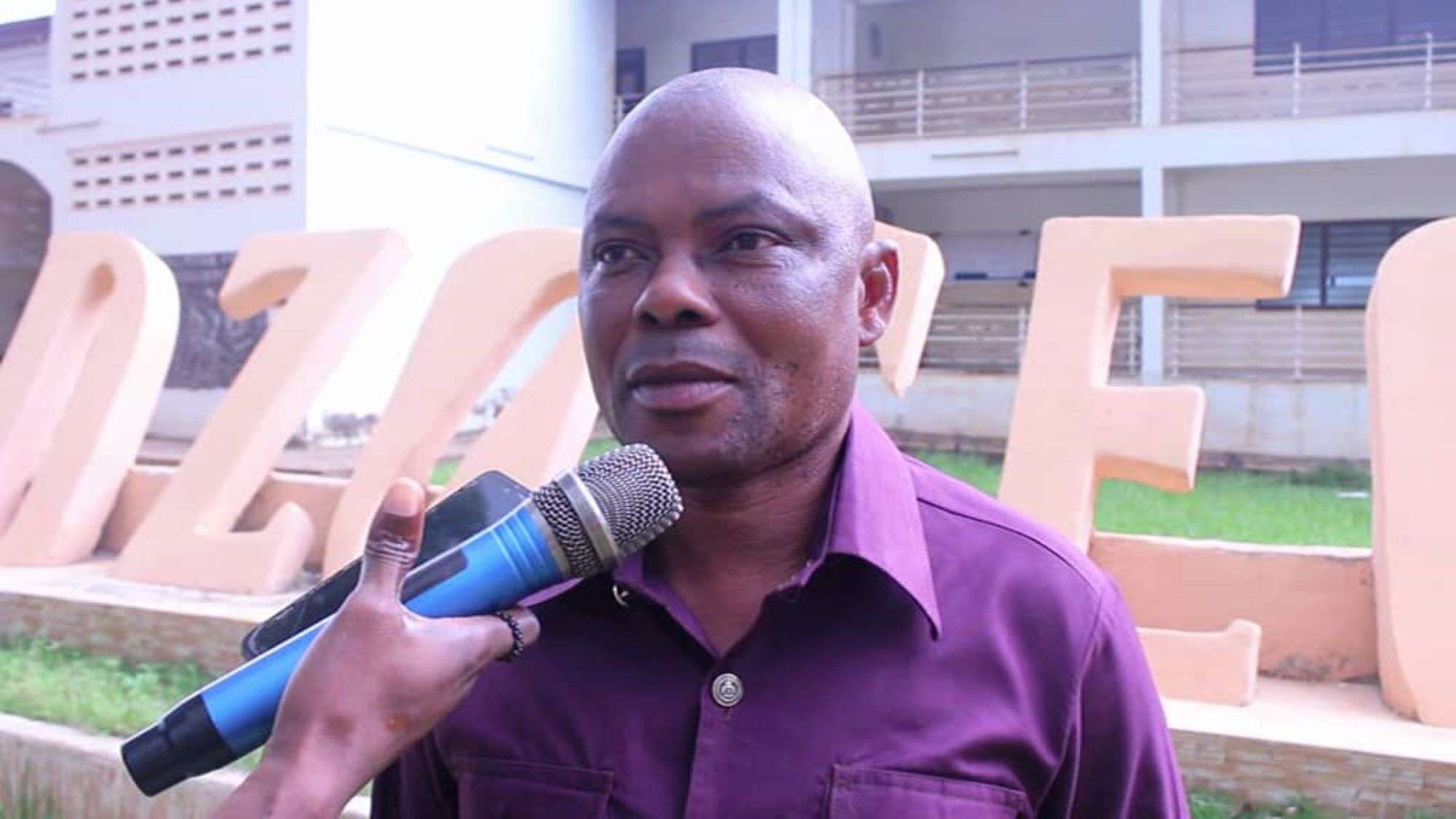
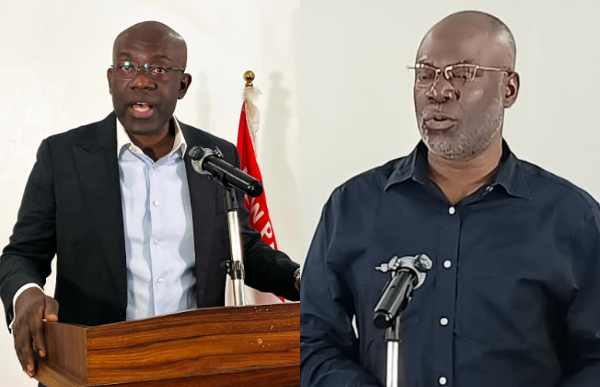
Addressing a press conference at the NPP Headquarters in Accra on Wednesday, 5th August 2026, Mr. Kwame Aboagye, a member of the party’s policy committee, questioned the financing sources of the relief and demanded answers on how the resulting revenue gap would be managed.
Relief Amidst Rising Prices
The government, through a directive from President John Dramani Mahama, announced a GH¢2 reduction in the regulatory margin on diesel effective Tuesday, 4th August 2026, for an initial period of one month. The intervention followed a surge in pump prices, with GOIL, for instance, selling diesel at GH¢19.26 per litre and petrol at GH¢15.99 on 10th August 2026.
While acknowledging the hardship imposed on Ghanaians by high fuel prices, Mr. Aboagye argued that the relief is insufficient. He noted that even with the reduction, diesel prices remain significantly higher than they were in January 2025, when diesel sold at approximately GH¢15.49 per litre. “Even if the full two cedis reduction is passed through to the pump, diesel will still stand about 11.4% above its January 2025 level,” he stated.
The Arithmetic of the Levy
The NPP official drew attention to the Energy Sector Levies (Amendment) Bill, 2025, which was passed under a certificate of urgency in June 2025, imposing an additional GH¢1 levy on every litre of petroleum products. The levy was expected to generate GH¢5.7 billion annually to retire energy sector debt.
Mr. Aboagye highlighted the contradiction: “A consumer who has paid one cedi extra on every litre of petrol and diesel for more than a year now receives at best two cedis back on diesel for a single month, and nothing at all on petrol.” He described the reduction as “a partial, temporary return to money already taken from consumers at midnight.”
Fiscal Concerns and Unanswered Questions
The NPP further questioned the fiscal discipline behind the intervention, pointing to a recent downgrade of Ghana’s Energy Sector Recovery Programme by the World Bank from “Moderately Satisfactory” to “Unsatisfactory”. The Bank cited stalled reforms, delayed procurement, and weak governance.
“The GHs 2.00 reduction may ease the pressure for a month, but a one-month discount financed opaquely alongside a permanent levy and a downgraded energy sector is not an economic strategy,” Mr. Aboagye asserted.
He posed a series of questions to the government, including:
- Which specific margins, levies, or taxes are being reduced to finance the relief, and what is the total revenue loss?
- Has this been provided for in the 2026 budget, and what expenditure will be cut to offset it?
- Will the one cedi per litre levy remain at its full rate during the relief period?
NPP’s Alternative Proposal
The NPP proposed a transparent, rules-based shock response framework with published price buildups, disclosed fiscal caps, and targeted relief for public transport, agriculture, and fishing. The party also called for an automatic sunset clause with objective triggers based on crude prices and exchange rates.
“Ghanaians deserve to know who pays, how the relief is financed, and how the resulting revenue gap will be prevented from becoming new debt,” Mr. Aboagyr concluded.
Parliamentary Action
The NPP indicated that its Members of Parliament would demand urgent answers in Parliament, while its policy committee would track and publish monthly collections of energy sector levies and refunds paid to industry.
By Kingsley Asiedu