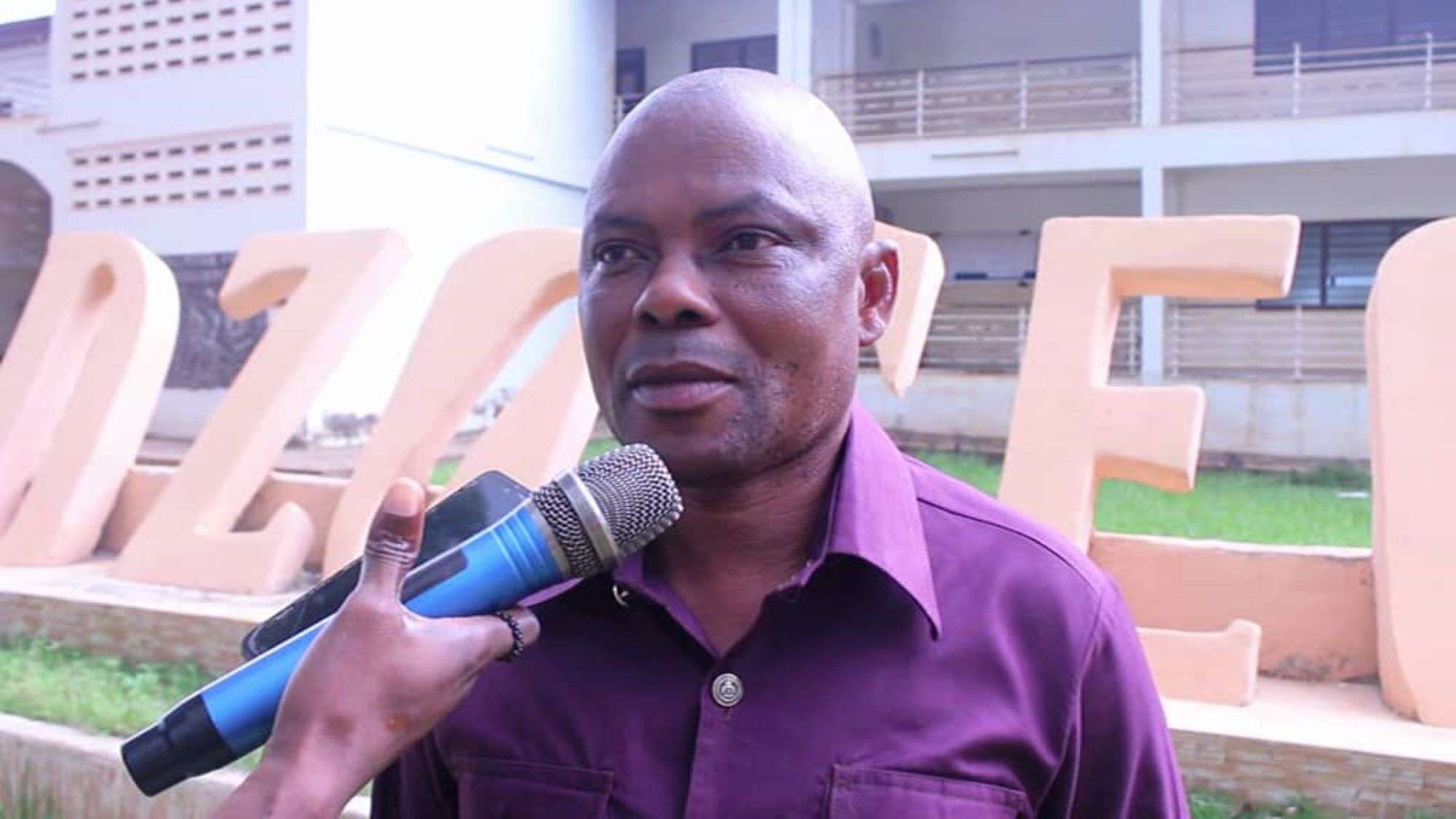


The Member of Parliament for Ofoase-Ayirebi and Ranking Member of Parliament on the Economy and Development Committee, Kojo Oppong Nkrumah, has challenged the government to account for the estimated GH¢650 billion in public funds it has received over its first two years in office before introducing a new economic programme expected to require approximately US$10 billion.
Mr Oppong Nkrumah argued that the government must first demonstrate measurable results from the economic programmes it presented to Ghanaians ahead of the 2024 general elections, insisting that taxpayers deserve a comprehensive account of the resources allocated to those initiatives before additional financial commitments are made.
According to the opposition MP, the decision by President John Dramani Mahama and Finance Minister Dr Cassiel Ato Forson to begin promoting what they describe as a “New Economy” raises important questions about the status of the administration’s original economic promises, the amount of money spent implementing them and the results achieved so far.
He said the proposed US$10 billion investment, equivalent to more than GH¢110 billion based on the estimate cited in his remarks, should not become another major spending commitment without a transparent assessment of the programmes already announced.
Mr Oppong Nkrumah made the argument in his capacity as a member of the Minority side of Parliament’s Economy and Development Committee, stressing that the debate should focus first on accountability rather than allowing the government to shift public attention towards a new economic agenda.
The MP said the government had campaigned on a series of policies intended to create employment, expand domestic production, improve access to finance and reduce the dependence on imported goods. However, he questioned why the administration was now preparing to introduce another economic framework when Parliament had not yet completed consideration of the original programme and, in his view, the government had not adequately accounted for its implementation.
Government’s Original Economic Promises Under Scrutiny
Mr Oppong Nkrumah said the concerns surrounding the New Economy stemmed from promises made by President Mahama and Dr Forson when they were candidates seeking the mandate of the Ghanaian electorate.
He recalled that the NDC presented several flagship initiatives as central to its plan to transform the economy, create jobs and improve living conditions.
Among them was the 24-Hour Economy Programme, which was promoted as a strategy to encourage businesses and industries to operate across multiple shifts, thereby increasing production and creating employment opportunities.
According to Mr Oppong Nkrumah, the programme was explained through the concept of “1-3-3-3”, under which a business would organise work into three shifts to support continuous operations.
The initiative was presented as a major intervention to tackle unemployment while enabling businesses to increase output and make better use of existing facilities.
However, the Ofoase-Ayirebi MP said the government must provide a clear account of the jobs created through the programme and demonstrate how its implementation has translated into tangible benefits for the population.
He argued that the country needed more than announcements about businesses operating around the clock, insisting that government should identify the jobs created and provide evidence that the employment figures being reported can be independently verified.
Nkoko Nkitinkiti and Poultry Production
The MP also questioned the progress of the government’s poultry intervention, known as Nkoko Nkitinkiti, which was introduced under the broader Feed Ghana agenda.
The programme was intended to encourage poultry production, create jobs and reduce Ghana’s dependence on imported chicken.
Mr Oppong Nkrumah said the initiative formed part of the economic commitments on which the NDC sought public support during the 2024 elections.
He argued that the government should provide evidence of how many beneficiaries have received support, how many have remained actively engaged in poultry production and how much the programme has contributed towards reducing poultry imports.
He maintained that the public needs to know whether the resources committed to the initiative have delivered the intended results.
The MP’s criticism forms part of his broader demand for an assessment of the government’s existing economic programmes before additional commitments are introduced.
He said the administration should not move from one major initiative to another without explaining the outcomes of the previous programmes and accounting for the resources allocated to them.
One Million Coders Programme Raises Further Questions
Mr Oppong Nkrumah also highlighted the One Million Coders Programme, which was announced as an initiative to train young Ghanaians in coding and related digital skills.
The programme was intended to provide opportunities for young people to acquire technology-related skills and improve their prospects of finding employment in the digital economy.
According to the MP, the initiative was presented as one of the government’s major responses to youth unemployment.
He, however, questioned how much progress had been made towards achieving the programme’s objectives and how many young people had successfully transitioned from training into employment.
He argued that the government must provide a comprehensive account of the programme, including the number of beneficiaries trained, the resources spent and the employment opportunities created.
He said such information would help Parliament and the public determine whether the initiative is achieving the objectives for which it was introduced.
Women’s Development Bank Yet to Be Fully Accounted For
The proposed Women’s Development Bank was another programme cited by Mr Oppong Nkrumah as requiring a comprehensive account.
The initiative was presented as a mechanism for improving women’s access to credit and supporting businesses across the country.
It was expected to help women entrepreneurs, traders and other small-scale operators obtain financing to expand their activities, increase incomes and contribute to economic growth.
Mr Oppong Nkrumah questioned the progress made towards delivering the programme and demanded clarity on how many women had received loans through the initiative.
He argued that the government should provide information about the resources committed to the bank, its operational status and the number of women who have benefited from its intended lending arrangements.
The MP said the government must demonstrate that its promises are translating into practical economic support for the people they were designed to assist.
He maintained that women who were promised access to affordable financing deserve to know when the programme will become fully operational and how they will access its facilities.
GH¢650 Billion in Public Resources Must Be Accounted For
He said Parliament had approved the budgets to enable the administration to implement its policies and programmes, including those announced during the election campaign.
The MP therefore believes that government must account for how the money has been deployed and what outcomes have been achieved before asking Parliament and the public to support another major economic initiative.
He argued that the government should provide a detailed breakdown of expenditure on its flagship programmes, together with evidence of the jobs created, businesses supported and beneficiaries reached.
He also wants the administration to explain how the resources allocated to the 24-Hour Economy, Nkoko Nkitinkiti, the One Million Coders Programme, the Women’s Development Bank and other economic initiatives have been used.
According to him, such an assessment would allow Parliament to evaluate the government’s performance against its original commitments and determine whether the programmes require adjustments, additional resources or more effective implementation.
Mr Oppong Nkrumah insisted that accountability must precede any discussion about committing further public resources to a new economic framework.
Parliament Yet to Debate Original Economic Programme
The MP further raised concerns about the status of the government’s original economic programme in Parliament.
He claimed that although the programme had been laid before Parliament, it had yet to be brought to the floor for substantive debate and adoption.
He questioned why the government was already promoting a new economic framework when the original programme had not completed the parliamentary process he says is necessary for scrutiny.
According to Mr Oppong Nkrumah, Parliament should first have the opportunity to examine the original programme, assess its objectives and establish the commitments the government is expected to fulfil.
He argued that the process would enable lawmakers to evaluate the programme against the resources already approved and hold the government accountable for its performance.
The MP said the introduction of another economic programme before that exercise is completed risks diverting attention from the original promises made to the electorate.
He maintained that the government must focus on the programme on which it campaigned and provide a clear account of its implementation before asking Ghanaians to embrace another initiative.
New Economy Expected To Require US$10 Billion
The government’s proposed New Economy has become a source of concern for Mr Oppong Nkrumah because of the scale of funding expected to be required.
According to his remarks, the President and Finance Minister have indicated that approximately US$10 billion would be needed to roll out the programme, which they say will create jobs and stimulate economic growth.
Mr Oppong Nkrumah said the amount represents a substantial additional financial commitment and should not be discussed in isolation from the government’s existing expenditure obligations.
He argued that the country must first establish what has been achieved with the resources already provided before considering whether another programme requiring such substantial funding is necessary.
He stressed that the issue should not be reduced to a contest between the governing NDC and opposition NPP, but should instead be treated as a matter of national accountability.
According to him, Ghanaians across the political divide have an interest in ensuring that public funds are used efficiently and that government delivers on its commitments.
He urged both supporters of the NPP and the NDC to resist being drawn into a debate about the New Economy without first demanding answers about the previous programmes.
Oppong Nkrumah Demands Three Key Steps
Mr Oppong Nkrumah outlined what he considers the necessary steps before the government proceeds with its new economic agenda.
First, he wants the government to focus on the original economic programme presented to Ghanaians during the 2024 election campaign and ensure that Parliament has the opportunity to scrutinise and adopt it.
Second, he wants a comprehensive account of the estimated GH¢650 billion in public resources approved through the first two budgets, with particular attention to the programmes and commitments the government said the money would finance.
Third, he wants the government to demonstrate the results achieved under the existing initiatives so that Ghanaians can make an informed assessment of whether the country requires an additional economic programme.
He argued that these steps would provide a stronger foundation for any future discussions about economic policy and public expenditure.
Mr Oppong Nkrumah said only after the government has accounted for its previous promises and satisfied the public about how the available resources have been used should the country begin considering whether the New Economy is necessary.