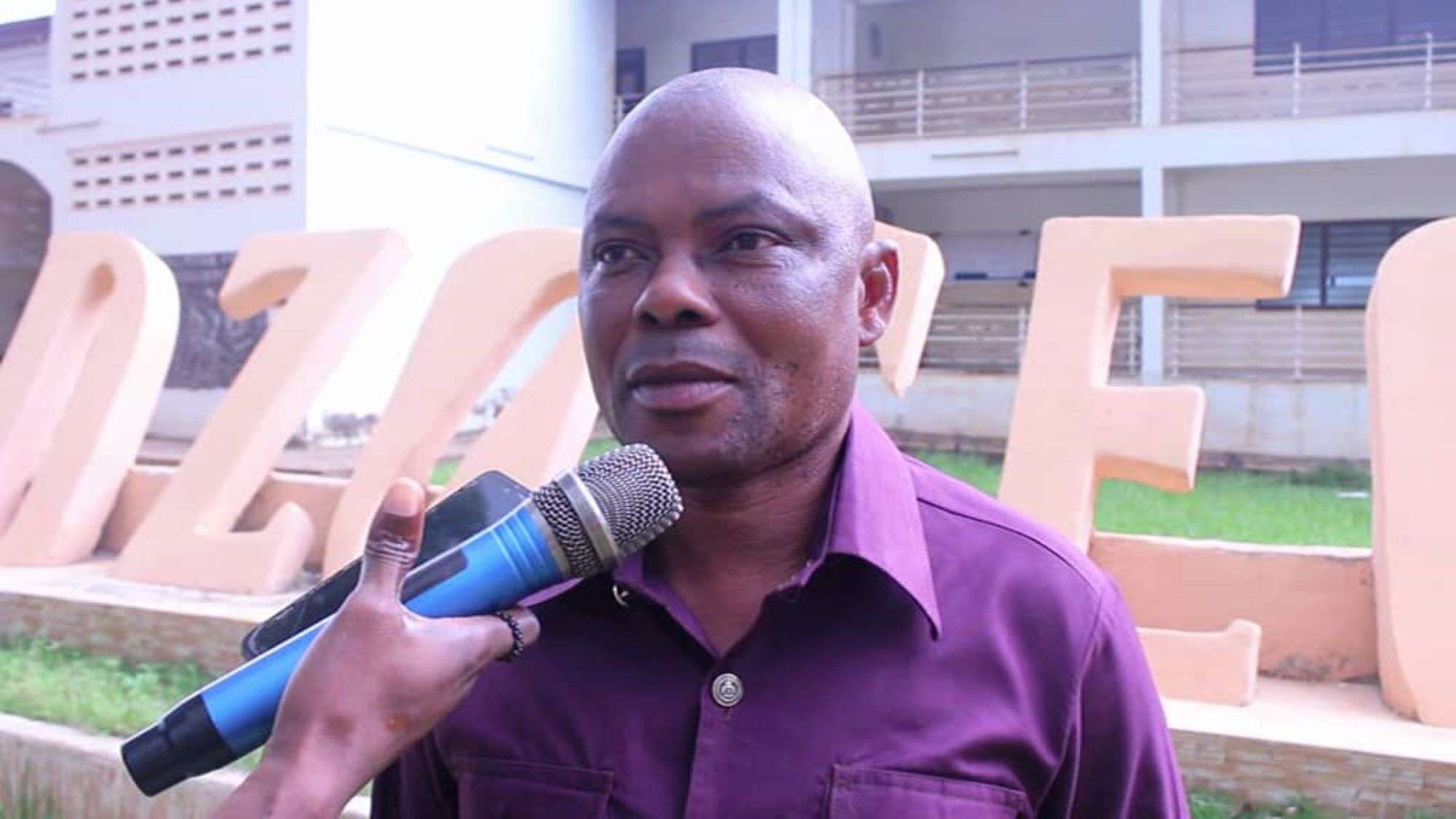

The Commissioner-General of the Ghana Revenue Authority (GRA), Dr Anthony Sarpong, has disclosed that the Authority’s deployment of Publican AI to support the valuation of import duties has driven a significant rise in revenue mobilisation.
According to him, the GRA collected GH¢6.1 billion in customs revenue in July 2026, up from about GH¢4 billion per month before the full implementation of the artificial intelligence-driven system. The increase represents an additional GH¢2.1 billion in monthly revenue compared with the pre-implementation figure.
Dr Sarpong made the disclosure when the Board and Management of the GRA paid a courtesy call on the Asantehene, Otumfuo Osei Tutu II, at the Manhyia Palace.
He explained that the full implementation of Publican AI began in April 2026 as part of broader reforms aimed at improving the valuation of imported goods and boosting revenue from import duties. Prior to the system’s rollout, the GRA collected approximately GH¢4 billion a month from customs. That figure rose to GH¢5.5 billion in June and further to GH¢6.1 billion in July.
“The full implementation started in April 2026. So, between April and June, we are happy to report, and as the Finance Minister, Dr Ato Forson also echoed in Parliament, that we are collecting about GH¢1.3 to GH¢1.5 billion a month in addition to what we used to collect.
“So that means before the implementation we were collecting about GHC4 billion a month. As of June, we were collecting GH¢5.5 billion. In the month of July, we collected GH¢6.1 billion, which means that our customs reforms are working,” he said.
Dr Sarpong attributed the improvement to the cooperation of the business community, importers and GRA staff in implementing the reforms.
Looking ahead, the Commissioner-General announced that the Authority is preparing to introduce another major reform targeting value added tax (VAT) collection. He noted that only about four out of every 10 businesses currently pay VAT, while the remaining six either do not charge the tax, charge it but fail to remit it, or avoid payment for other reasons.
He revealed that Parliament had recently approved a project that would enable the government to mandate the installation of devices at shops and service points to strengthen VAT administration.
“That is going to be a game changer in our VAT administration,” he said.
Dr Sarpong emphasised that the GRA would engage businesses and the public extensively ahead of the implementation of the VAT reforms. He also disclosed plans for a taxpayer or consumer reward scheme under which individuals who collect VAT receipts would be eligible for rewards from the GRA or government. Details of the reward scheme, he added, would be announced later.
The Commissioner-General expressed gratitude to the Asantehene and traditional leaders in the Ashanti Region for supporting the GRA’s revenue mobilisation efforts and for providing a peaceful environment for its officers to operate.
Publican AI
The Publican AI system is an artificial intelligence-powered platform introduced by the GRA to modernise customs operations and plug revenue leakages at Ghana’s ports. The system became mandatory for all import clearances on March 12, 2026, operating alongside the existing Integrated Customs Management System (ICUMS) to verify declared import values against global trade data.
The GRA introduced the platform to tackle long-standing revenue losses, revealing that it uncovered more than GH¢11 billion in port leakages between 2020 and 2025. The losses were attributed to practices such as under-declaration, misclassification of goods, and collusion.
Using artificial intelligence, the system analyses every import declaration in real time, cutting document review times from more than two hours to about five minutes while identifying discrepancies that traditional manual processes often failed to detect.