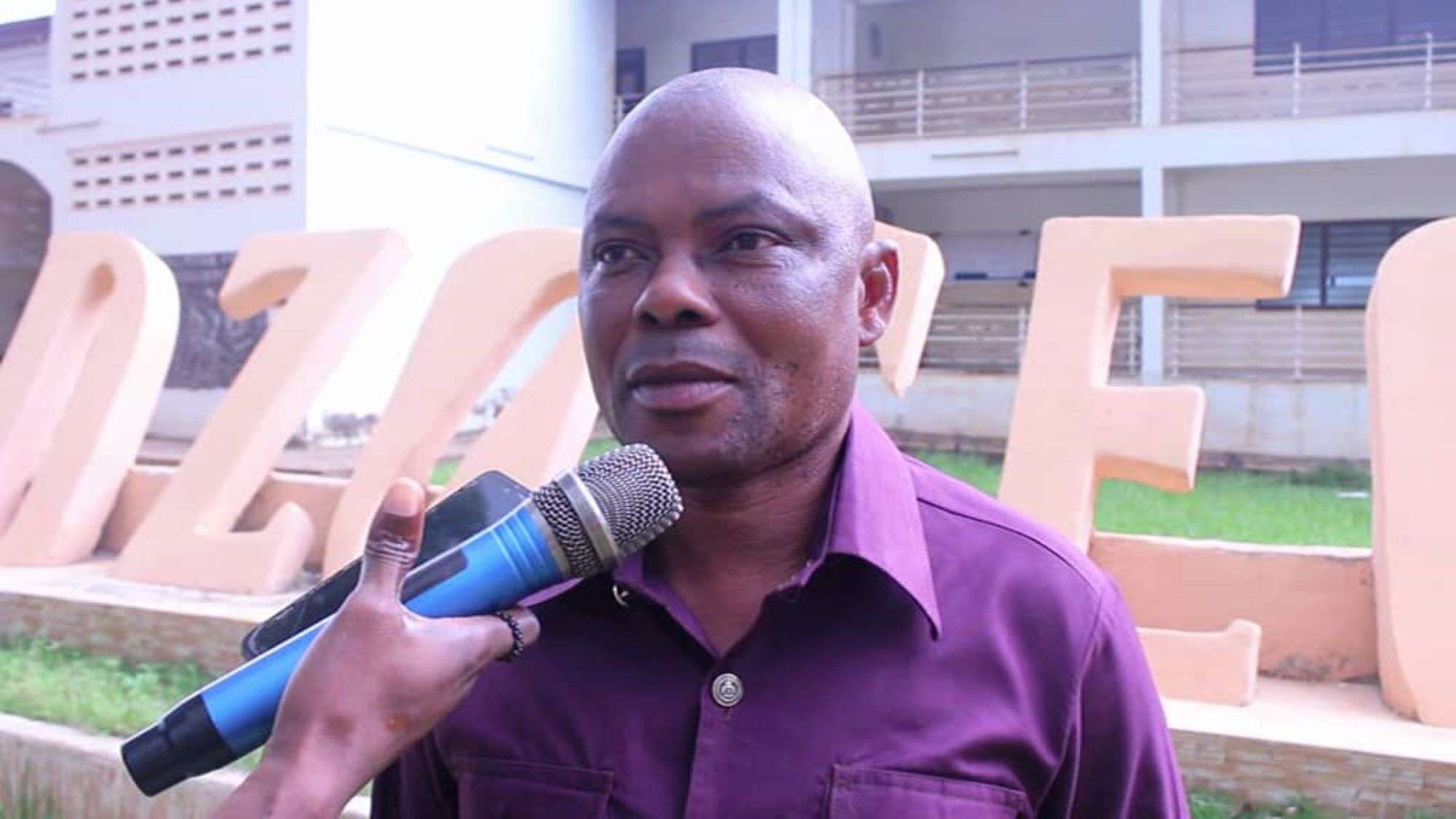


The Member of Parliament for Ofoase-Ayirebi, Mr Kojo Oppong Nkrumah, has intensified calls for the government to permanently abolish the controversial Energy Sector Levy
Mr Oppong Nkrumah who is also the Ranking Member on Parliament’s Economy and Development Committee, described the levy as “unnecessary” and counterproductive in the current economic climate.
The lawmaker made call on the back of the Ghana Revenue Authority’s (GRA) decision to postpone the implementation of the recent GHC1 fuel tax hike per litre. According to Mr Oppong Nkrumah, the postponement of the levy has created what he described as a strategic window to re-evaluate Ghana’s overall fuel-related revenue streams.
Opportunity for Reform
Speaking to the media, Mr. Oppong Nkrumah said the temporary suspension of the levy implementation, specifically the Tariff Interpretation Order (TIO) No. 2025/004 — should not be viewed as a simple deferment, but as a critical opportunity for fiscal reform.
“What we are drawing attention to is not just the suspension of the levy, because that levy is unnecessary.
“We are also drawing attention to the fact that the government should take advantage of this window, which has suspended [the levy] even while we are calling for scrapping,” he emphasised.
The TIO, based on the Energy Sector Levies (Amendment) Act, 2025 (Act 1141), was due to take effect on June 16, 2025.
It included a significant increase in the Energy Sector Shortfall and Debt Repayment Levy (ESSDRL) on selected petroleum products, sparking widespread public concern.
Following widespread public criticism and apparent due to current Israel-Iran conflict, the Ministries of Energy and Finance halted the rollout.
Subsequently, the GRA announced the suspension of the directive until further notice.
Fuel taxes under spotlight
Mr. Oppong Nkrumah, a former Minister for Information, emphasised that the Energy Sector Levy has outlived its purpose and is now a burden on consumers and businesses alike.
“Government should take advantage of this period not just to say we have halted it temporarily, but to do a substantive, comprehensive review of our revenue lines as a country, particularly the fuel levy,” he said.
Mr Oppong Nkrumah noted that Ghana’s current fuel pricing structure is weighed down by multiple taxes, including levies intended to pay off legacy debts and address shortfalls in the energy sector. However, he questioned whether the continued imposition of such levies is justified given the evolving economic landscape.
Calls for holistic fiscal review
Beyond just the Energy Sector Levy, Mr. Oppong Nkrumah urged the government to initiate a broader, data-driven examination of all revenue lines related to fuel pricing and taxation.
This, he argued, would ensure that Ghana’s fiscal policies are aligned with current economic realities and responsive to the needs of citizens and businesses.
“This is the time for a proper review — not just postponing another burden,” he asserted. “Let’s use this window to assess the effectiveness, necessity, and impact of every levy in our fuel pricing structure.”
Background to the levy debate
The Energy Sector Levies were originally introduced to help pay down Ghana’s mounting energy sector debts and support the financial recovery of the power and petroleum subsectors.
Over the years, however, critics have argued that poor transparency and insufficient progress in resolving the underlying issues have made the levies less defensible.
With Ghanaians already grappling with the high cost of fuel, public sentiment has increasingly shifted in favour of tax cuts, particularly as the country navigates its economic recovery after a debt restructuring process.
Next steps
It remains unclear how long the suspension of TIO No. 2025/004 will last, or whether the government will heed calls for a broader policy overhaul. However, Mr. Oppong Nkrumah’s remarks have added political weight to the growing demand for a reassessment of Ghana’s fuel tax regime.
He reiterated the need for political courage and fiscal responsibility: “We cannot continue to place the burden of inefficiencies in the energy sector on the pockets of ordinary Ghanaians. Let this be theby beginning of a thorough reform,” Mr Oppong Nkrumah concluded.