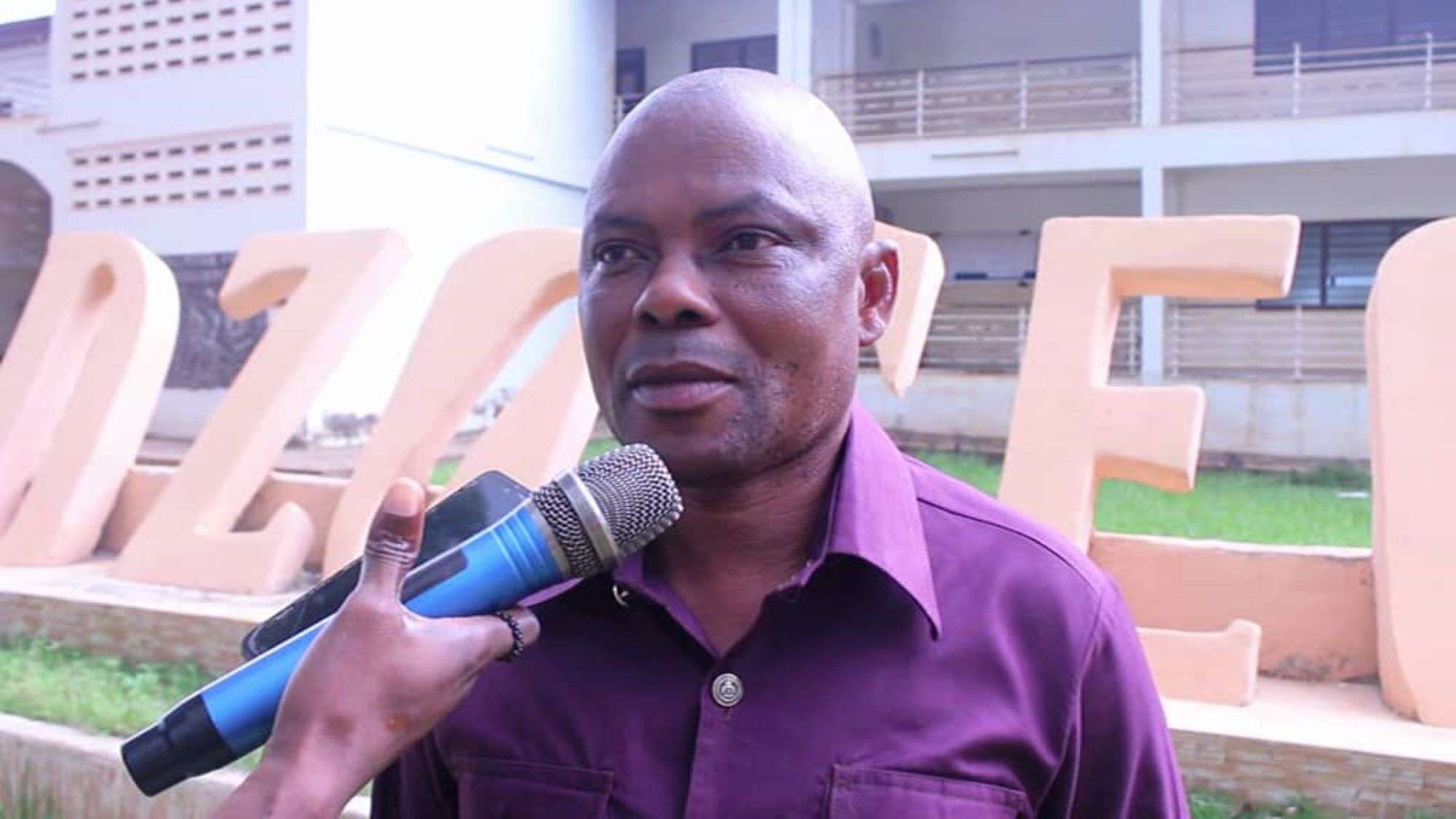


Political science scholar Professor Ransford Edward Van Gyampo has questioned the growing calls for reparations, arguing that Ghana must first address internal governance challenges before making such demands on the international stage.
Speaking on the issue, Prof. Gyampo revealed that he often engages his students in discussions about reparations.
According to him, when asked whether such calls are justified, students critically assess Ghana’s development trajectory since independence and often conclude that the argument lacks strong grounding.
He noted that many students are quick to dismiss the idea, pointing to persistent issues that have plagued the country over the years. These include economic mismanagement, corruption, and inefficient governance systems, which they believe have had a greater impact on the country’s development than historical injustices alone.
Prof. Gyampo used a popular metaphor to explain his stance, describing Ghana as “a nation that is noted for fetching water with baskets.”
In his view, this reflects the country’s struggle to retain and effectively utilize its own resources.
He argued that without addressing these fundamental challenges, any reparations received would be poorly managed and ultimately wasted.
He emphasised that calls for reparations, in the absence of strong governance reforms, risk becoming superficial political rhetoric rather than a meaningful development strategy.
“Until we block all the leakages and slippages,” he suggested, “and demonstrate the political will to deal decisively with corruption, such calls will remain a waste of time.”
The academic further criticized the approach of some political leaders who advocate for reparations without first putting internal systems in order.
He advised that if the government is serious about reparations, it should begin by improving accountability and ensuring transparency in the management of public resources.
Referencing former President Nana Akufo-Addo, Prof. Gyampo challenged that the administration should have done “its homework” by addressing inefficiencies in governance.
He stressed that the effectiveness of any additional financial inflows—whether from reparations or other sources—depends on the country’s ability to manage its existing resources responsibly.
He also expressed concern about the country’s tax policies and public financial management, suggesting that increased taxation alone is not a solution if the underlying issues of resource management are not addressed.
He argued that funds collected through taxation must be properly utilized, otherwise they risk being lost through corruption and mismanagement.
According to Prof. Gyampo, Ghana already possesses significant natural resources, including oil and other economic assets.
He noted that these resources should be sufficient to drive development if properly harnessed. However, he believes that the problem lies not in resource availability but in how these resources are managed.
He further warned that pursuing reparations under current conditions could ultimately benefit a few individuals in positions of power while leaving ordinary citizens worse off.
Without strong systems in place to ensure accountability, he argued, any additional funds entering the system could be diverted or misused.
Prof. Gyampo concluded that before Ghana joins global conversations demanding reparations, the country must first demonstrate its commitment to good governance, transparency, and effective resource management. Only then, he said, can such demands be taken seriously and yield meaningful benefits for the population.
His remarks add to the ongoing national and international debate about reparations and historical justice, while also drawing attention to the need for internal reforms as a foundation for sustainable development.