
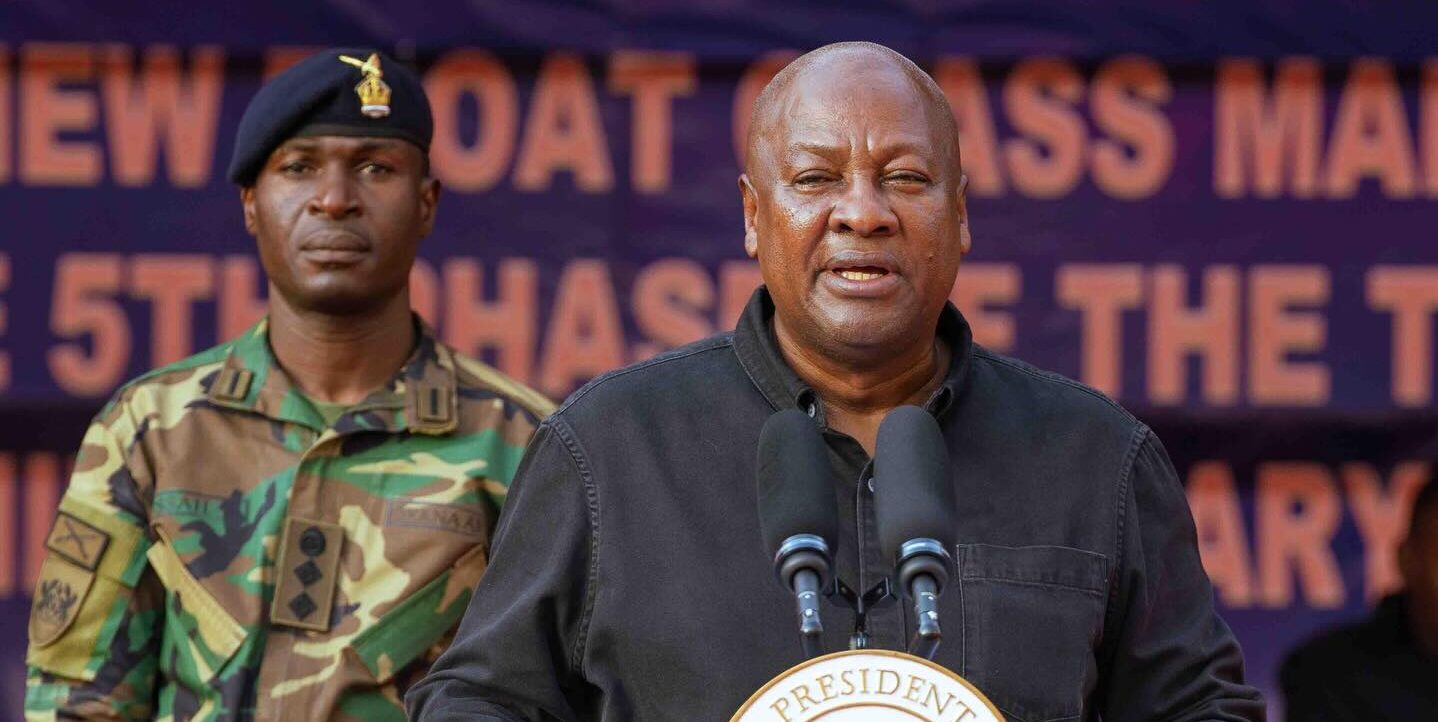
President John Dramani Mahama has declared that “Ghana is working again,” citing economic recovery, improved currency stability, and renewed investor confidence as clear signs of national progress.
Delivering the 2026 State of the Nation Address (SONA) in Parliament on Friday, February 27, President Mahama said his administration has restored hope and direction to the country within its first year in office.
“I told this august house then, when I appeared before you last year, that we needed to take tough decisions to restore credibility and stability, and I can say with confidence today that Ghana is back and ready for business.
“The fundamentals are improving, and the path to sustain acceleration is very clear to everyone. From the outset, we resolved to choose discipline over waste, reform over excuses, and stability over speculation,” he told lawmakers.
The President noted that stabilising the economy was the government’s immediate priority upon assuming office. He pointed to the appreciation of the cedi against major international currencies and improved macroeconomic indicators as evidence that deliberate policy choices are yielding results.
According to him, renewed fiscal discipline, targeted social interventions and reforms across key sectors have laid the foundation for sustainable growth. He added that Ghana’s economy has now surpassed the 100-billion-dollar mark for the first time, positioning the country among Africa’s leading economies.
President Mahama also highlighted gains in infrastructure, agriculture, education and digital transformation, stating that government investments are beginning to translate into tangible benefits for citizens and businesses alike.
He emphasised that while challenges remain, the trajectory is clear and positive.
The President assured Ghanaians that his administration remains committed to deepening reforms, strengthening institutions and ensuring that economic progress translates into improved living standards across the country.
He called for unity and collective responsibility, urging citizens, the private sector and development partners to work together to consolidate the gains made so far and secure a more prosperous future for Ghana.
He stated that prioritising “reform over excuses” meant confronting structural challenges head-on rather than blaming external factors and implementing corrective policies aimed at long-term economic resilience and growth.