

By Ken Bediako
This is the concluding part of Ohene Djan’s recollection of HOW FOOTBALL MOVED TO ACCRA.
For starters Ohene Djan was the celebrated sports administrator who put Ghana sports on the world map in the first decade of the nation’s political Independence. It is recalled that in
2004 the sports loving Kufuor administration decided to celebrate the nation’s outstanding sports personalities and name sports facilities after them. A powerful eight body committee headed
by Dr Owusu Ansah, veteran sports administrator, produced a comprehensive report within ten months.
The subsequent presidential accent also received nationwide support. The first batch in the list of honours were football artist Baba Yara, boxing hero Azumah Nelson, Table Tennis addict DG Hathiramani, Hockey Queen Mrs Theodosia Okoh and legendary sports administrator Ohene Djan. All these outstanding personalities had national sports facilities named after them by the Committee. You can see their names proudly displayed at the various facilities except that of
Ohene Djan named after Accra Stadium.
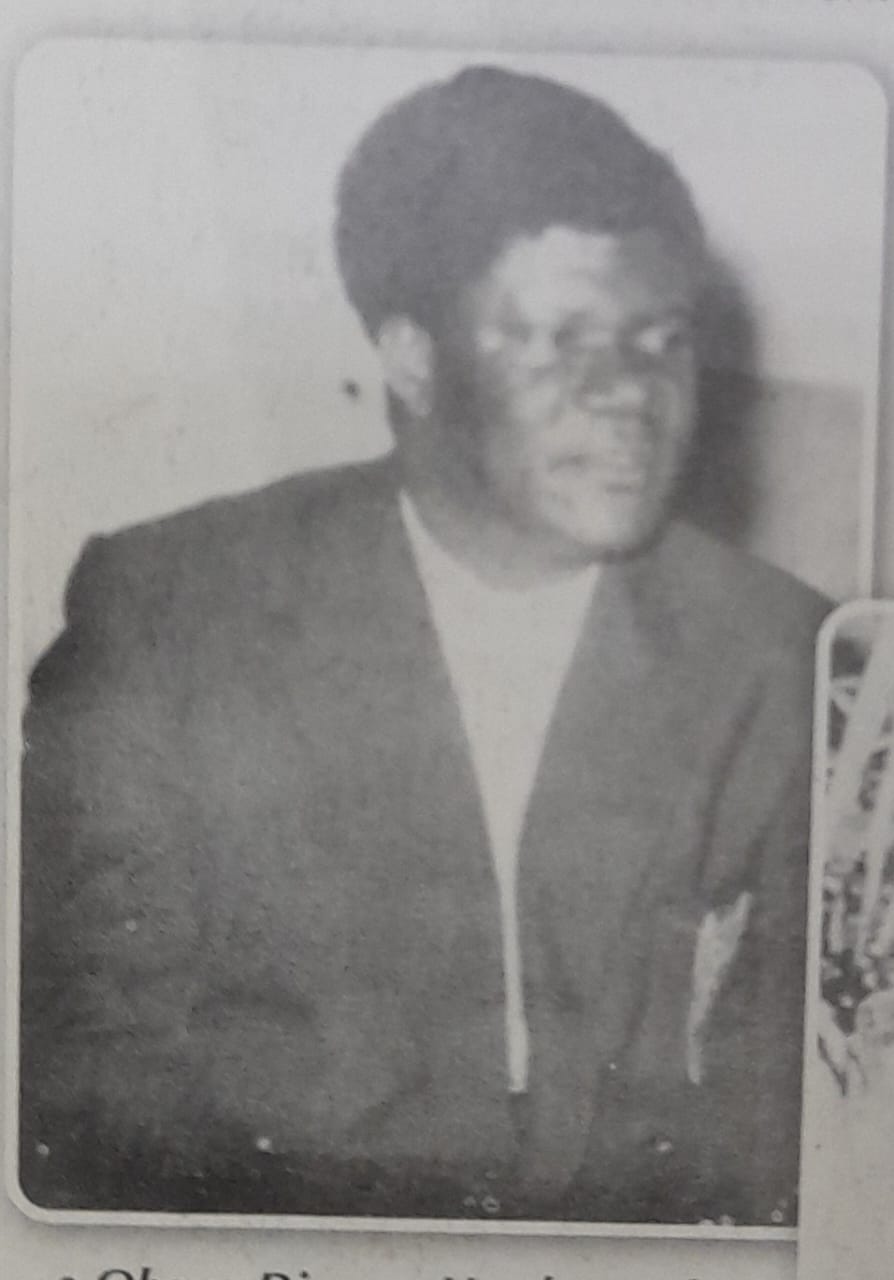
It is alleged some “sporting galamseyers” went on rampage to deface the Ohene Djan Stadium nearly two decades ago. Surprisingly both the sports authorities and the media are looking on like “gaping sychopants.” This is unacceptable.
I will continue to back Dan Kwaku Yeboah in his campaign to get back Ohene Djan Stadium.
Meanwhile let me conclude Ohene Djans insightful history of how football moved to Accra.
The rift that developed within Accra football seriously threatened its progress and development. It widened the bitterness and rivalry between the city’s two leading clubs, Hearts of Oak and Accra Standfast. Hearts of Oak remained a loyal ally of the Akwei regime, while Standfast became the backbone of the J. Kitson-Mills revolutionary administration.
For many years, Hearts of Oak and Accra Standfast together formed what was known as Accra XI, which at the time was virtually synonymous with the national team. While Hearts of Oak have continued to remain a leading force in Ghanaian football, Accra Standfast gradually declined, and Accra Great Olympics later emerged as their offshoot. It was indeed a sad development that such a great pioneer club as Accra Standfast faded into history, raising the lingering question of whether the club could ever be revived to its former glory.
During the war period, Mr. Richard Akwei organised charity matches in support of the war effort. These matches temporarily eased tensions between the two Accra football factions. However, divisions resurfaced when Accra played Kumasi at home. Hearts of Oak supplied the bulk of the Ga team, while Standfast refused to release their key players to the Accra Amateur Football Association. The outcome was unsatisfactory, prompting the Ga Mantse to intervene in an effort to prevent further deterioration of football strength in the capital city. Despite this intervention, the two controlling associations remained uncompromising.
As a result, an independent Accra Football XI Committee was established under the chairmanship of Mr. C. B. Nettey to organise the return encounter against Kumasi in the Ashanti capital. The committee succeeded, and Accra defeated Kumasi 3–1 in a fast and thrilling match. Nevertheless, a permanent solution to the misunderstanding that was steadily eroding unity in Accra football was still not achieved.
The opening of the Accra Sports Stadium in 1951 presented a golden opportunity to restore unity in the organisation of football in Accra. Plans were made to assemble a team to represent Southern Ghana. To provide effective leadership for this initiative, the two football bodies in Accra—the Accra Amateur Football Association and the Ga Football Association—held a merger meeting at the Rodger Club in Accra. They dissolved their separate identities and formed the Accra Football Association under the chairmanship of Mr. Solo Odamtten, with Mr. Richard Akwei elected as vice-chairman.
The new Accra Football Association energetically began the task of organising the Southern Ghana team. However, Mr. Akwei, driven by his strong desire for initiative and leadership, and confident in his experience and knowledge, attempted—with the assistance of some football officials from Sekondi—to establish a rival organisation to field an alternative Southern Ghana team. In the long run, the Southern Ghana team under Solo Odamtten gained official recognition and was accepted by the Sports Council to play the ceremonial opening match against an Ashanti representative side. Southern Ghana won the match convincingly by 3–0.
Following this victory, the Accra Football Association resolved to consolidate its authority and purge its ranks of any perceived disloyalty. Consequently, Mr. Richard Akwei—who had been actively involved in football administration in the capital for twenty-one years—was, by resolution, dismissed from the Accra Football Association for setting up a rival organisation and team to compete with the officially recognised Southern Ghana side.
Despite this setback, Mr. Akwei’s dedication and foresight remained firmly tied to the development of football in the country. As early as 1935, he had attempted to establish a National Football Association. Although he did not fully succeed at the time, he managed to bring district associations together for the first time and impress upon them the importance of operating under a unified national controlling body. This effort led to more frequent inter-town matches and a surge in public interest in the game.
However, allegations of inadequate consultation and meetings generated resentment against Mr. Akwei’s leadership. In 1940, efforts were made to create a new football link between Kumasi and Accra. Under the leadership of Mr. John Darkwa, the Kumasi Association entered into a liaison with the Ga Football Association. This new alliance decided to boycott and compete against Akwei’s Gold Coast Amateur Football Association, a move that further complicated matters and did little to advance football development in the country. This fragmented leadership persisted until the eve of the 1951 United Kingdom tour.
When government financial assistance was sought for the tour, it was insisted that the two rival groups merge before such aid could be granted. Consequently, at a meeting held in Kumasi, the United Gold Coast Amateur Football Association was formed. Mr. John Darkwa was elected national chairman, with Mr. Richard Akwei serving as vice-chairman.
In practice, however, Mr. Akwei’s drive, experience, wide contacts, ingenuity, and initiative enabled him to overshadow Mr. Darkwa, effectively making him the true leader of the Gold Coast contingent on the United Kingdom tour.
The history of Accra football from the mid-1920s is undeniably a chronicle of the fascinating, pioneering, and often contentious contributions of Mr. Richard Akwei to Ghanaian football. If there was ever an individual who struggled tirelessly against overwhelming odds to establish a national football structure for Ghana, it was Mr. Richard Akwei, operating largely through the platform of the Accra Amateur Football Association.
Cheers everybody and keep loving sports.