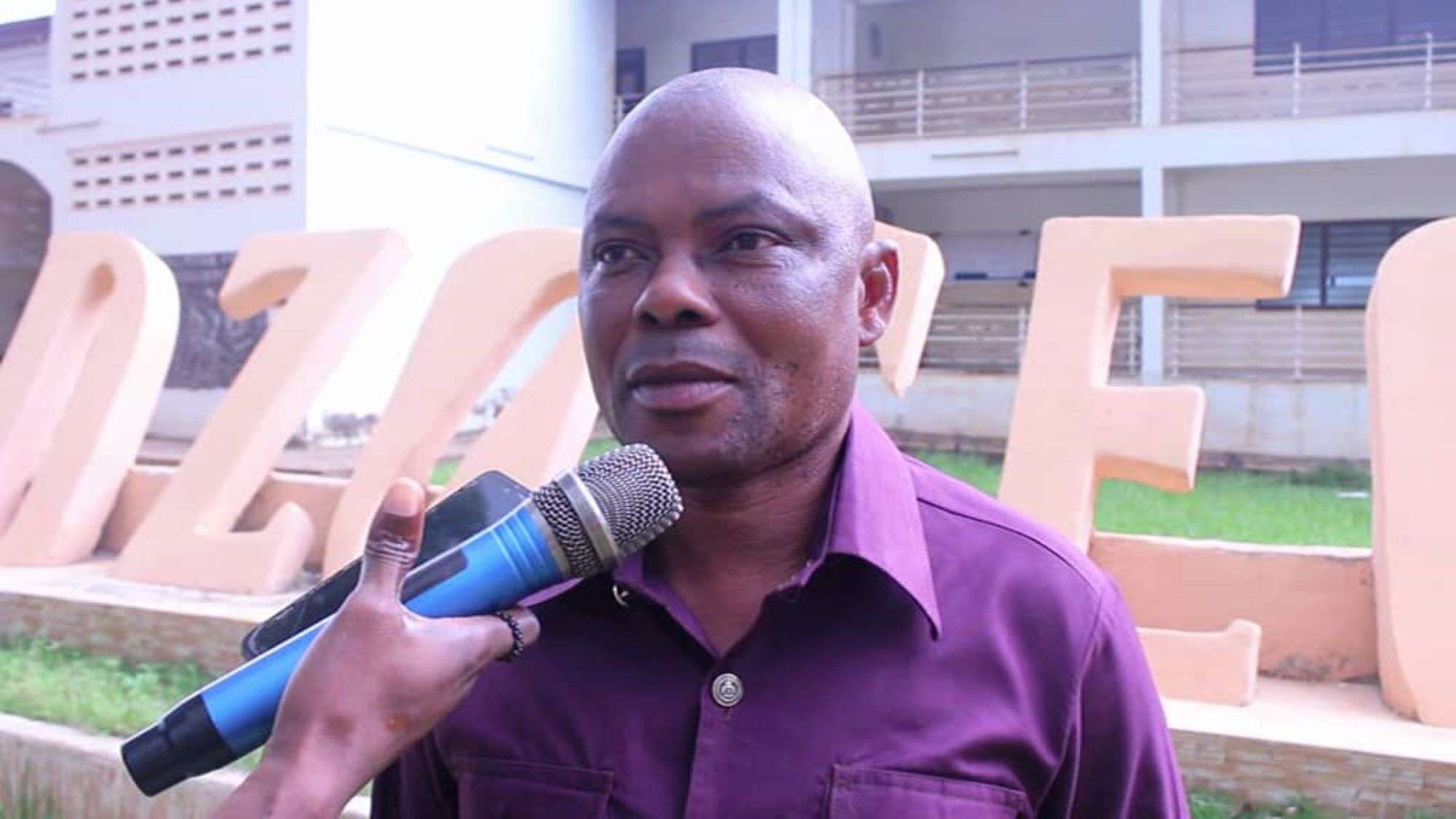


By Yaw Adomako Baafi
Ghana’s democratic progress is under serious threat due to the growing influence of money, power, and godfatherism in politics. These elements, rather than integrity and hard work, have become the main determinants of political success, undermining the principles of meritocracy and good governance. This trend has been persistent across all administrations, from Kwame Nkrumah’s era to the present, affecting both the New Patriotic Party (NPP) and the National Democratic Congress (NDC). It is imperative that the media, civil society organizations, academia, traditional leaders, religious groups, the Trade Union Congress, and other opinion leaders address this issue with urgency.
The Growing Influence of Money and Godfatherism in Politics
1. Nepotism and Cronyism
One of the most damaging effects of money-driven politics and godfatherism is nepotism. Leaders often appoint family members, friends, and loyalists rather than individuals with the required competence and integrity. For instance, under the Akufo-Addo administration, the NDC accused the government of excessive nepotism, pointing to the appointment of close relatives and party loyalists to key positions. However, the trend continued under the John Mahama-led NDC government, revealing that both parties prioritize loyalty over competence. This erodes public trust in governance and weakens institutions.
2. Wealth Over Meritocracy
In today’s political landscape, financial muscle often outweighs hard work and competence. Those who contribute financially to political campaigns and party activities are given preferential treatment in appointments, contracts, and government deals. Many of these individuals acquire their wealth through government connections, creating a cycle of corruption where political financiers continuously benefit from every change in administration. This system sidelines dedicated individuals who lack financial resources but have the vision and expertise to drive national development.
3. Corruption and State Resource Exploitation
The dominance of money in politics fosters corruption at all levels. Political office seekers must recover their investments, leading to inflated contracts, embezzlement of state funds, and policy decisions that favour a few elite individuals rather than the general populace. Reports from institutions like the Ghana Integrity Initiative and the Auditor-General’s Department highlight massive financial irregularities across various governments, showing how political power is used for personal enrichment rather than national service.
4. Disenfranchisement of the Youth and Grassroots Members
Many young, dynamic, and hardworking politicians find it nearly impossible to rise through the ranks without financial backing or a political godfather. This stifles innovation and discourages young people from engaging in politics, creating a system where power remains concentrated in the hands of a few elites. Additionally, grassroots members who dedicate their time and energy to party activities are often ignored when it’s time for appointments, as financial contributors take precedence.
5. Weakening of Political Parties and Democratic Institutions
Political parties become weak when positions are allocated based on financial influence rather than competence. Internal democracy suffers, leading to factionalism, resentment, and lack of trust in leadership. This has been evident in both the NDC and NPP, where accusations of favouritism and unfair appointments have led to internal conflicts and defections. Over time, this trend weakens the country’s democratic institutions, making them tools for political elites rather than serving the interests of the people.
Consequences for Ghana’s Democratic Development
Erosion of Public Trust in Democracy: When people see the same cycle of corruption and favouritism regardless of the party in power, voter apathy increases. This can lead to lower voter turnout and disillusionment with democratic processes.
Stagnation in Development: When unqualified individuals hold key government positions, incompetence leads to policy failures, poor economic management, and a lack of national progress.
Rise in Political Violence and Instability: If the majority of the population feels excluded from governance, tensions rise, leading to social unrest and possible political instability.
The Way Forward
1. Strengthening Internal Party Democracy
Political parties must ensure that internal elections and appointments are based on merit rather than financial influence or personal connections. Transparent and fair primaries should be enforced to give all members a fair chance.
2. Enforcing Strict Campaign Finance Regulations
The Electoral Commission and civil society organizations should push for strict laws on campaign financing to reduce the influence of money in politics. Disclosure of political donations and spending limits should be mandatory.
3. Promoting Competence Over Loyalty
Government appointments should be based on qualifications, experience, and performance rather than party loyalty or family ties. An independent body should oversee key appointments to prevent nepotism.
4. Strengthening Anti-Corruption Institutions
Institutions such as the Office of the Special Prosecutor, the Auditor-General, and CHRAJ must be given more independence and resources to tackle corruption effectively. Individuals found guilty of abusing public office should face strict legal consequences.
5. Empowering the Youth and Grassroots Members
Political parties should create policies that encourage young people and grassroots members to participate in governance, reducing the power of money and godfatherism in determining political success.
Conclusion
Ghana’s democracy is at a crossroads. If the country continues on the path where money and godfatherism determine political success, the future of governance will remain bleak. Meritocracy, integrity, and accountability must be restored in the political system. It is the responsibility of all stakeholders—political parties, civil society, traditional and religious leaders, and the electorate—to push for reforms that will strengthen democracy and ensure that leadership is based on competence and service rather than financial power and favouritism. Failure to address these issues now will only deepen the country’s political and economic challenges, making true democratic progress impossible