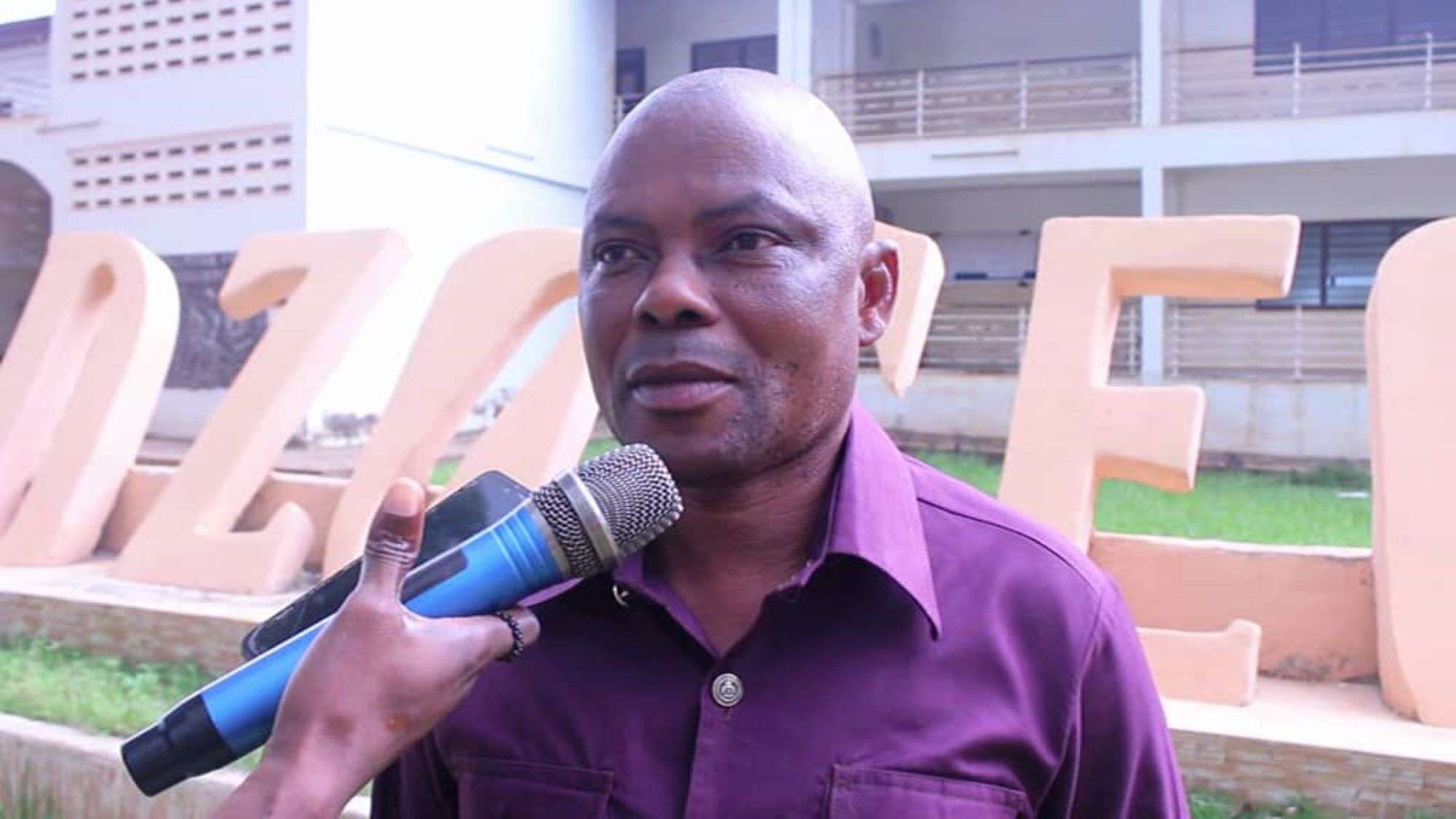

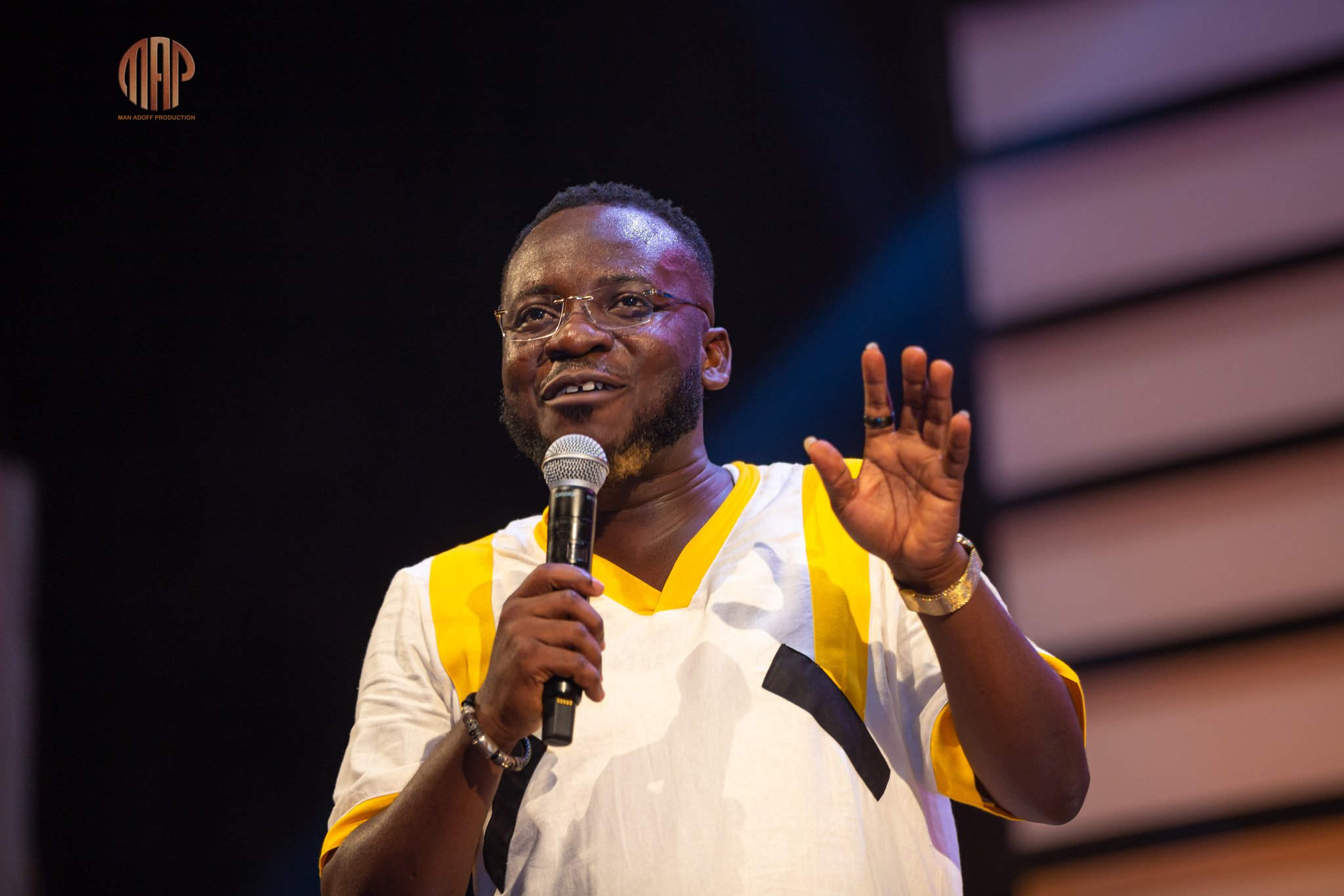
The four-time Ghana Comedy Awards Stand-Up Comedian of the Year, Lekzy, has renewed his call for the Ghana Revenue Authority (GRA) to review its approach to taxing comedy shows, arguing that the 21 per cent charge on each ticket is too high for an industry that is still finding its feet.
In a recent conversation with Graphic Showbiz, the popular comedian, born Emmanuel Lekzy, said the current tax regime treats comedy events exactly like established businesses, an approach he believes is counterproductive at this stage of the industry’s development. He has been consistent in advocating a more supportive fiscal environment that would allow promoters and performers to invest more confidently in live shows.
“I think the current percentage charged is unfair. So if there’s anything I could change, it will be the approach of GRA towards comedy shows. Right now, comedy events are treated just like any other business for tax purposes, but I don’t think that’s the best approach.
“Comedy in Ghana is still a growing industry, and promoters and comedians are investing heavily to keep it alive. I believe the GRA should find a way to support us by easing the tax burden until the industry becomes more established.
“We are not saying we will not pay taxes because we understand it is our responsibility, but the percentage charged on ticket sales is quite outrageous. If those taxes are reviewed or reduced, it would encourage more people to organise comedy shows, help the industry grow, and ultimately generate even more revenue for the show,” he explained.
Lekzy stressed that a lighter tax burden in the short term could stimulate greater activity in the sector, creating more events, more jobs and, eventually, a larger tax base once the industry matures. He pointed out that many promoters already operate on thin margins after covering venue costs, production expenses, artist fees and marketing. Adding a substantial ticket tax, he argued, discourages both organisers and potential audiences.
Beyond the immediate economic argument, Lekzy believes a thriving Ghanaian comedy industry has the potential to project the nation’s image more effectively on the global stage. He suggested that comedy could become a strategic tool for cultural diplomacy and tourism promotion if given the right support.
“If I were in a position of authority, I would suggest that anytime the President travelled, he takes along some Creatives, especially comedians. In history, we are told Dr Kwame Nkrumah was doing something similar,” he stated.
He expanded on the unique power of comedy to communicate culture, arguing that laughter and storytelling often leave a more lasting impression than formal presentations.
“Nobody can propagate the culture of any country better than comedians. There are stories I heard about Warri in Nigeria, but until I travelled there, I didn’t realise they were from Nigerian comedians.
“So, for us to push the whole tourism narrative and tell the Ghanaian story, I think comedians are well positioned. We can actually sell our story in a very positive way,” he noted.
Lekzy’s own career offers a compelling example of the opportunities comedy can unlock. Although he trained in graphic design, the stage has given him access and influence that his formal qualification alone might never have provided.
“I studied graphic design in school, but comedy and its accompanying spotlight have really helped me a lot. I have been able to afford certain things; it has given me access to people and also made me enter places that, probably, if I were following what I studied in school, I wouldn’t have been able to achieve,” he stated.
Reflecting on the evolution of the craft, Lekzy pushed back against the notion that today’s comedians have it significantly easier than their predecessors. While social media has expanded visibility and created new pathways to fame, the fundamental demands of the profession remain rooted in live performance.
“We are still building our careers on live theatre stages. It doesn’t matter which year or generation you’re talking about; we are all still on the stage doing our thing. The only difference is that social media has probably made us more popular not just among Ghanaians but also abroad.
“Also, I can’t say much when it comes to earnings in the eighties and nineties. But I believe there has been some level of improvement over the years,” he added.
His comments come at a time when Ghana’s live entertainment sector continues to recover and expand after years of disruption. Comedy has grown in popularity, with more shows, festivals and corporate bookings than in previous decades. Yet industry players repeatedly cite high operational costs and tax obligations as major constraints on scaling up.
Lekzy’s four-time recognition as Stand-Up Comedian of the Year at the Ghana Comedy Awards underscores both his personal success and the rising profile of the art form. His willingness to speak publicly about structural challenges facing the sector reflects a broader desire among creatives for policies that recognise the developmental stage of the industry rather than treating it as a fully mature commercial enterprise.
By calling for a more nuanced approach from the GRA, Lekzy is not seeking special privileges but a temporary period of support that would allow more promoters to take risks, more comedians to earn sustainable incomes, and ultimately more revenue to flow back to the state once the ecosystem is stronger.
Whether policymakers will heed the call remains to be seen, but the conversation he has helped keep alive highlights the growing importance of comedy within Ghana’s cultural and creative economy.