
The World Bank has approved a $300 million financing package to support Ghana’s efforts to eliminate the double-track system in Senior High Schools (SHSs) by 2027, marking a major milestone in the country’s education reform agenda.
The funding will be used to implement the Transformative Secondary Education for Access, Results and Relevance for Jobs (STARR-J) Project, an initiative aimed at expanding access to quality secondary education, improving learning outcomes, and addressing infrastructure deficits across the country.
According to a statement issued by the Ministry of Education, the project will help tackle overcrowding and inadequate facilities in many senior high schools—key challenges that led to the introduction of the double-track system under the Free SHS programme.
The government expects the investment to significantly improve school infrastructure and learning conditions, paving the way for all secondary schools to return to a single-track academic calendar by 2027. The initiative is also expected to enhance efficiency within the education sector while ensuring that students receive quality education in a more conducive environment.
Minister for Education, Haruna Iddrisu, described the approval as a significant investment in Ghana’s youth and future.
He noted that the project would create more learning opportunities for students while aligning secondary education with the skills required by the modern job market.
President John Dramani Mahama had earlier announced plans to end the double-track system through infrastructure expansion and the upgrading of selected senior high schools nationwide.
Under the STARR-J programme, 50 SHSs are expected to benefit from major upgrades, with 30 Category C schools being elevated to Category B status and 20 Category B schools upgraded to Category A.
The programme will also support the operationalisation of community day schools to reduce pressure on boarding facilities and improve access to secondary education for students in underserved communities.
The Ministry of Education expressed appreciation to the World Bank and the Ministry of Finance for their support in securing the facility.
Officials believe the project demonstrates the government’s commitment to providing equitable access to quality education and equipping students with the knowledge and skills needed to compete in an increasingly globalised economy.
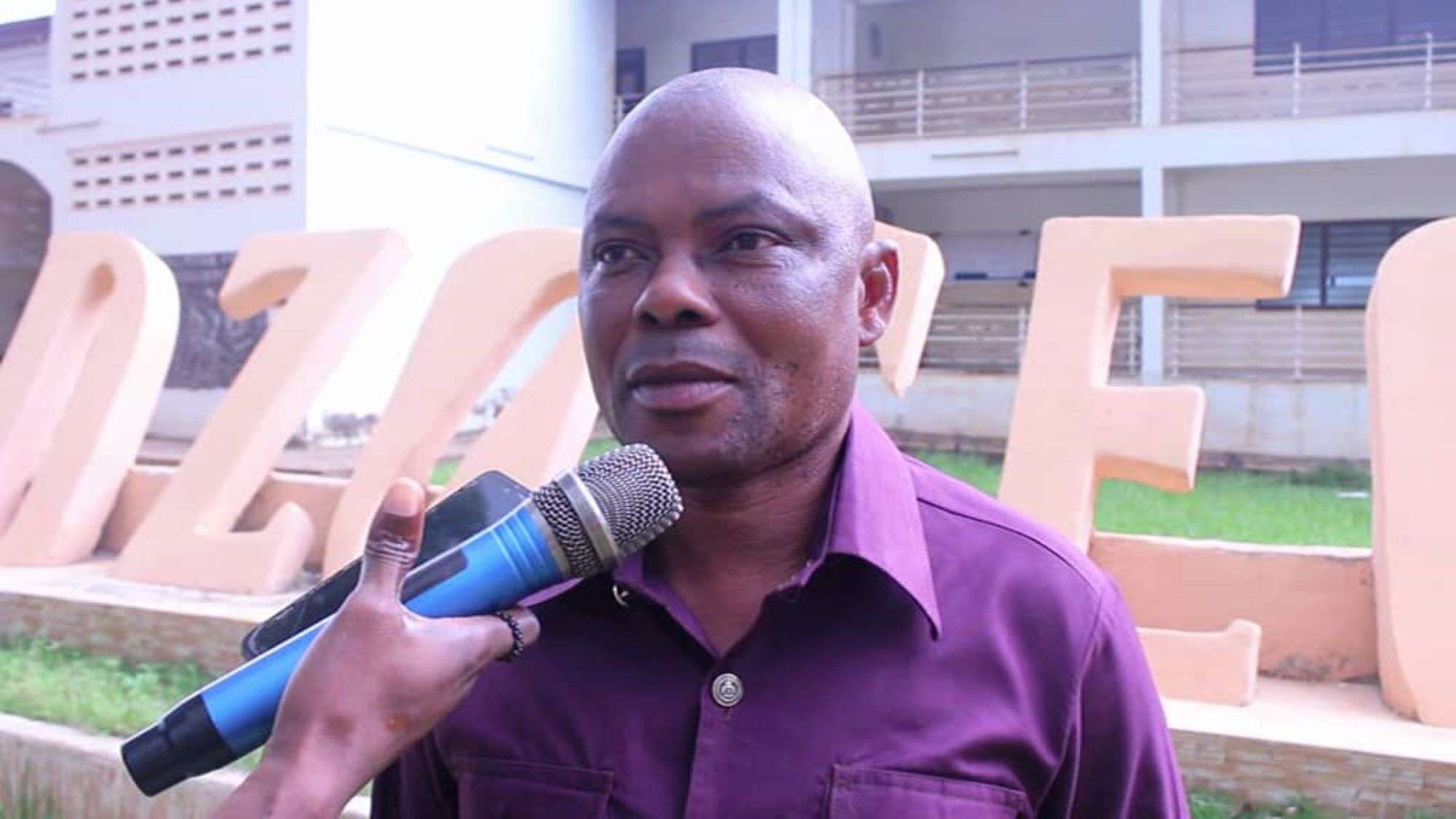
Education stakeholders have welcomed the approval, expressing optimism that the investment will help address long-standing infrastructure challenges and improve the overall quality of secondary education in Ghana.