
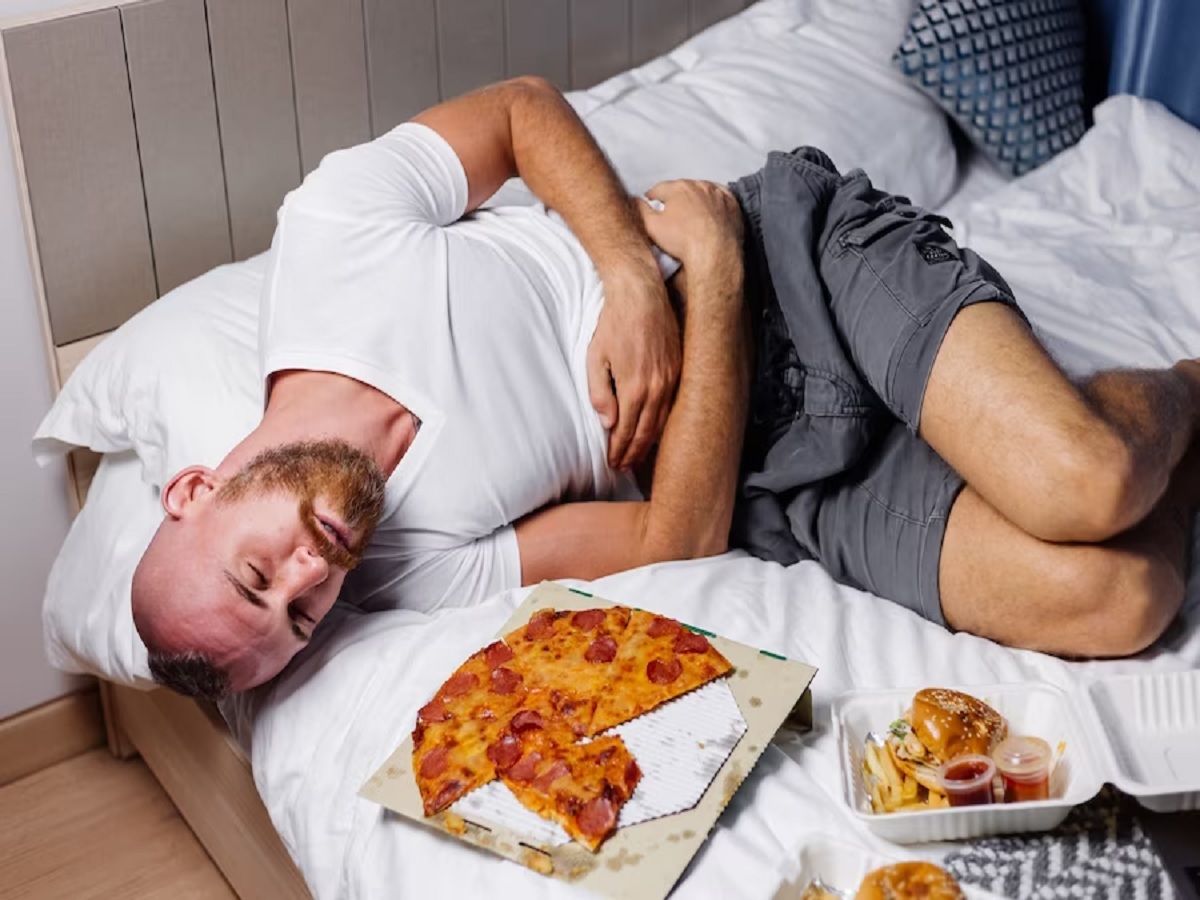
What you do after a meal can affect how comfortable you feel and, in some cases, how well your body handles digestion. While most everyday activities are perfectly safe after eating, certain habits may contribute to bloating, heartburn, discomfort, or poor sleep.
You do not need to follow complicated rules after every meal. However, giving your body some time to settle can be beneficial. Here are seven things you should avoid doing immediately after eating.
1. Avoid lying down immediately
One of the most common habits to avoid after eating is lying flat. When you lie down soon after a meal, stomach contents can move back towards the oesophagus, potentially causing heartburn or acid reflux.
This can be particularly uncomfortable after a large, fatty or spicy meal. Instead of going straight to bed or lying on the sofa, remain upright for a while. If you need to rest, sitting comfortably is generally a better option.
People who regularly experience acid reflux may benefit from paying particular attention to the timing of meals and bedtime.
2. Avoid intense exercise
Exercise is important for good health, but vigorous physical activity immediately after a large meal may leave you feeling uncomfortable.
Running, heavy weightlifting or high-intensity workouts can cause stomach cramps, nausea, bloating or a feeling of heaviness because your body is digesting food while you are demanding a lot from your muscles.
If you want to move after eating, consider gentle activity such as an easy walk. A short, relaxed walk can help you stay active without putting excessive strain on your digestive system.
For more intense workouts, allow some time for your meal to settle.
3. Avoid smoking
Smoking is harmful to health at any time, but smoking immediately after eating is a particularly unhelpful habit.
Smoking can relax the lower oesophageal sphincter, the muscle that helps prevent stomach contents from moving back into the oesophagus. This may contribute to acid reflux and heartburn.
Smoking also exposes the body to numerous harmful chemicals and is associated with serious diseases, including heart disease, lung disease and several types of cancer.
If you smoke, avoiding cigarettes after meals can be one small step towards reducing your overall tobacco use.
4. Avoid drinking too much alcohol
Having a drink with a meal may be part of some people’s routines, but consuming large amounts of alcohol immediately after eating can cause problems.
Alcohol can irritate the digestive system and may worsen symptoms of acid reflux in some people. Excessive alcohol consumption is also associated with liver disease, cardiovascular problems and other long-term health risks.
If you choose to drink alcohol, moderation is important. You should also consider whether alcohol triggers digestive symptoms for you.
5. Avoid drinking excessive amounts of tea or coffee
Tea and coffee can be enjoyed as part of a balanced diet, but consuming large quantities immediately after a meal may not be ideal for everyone.
Caffeinated drinks can trigger heartburn or digestive discomfort in some people. Tea and coffee also contain compounds that can reduce the absorption of non-haem iron when consumed around meals, which may be relevant for people who have low iron levels.
This does not mean you have to completely stop drinking tea or coffee. If you regularly consume them after meals, consider leaving some time between your meal and your drink.
6. Avoid taking a hot shower immediately
Taking a shower after eating is generally not dangerous, but some people may feel uncomfortable if they take a very hot bath or shower immediately after a large meal.
Very hot water can make some people feel light-headed or weak, particularly if they are already prone to dizziness. After eating, your body is also busy digesting food, so giving yourself a little time before taking a very hot shower may help you feel more comfortable.
A normal-temperature shower is unlikely to cause a problem for most healthy people.
7. Avoid going straight to sleep
Going to bed immediately after eating can make it harder to sleep comfortably and may increase the likelihood of heartburn or acid reflux.
This is especially important after dinner. Eating a large meal shortly before bedtime can leave you feeling overly full when you are trying to sleep.
Whenever possible, finish your evening meal well before bedtime. If you occasionally eat late, staying upright for a while rather than immediately lying down may help reduce discomfort.
What should you do after eating?
You do not have to remain completely inactive after a meal. Gentle activities can be a better choice. Taking a relaxed walk, doing light household activities or simply sitting upright can allow you to remain comfortable while your body digests the food.
It is also useful to pay attention to how your body responds to different foods and habits. If particular meals consistently cause bloating, heartburn, abdominal pain or nausea, consider discussing the symptoms with a healthcare professional.
Final thoughts
There is no single rule that everyone must follow after eating. However, avoiding habits such as lying down immediately, intense exercise, smoking, excessive alcohol and large amounts of caffeine can help some people avoid digestive discomfort.
Most importantly, healthy digestion depends on your overall lifestyle, including eating a balanced diet, staying physically active, getting enough sleep and drinking adequate fluids.
If you frequently experience severe heartburn, persistent abdominal pain, vomiting, difficulty swallowing or unexplained weight loss after meals, seek medical advice rather than trying to manage the symptoms yourself.