
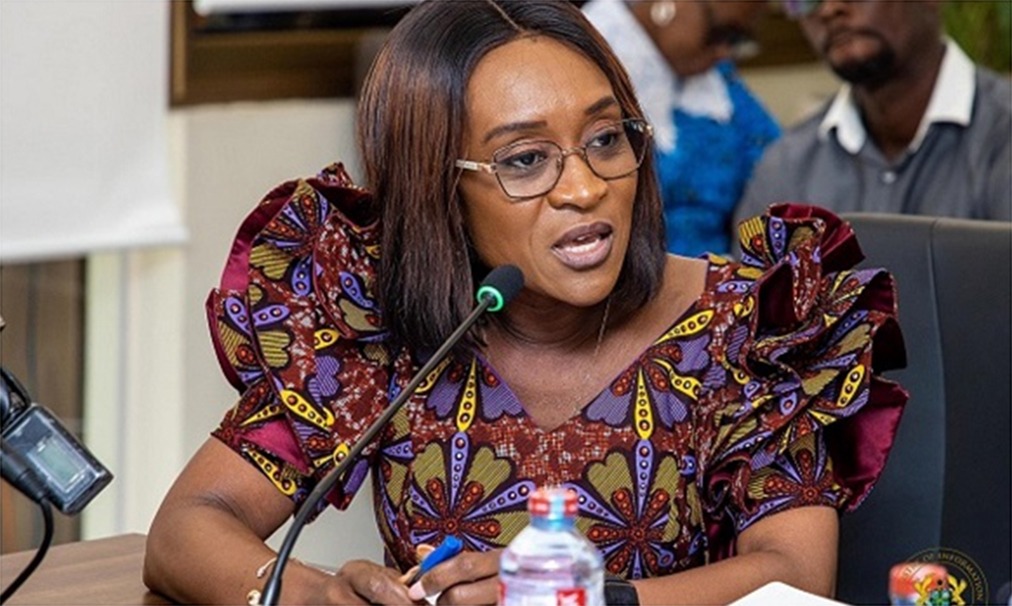
The Chairperson of Ghana’s Public Accounts Committee (PAC), Abena Osei-Asare, has called on African Public Accounts Committees to strengthen the enforcement and tracking of audit recommendations to ensure that parliamentary oversight translates into tangible improvements in public financial management and service delivery.
She said identifying financial infractions and summoning public officials to explain their actions were not enough unless the recommendations arising from parliamentary investigations translated into corrective measures.
“I invite us to consider a shared approach to tracking the implementation of audit recommendations, adapted to our respective parliamentary systems, and to sharing progress at our next general meeting,” she said.
Let’s set standards
Speaking at the opening of the 2026 African Organisation of Public Accounts Committees (AFROPAC) and general meeting in Accra today (November 2), Mrs Osei-Asare said identifying what had gone wrong was only the first step.
“Our greatest challenge is ensuring that financial infractions do not happen again.
“A hearing may attract public attention, but it is the action that follows that earns public respect and public trust. And this is the standard I believe we should set for ourselves,” she said.
The four-day event, hosted by Ghana’s Parliament, is being held on the theme: “Oversight for resilience: Strengthening Africa’s Public Accounts Committees amid a shifting financial landscape.”
It is aimed at strengthening the capacity of PACs across Africa to provide effective parliamentary oversight, promote fiscal accountability, and protect public resources amid changing financial and economic conditions.
The participants include some Speakers of Parliament, parliamentary leaders, heads of Supreme Audit Institutions, finance officials, and delegates from across Africa.
Follow every contracted loan
Mrs Osei-Asare, who is also the Vice-Chairperson of AFROPAC, the need for stronger parliamentary oversight had become more urgent due to mounting public debt, declining revenue pressures, and increasingly complex borrowing arrangements across the continent.
In her view, many African countries were spending significant portions of their resources on servicing debt, leaving less money available for critical sectors such as health and education.
“Our parliaments must follow every loan contracted and every tax collected,” she said, adding that effective scrutiny of public finances was essential to protecting resources meant for development.
Mrs Osei-Asare also emphasised the importance of public participation in parliamentary accountability, citing Ghana’s public hearings and live broadcasts as mechanisms for bringing parliamentary scrutiny closer to citizens.
She said making audit findings accessible and explaining them in simple language would enable citizens to understand how public funds were managed and demand greater accountability from public officials.
“Public accountability must therefore be a conversation with the people whose resources we oversee, as well as among auditors, accountants and parliamentarians,” she said.
The legislator also urged African PACs to strengthen their technical capacity, institutional independence, and cooperation with Supreme Audit Institutions to improve the effectiveness of their oversight responsibilities.
Curb repetition of abuse
In an address on his behalf, the Majority Leader, James Agalga, said public financial management was not merely an accounting exercise but the foundation of sovereign resilience, macroeconomic stability, and the social contract between the state and citizens.
He said lasting progress requires closing the gap between audit detection and administrative remedy.
For far too long, he said PAC work had been viewed through committee hearings, yet the true measure of oversight lies in systemic follow-up, he said.
“This is non-negotiable and this requires deliberate implementation of actionable, measurable steps to be sure that we do not come year in, year out to repeat the same thing,” he said.
Hold public officials accountability
The Minority Leader, Alexander Afenyo-Markin, equally challenged African Parliaments to move beyond identifying financial irregularities in audit reports and ensure that public officials responsible were held accountable.
He said the effectiveness of PACs should be measured by the corrective actions taken, funds recovered and sanctions imposed, rather than the number of public officials summoned for hearings.
“The real test is whether these findings lead to corrective action, recovery of public funds, and appropriate sanctions where wrongdoing has been established,” he said.
Stop financial irregularities
The Clerk to Ghana’s Parliament, Ebenezer Ahumah Djietror, said the ability of PACs to secure corrective action and hold public institutions accountable for financial breaches was critical to improving public financial management and ensuring that public resources delivered tangible benefits to citizens.
“It is imperative that Public Accounts Committees move beyond identification of financial irregularities towards establishing effective mechanisms for monitoring the implementation of their recommendations and enforcement of corrective measures,” he said.
“Our greatest challenge is ensuring that financial infractions do not happen again”.