

The government, through the Ministry of Foreign Affairs, has reportedly spent almost GH¢50 million to evacuate and reintegrate 1,964 Ghanaians from South Africa after xenophobic attacks in that country.
This expenditure has triggered fresh demands for financial accountability and transparency, considering the colossal amount involved at a time the governing National Democratic Congress (NDC) is preaching frugality in the country.
Consequently, the Minority New Patriotic Party (NPP) in Parliament is asking the Ministry of Foreign Affairs to publish a detailed, itemised account of how the money was spent.
The Minority said it supported the government’s decision to protect Ghanaian nationals caught up in security threats and xenophobic attacks in South Africa.
It however argued that support for the evacuation cannot be interpreted as approval of unexplained expenditure.
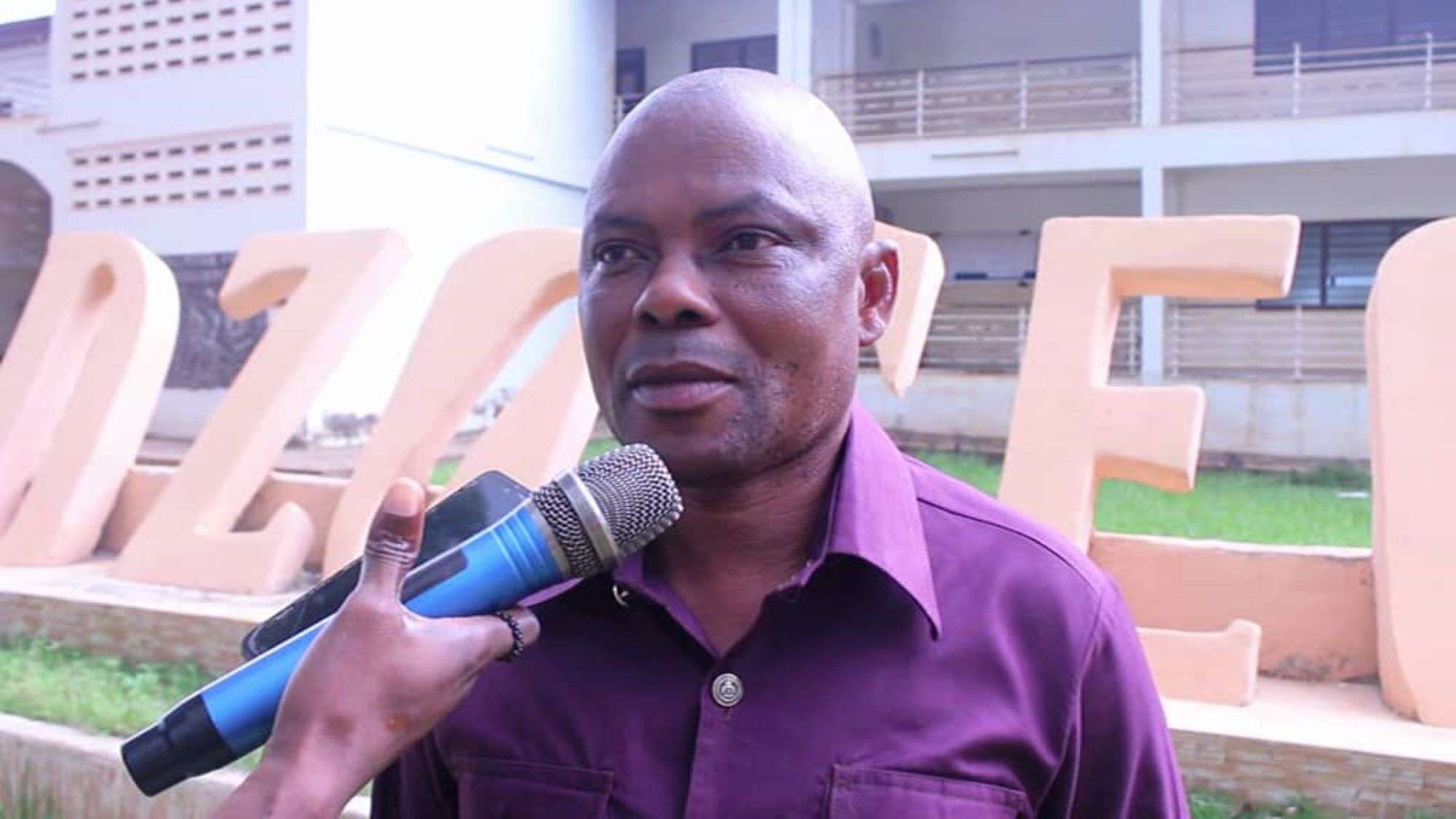
The Ranking Member on the Foreign Affairs Committee of Parliament and Member of Parliament (MP) for Damongo, Mr. Samuel Abu Jinapor, said Parliament and the Ghanaian public deserve to know precisely how the funds were utilised.
His demand followed an announcement by the Minister for Foreign Affairs, Mr. Samuel Okudzeto Ablakwa, that the government spent a total of GH¢49,721,786 on the evacuation and reintegration exercise.
The disclosure has raised questions about the cost of the operation, particularly because the total expenditure translates into an average cost of approximately GH¢25,000 per evacuee.
Of the amount, Mr. Ablakwa said GH¢38,835,512 was spent on a range of evacuation-related services.
The Minority demands clarity on the relationship between the GH¢38.8 million reportedly spent on specified evacuation services and the remaining amount contained in the overall GH¢49.7 million expenditure.
According to the Foreign Affairs Minister, the expenditure covered chartered flights, air tickets, ground transportation, feeding, hotel accommodation, medical care and hospitalisation in South Africa, among other associated costs.
However, Minority noted that the figures disclosed so far do not provide the detailed breakdown to establish whether the expenditure represented value for money.
Mr Jinapor argued that a single aggregate figure does not sufficiently demonstrate how public funds were used.
The Damongo MP stressed that the Minority had supported the government’s decision from the beginning, particularly given the circumstances that necessitated the evacuation.
Nonetheless, he insisted that the government’s responsibility to protect citizens must go hand in hand with responsibility for managing public funds.
“Transparency is absolutely important. Value for money is important,” Mr Jinapor said.
He pointed to the size of the expenditure and the number of people evacuated as reasons for greater scrutiny.
“If you take the figures the Ministry has put out, they are suggesting that they spent close to GH¢50 million to evacuate about 2,000 Ghanaians. If you do the arithmetic, it means the government spent GH¢25,000 per evacuee,” he said.
The MP emphasised that the calculation should not necessarily be interpreted as proof of financial wrongdoing but argued that it makes a detailed expenditure statement even more necessary.
Mr Jinapor disclosed that the Minority’s demand for information did not arise only after the latest public disclosure.
Steps already taken
The Ranking Member on the Foreign Affairs Committee said the Minority had already taken formal steps to obtain the financial details approximately a month and a half ago, including invoking provisions of Ghana’s “Right to Information Act”.
He said the Minority formally requested information on the expenditure, including an “itemised bill”, and had also filed questions in Parliament.
“We, the Minority, as far back as a month and a half ago, acted pursuant to the provisions of the Right to Information Act and requested the details of this expenditure, including an itemised bill. We have even filed questions in Parliament,” he stated.
The revelation means the latest public demand is part of an ongoing parliamentary effort to obtain the financial records rather than a new political response to the Minister’s disclosure.
Background
The evacuation exercise followed security concerns involving Ghanaian nationals in South Africa, including reports of “xenophobic attacks,” and threats to the safety of foreigners.
The situation generated concerns over the welfare of Ghanaian nationals and increased pressure on the government to take steps to protect citizens living and working in South Africa.
The government subsequently undertook the evacuation process, bringing affected Ghanaians back to Ghana while also making arrangements relating to their transportation, accommodation, feeding and medical needs.
The Minority said it recognised the government’s constitutional and moral responsibility to intervene when Ghanaian citizens abroad face serious threats.
Mr Jinapor therefore stressed that the call for financial details should not be misconstrued as opposition to the evacuation itself.
The Minority’s position is that there are two separate issues at stake: the government’s decision to evacuate vulnerable citizens and the financial management of that operation.
The first, according to Mr Jinapor, was a decision the Minority supported.
The second, however, must be subjected to parliamentary and public scrutiny because the exercise involved tens of millions of Ghana cedis in public funds.
The lawmaker said transparency was necessary not only to satisfy Parliament but also to protect the credibility of the government and strengthen public confidence in the management of state resources.
“It will be useful for the Ministry to put out the details. It is very much in the interest of transparency, good governance, and national interest for us to know what went into the expenditure,” he said.