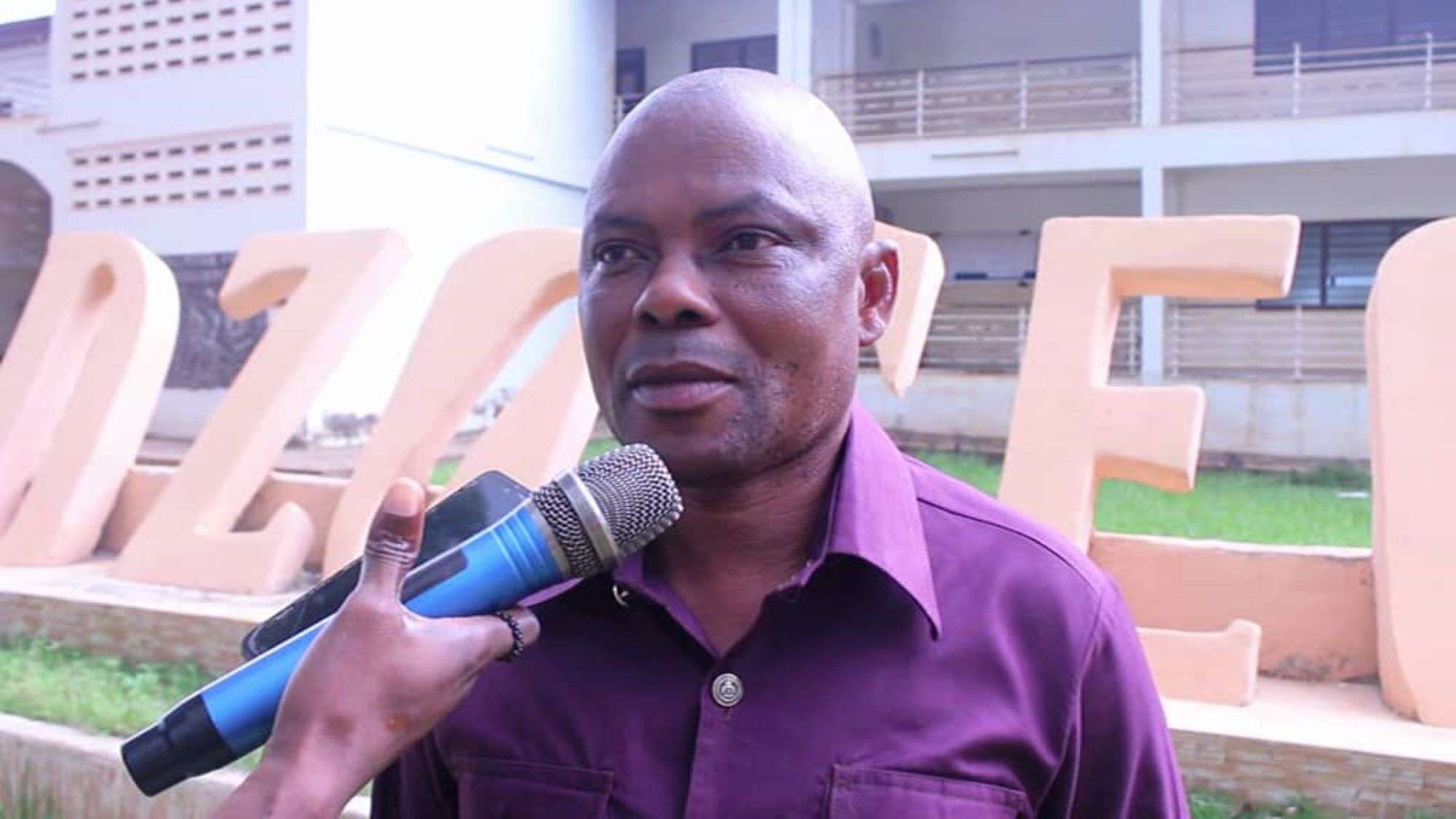


Godlove Adjei Tenkorang, a private legal practitioner, has called on the government to be transparent about how proceeds from the GH¢1 fuel levy, known as the dumsor levy, are being used, warning that a lack of accountability could erode public confidence.
He employed a religious analogy to underscore the importance of accountability in public finance.
Speaking on Kumasi-based Angel FM, he said “If church members pay an offering and they do not see results from the money, they become hesitant to give more.”
He explained that the same principle applies to governance, where citizens expect visible outcomes from taxes and levies collected. “This is a metaphor to show that the government must account to the people on the 1 cedi levy being collected from fuel.”
Tenkorang stressed the need for clear and consistent communication on how the funds are being utilised. “We should be told if the intent for which these monies were collected has been achieved or is in the process of being achieved.”
He added that greater transparency would help reduce public suspicion and speculation. “They should communicate to the people on what has been done so it does not leave room for speculation.”
Expressing concern about the current situation, he suggested that the impact of the levy is not visible to citizens. “As it stands now, we do not see what has been done with the money.”
He concluded by criticising what he described as a broader governance challenge. “It seems accountability is so difficult for governments and political officials.”
The proposed levy has already sparked public debate, with some civil society groups and energy analysts raising concerns about its potential impact on livelihoods and business operations.
The GH¢1 fuel levy, widely referred to as the “Dumsor Levy,” has been described as draconian, hypocritical, daylight robbery, and a betrayal of public trust.
The Minority caucus has drawn sharp comparisons between the Electronic Transfer Levy (E-Levy), introduced by the previous New Patriotic Party (NPP) administration, and the newly imposed Energy Sector Levy, dubbed the “Dumsor Levy (D-Levy),” arguing that the latter is more burdensome and unjustified.
Kojo Oppong Nkrumah and George Kwame Aboagye, ranking members on the Economy and Energy Committees respectively, outlined several key differences between the two levies.
Oppong Nkrumah, who also serves as Member of Parliament for Ofoase-Ayirebi, reminded Ghanaians that the E-Levy was openly presented in the national budget, followed by town hall meetings and extensive public consultations.
Background to the levy
Energy sector levies were originally introduced to help reduce Ghana’s mounting energy sector debts and support the financial recovery of the power and petroleum subsectors.
Over time, however, critics have argued that limited transparency and insufficient progress in addressing the underlying issues have weakened the justification for such levies.
With Ghanaians already grappling with high fuel costs, public sentiment has increasingly shifted toward calls for tax relief, particularly as the country continues its economic recovery following a debt restructuring process.