
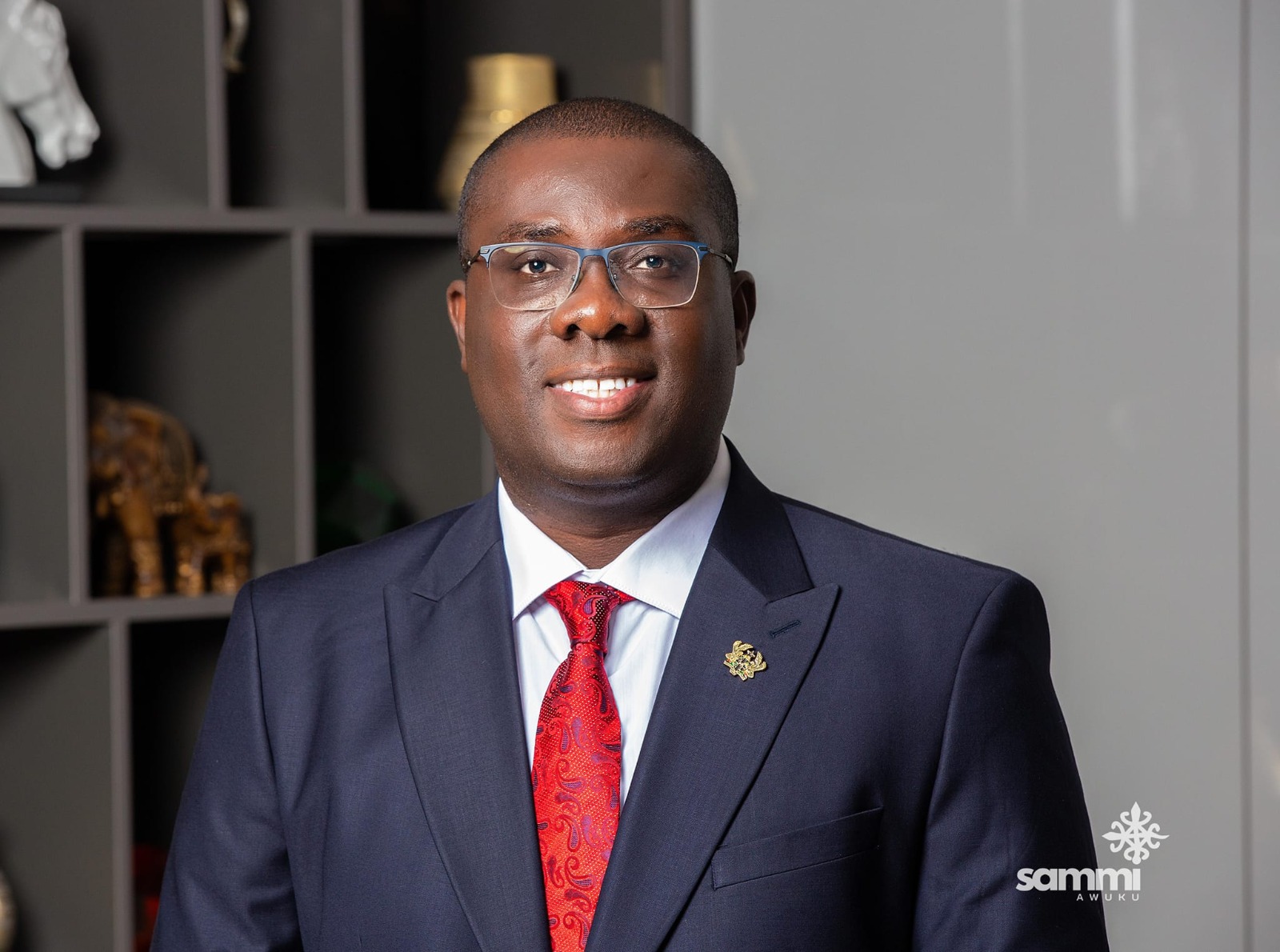
Member of Parliament for Akuapim North, Sammi Awuku, has called on President John Dramani Mahama and the Minister of Energy and Green Transition to urgently address the ongoing intermittent power supply challenges, popularly known as dumsor, warning that the situation is disrupting students preparing for national examinations.
He said the timing of the power outages is particularly worrying, as thousands of final-year students across the country are either currently writing their examinations or actively preparing for them under intense academic pressure.
“We’re all experiencing it again, this on-and-off power situation and honestly, it’s becoming quite worrying,” he stated in a social media post, reflecting growing public concern over recent electricity supply instability.
According to him, the disruption is affecting both the West African Senior School Certificate Examination (WASSCE) candidates and those preparing for the Basic Education Certificate Examination (BECE), two of the most important academic milestones in Ghana’s education system.
He explained that WASSCE candidates began their practical examinations on April 21, 2026, while BECE candidates are scheduled to begin their exams on May 4, 2026. This period, he noted, is critical for revision, focused study, and final preparation.
At such a crucial stage, he said, unstable electricity supply is creating avoidable barriers to effective learning. Students who depend on consistent lighting to read, revise, and complete assignments are being repeatedly interrupted by power cuts, which disrupt concentration and reduce productivity.
“When lights go off in the middle of studying, it breaks concentration, slows learning and in some cases creates unnecessary anxiety,” he said, stressing the psychological and academic toll the situation is having on young learners.
Mr Awuku further noted that while students are under significant pressure to perform well, examination bodies such as the West African Examinations Council (WAEC) will not make allowances for challenges related to electricity supply during assessment.
“WAEC will not consider whether there was light to study or not, the exams will go on regardless,” he stated, highlighting what he described as an unfair burden on students who are already operating under difficult conditions.
He warned that if the situation persists, it could negatively affect overall performance and undermine the efforts of students who have worked hard throughout their academic journey. According to him, fairness in education requires not only quality teaching and learning materials but also a stable environment that supports preparation.
Beyond students, the MP also acknowledged that the recurring power outages are affecting a wider section of the population. He noted that households, young entrepreneurs, and small business owners are also bearing the brunt of the unstable electricity supply.
Small businesses, in particular, rely heavily on consistent power to operate efficiently, especially those in sectors such as retail, services, and light manufacturing. Interruptions in electricity supply can lead to loss of income, reduced productivity, and increased operational costs due to the use of alternative power sources such as generators.
For households, he said, the situation is equally frustrating, as families struggle with disrupted routines, reduced comfort, and increased uncertainty in daily life. He stressed that the cumulative impact of these challenges is placing additional pressure on already strained living conditions.
Mr Awuku, therefore, urged the government to treat the issue with urgency, particularly given its impact on education at a sensitive time in the academic calendar. He called for immediate steps to stabilise the power supply to ensure that students are not disadvantaged during examinations.
“So this is a sincere and urgent appeal to the President of the Republic and the Minister of Energy and Green Transition to urgently address the power situation,” he said, emphasising the need for swift intervention.
He added that while broader energy sector challenges may take time to resolve, immediate measures must be taken to protect students and ensure a fair academic environment. In his view, safeguarding education during examination periods should be a national priority.
“At the very least, let’s ensure our students are given a fair and stable environment to prepare for and write their exams,” he stated, reiterating his call for urgent action.
His comments come amid growing public concern over intermittent power outages in various parts of the country, with many citizens reporting disruptions to work, education, and household activities.
The issue has once again placed energy reliability at the centre of national discourse, especially as Ghana continues to pursue long-term reforms in its power sector.
As examination season intensifies, stakeholders in education and industry alike are calling for immediate and sustained solutions to ensure that essential services such as electricity remain stable, particularly during critical national periods.