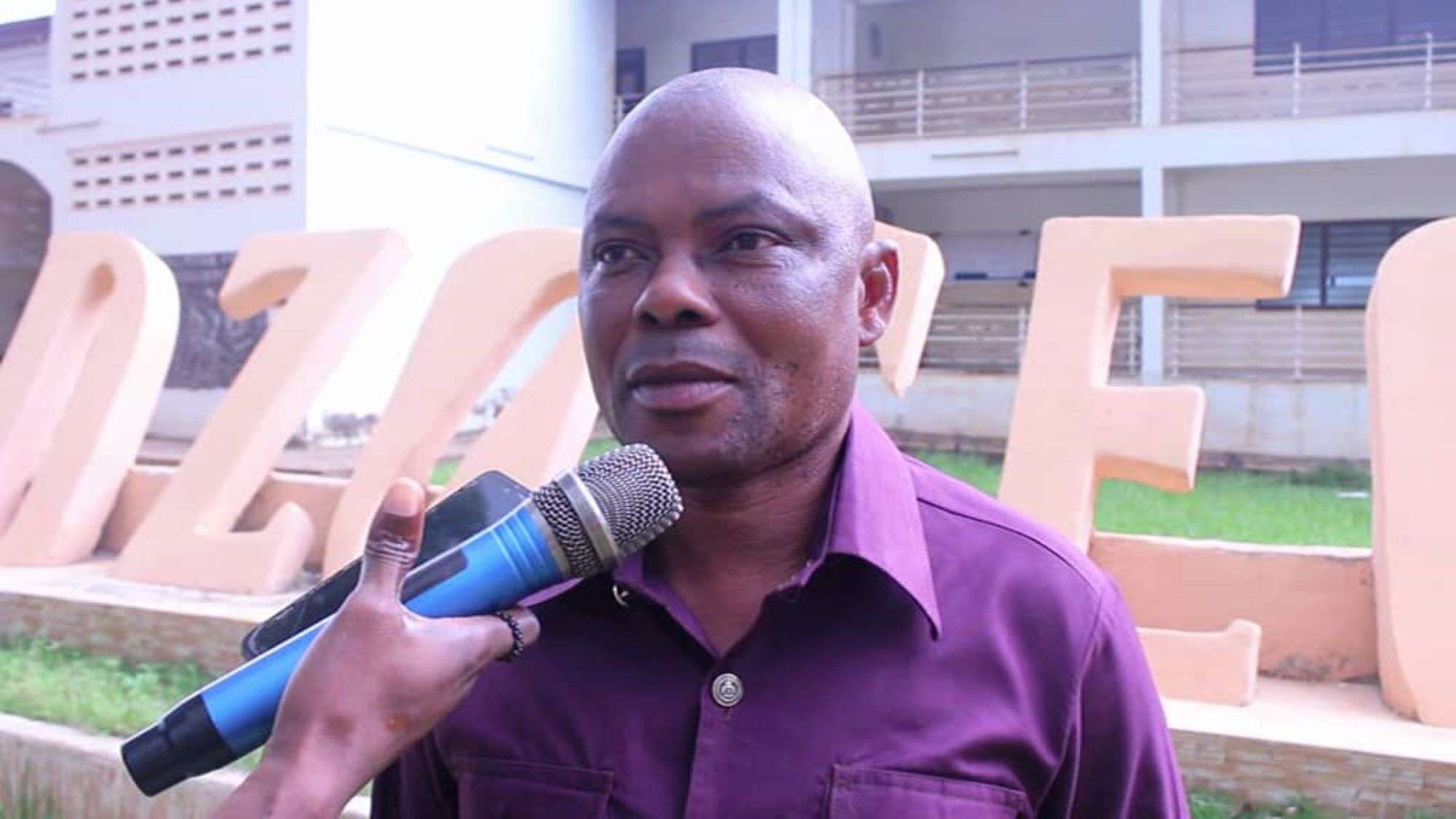

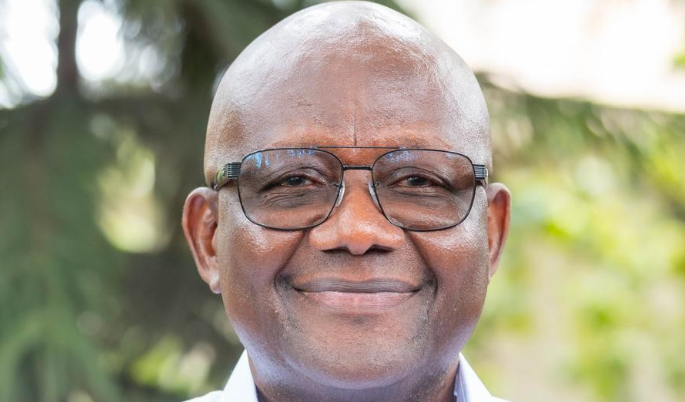
Paul Awentami Afoko, a leading contender for the National Chairman position of the New Patriotic Party, has called on the party’s tertiary students network to place unity at the heart of efforts aimed at reclaiming power in the 2028 general elections.
The appeal was made during the Blue Dialogue, a programme organised by the Kwame Nkrumah University of Science and Technology branch of the Tertiary Students Confederacy Network. The event carried the theme “Energizing the Base for Victory 2028” and brought together student leaders, party activists and other supporters at the university campus.
Addressing the gathering, Mr. Afoko underscored that electoral success remains impossible for any political organisation that allows internal fractures to undermine its collective strength. He positioned unity as the single most important asset the NPP still possesses and urged the youth wing to reject every form of factional behaviour in favour of a shared national purpose.
“My fellow patriots, every successful political party is built on unity of purpose. No political party can achieve victory while divided against itself,” he said.
He went further, warning the young activists against turning on one another and reminding them that they share membership of a single political family rather than competing camps.
“I hope and pray that amongst you young ones here, you are not doing that. Don’t turn on yourselves. We are one party,” he stated.
Mr. Afoko drew lessons from the party’s own history, noting that its most significant electoral breakthroughs had always occurred when members set personal and group differences aside and concentrated on the broader ideals that define the NPP. He argued that internal disagreements, while inevitable, must never be permitted to harden into lasting divisions capable of weakening the organisation.
“History teaches us that the NPP is strongest when we stand together and weakest when we allow differences to become divisions. We can have differences, but those differences should not divide us. Our tradition has always accommodated diverse views, different personalities and difficult debates,” he noted.
Expanding on that point, he described open disagreement as a healthy feature of democratic life, yet insisted that such exchanges must never descend into personal hostility. The party, he emphasised, is the collective property of every member, from the earliest founders to the newest generation of student organisers.
“Democracy thrives on disagreement; however, disagreement must never become hostility. The NPP belongs to all its members. It belongs to the founding generation who sacrificed for this party, it belongs to polling station executives, regional leaders, Members of Parliament, party leadership and the young men and women of TESCON who represent the future,” he said.
In a direct call for internal reconciliation, Mr. Afoko identified the healing of past grievances and the restoration of mutual trust as the most urgent priorities facing the party. He argued that attention should shift away from questions of factional loyalty and towards the practical work of rebuilding a genuine sense of family among members.
“The first task before us is to heal old wounds, rebuild trust and restore a sense of family within our ranks. Our focus should not be about who belongs to which faction,” he added.
The remarks come at a time when the NPP continues to reflect on its performance in the 2024 elections and begins the longer process of preparing for the next electoral cycle. Student networks such as TESCON have traditionally served as important recruitment and mobilisation platforms, and party leaders increasingly view their cohesion as essential to any credible attempt at a return to power.
Observers at the KNUST event noted that Mr. Afoko’s message of unity was received with sustained applause, particularly from the younger participants. Several student executives later described the speech as a timely reminder that the party’s internal culture will determine its external competitiveness.
Throughout his address, the National Chairman hopeful returned repeatedly to the idea that the NPP’s strength has always rested on its capacity to absorb diverse opinions without allowing those opinions to fracture the organisation. He portrayed TESCON members as both the immediate beneficiaries and the future custodians of that tradition, urging them to model the inclusive spirit he believes must guide the party through the coming years.
By framing unity not merely as a slogan but as a practical foundation for electoral recovery, Mr. Afoko sought to elevate the conversation beyond short-term factional calculations. His intervention at the Blue Dialogue therefore stands as one of the clearer statements yet from a senior aspirant on the internal conditions required for a successful 2028 campaign.
Party activists present indicated that similar dialogues are expected across other tertiary campuses in the coming months as the NPP seeks to re-energise its base and close ranks ahead of the next national contest.