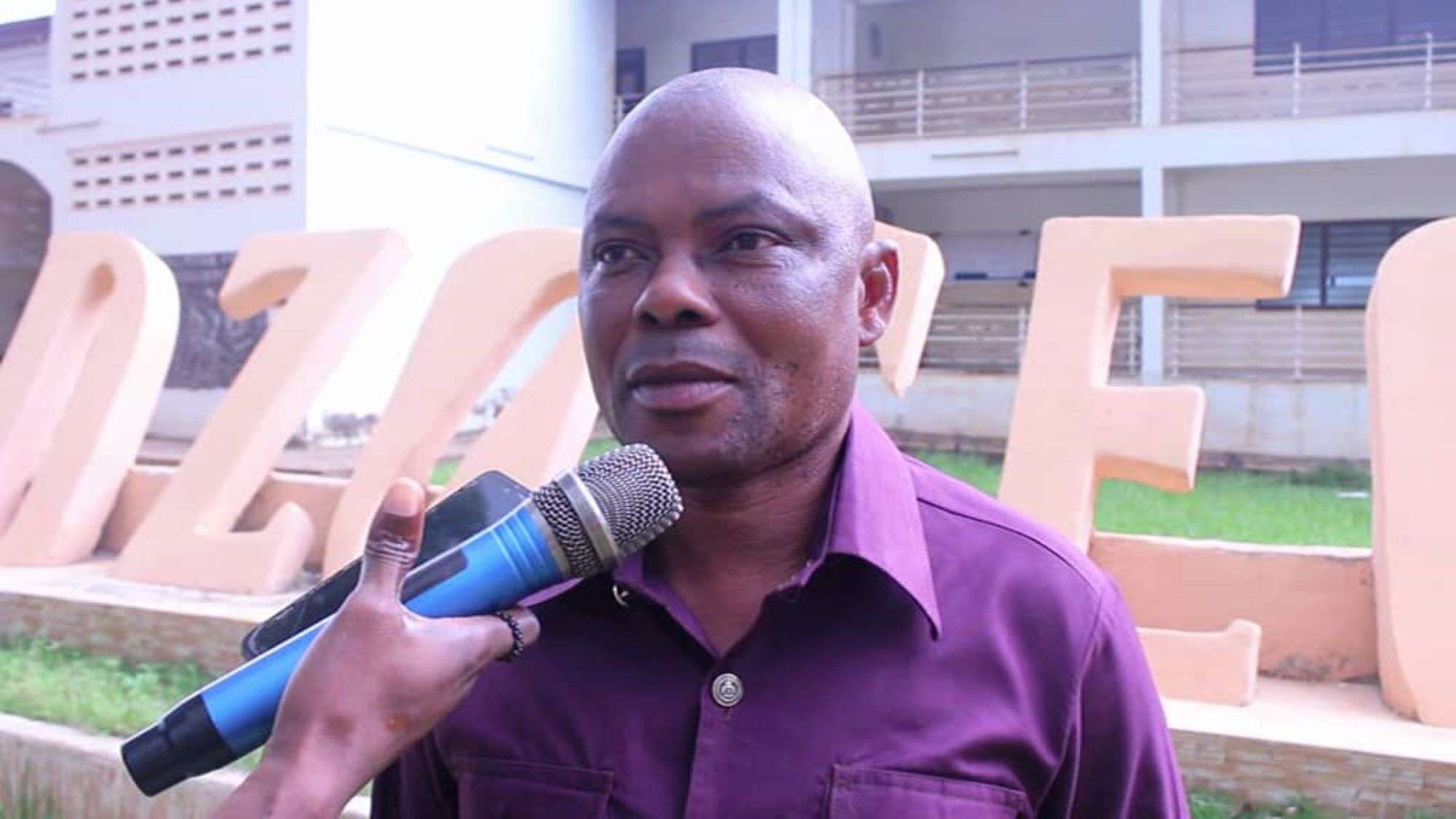

A fresh controversy has erupted over Ghana’s ongoing galamsey crisis, following strong criticism from George Krobea Asante, Deputy Communications Director of the NPP, against the Chief Executive Officer of the Ghana Free Zones Authority.
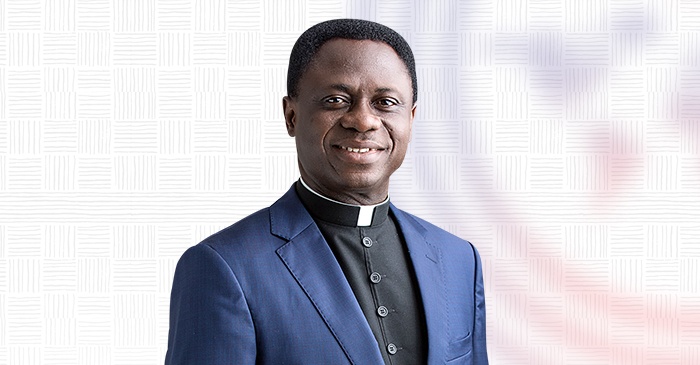
In a statement dated April 24, 2026, Asante condemned what he described as “unfortunate, reckless, and highly disrespectful” remarks made by the CEO toward the Chairman of The Church of Pentecost. The criticism comes after the church leader publicly addressed the worsening impact of illegal mining, commonly known as galamsey, on the country.
Asante expressed shock at what he sees as growing intolerance from elements within the ruling government, arguing that criticism of galamsey was previously encouraged when it served political interests.
He pointed out that during the administration of Nana Akufo-Addo, civil society groups, clergy, and activists were vocal about environmental degradation, with their concerns gaining support from opposition figures at the time.
He referenced activists such as Oliver Barker-Vormawor and movements like the Fix The Country Movement, noting that their protests and advocacy were embraced when they aligned with political narratives.
However, according to Asante, the situation appears to have shifted under the current administration of John Dramani Mahama. He argued that despite the continued deterioration of Ghana’s water bodies and natural resources, individuals who speak out are now being “attacked and intimidated.”
“The critical question remains: has galamsey suddenly been normalised under this administration?” Asante questioned.
He further described it as troubling that government appointees would target religious leaders instead of addressing the environmental destruction caused by illegal mining. Emphasizing constitutional rights, Asante insisted that the Chairman of the Church of Pentecost, like all citizens, is entitled to speak on national issues without fear of insults or political pressure.
Asante called on President Mahama to take immediate action by publicly condemning the CEO’s comments and removing her from office if he is committed to accountability and democratic tolerance.
He warned that failure to act could reinforce perceptions that the government is hostile toward dissenting voices. “As a Church, we will advise ourselves,” he concluded, hinting at possible future actions if the situation remains unaddressed.
The development adds another layer to the national conversation on galamsey, an issue that continues to dominate public discourse due to its far-reaching environmental and economic consequences.