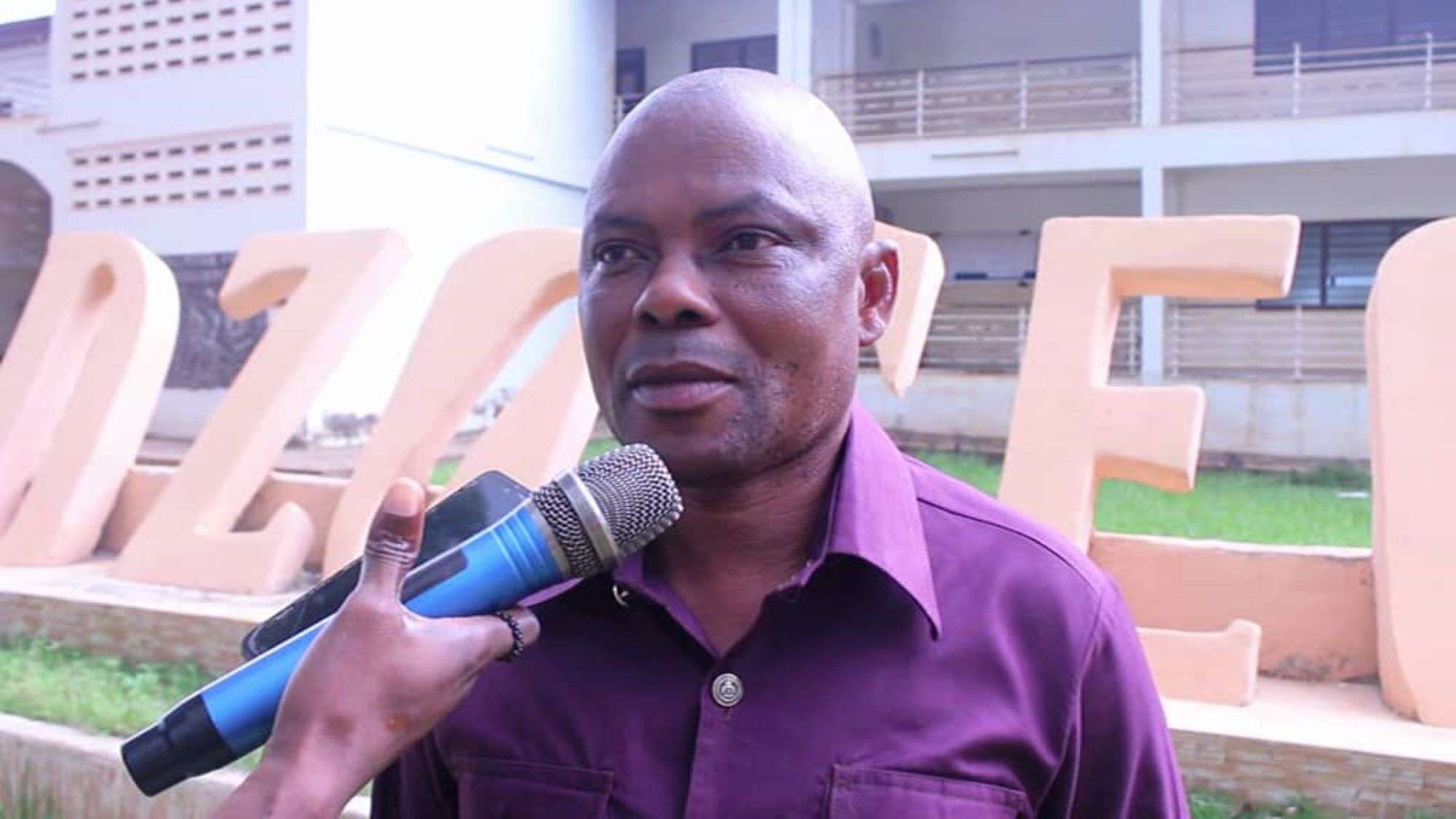


Former Member of Parliament for Tamale Central, Alhaji Inusah Fuseini, has described the ongoing misunderstanding between the Attorney-General (AG) and the Office of the Special Prosecutor (OSP) as “needless” and damaging to Ghana’s anti-corruption efforts.
Speaking on Okay FM’s “Ade Akye Abia” show hosted by Kwame Nkrumah Tikese, the former lawmaker and legal practitioner said both offices were created to serve the same purpose — to uphold accountability and protect the public purse — and must therefore work together, not against each other.
“It is a needless fight. When we were setting up the OSP, we gave it a specific jurisdiction and mandate — to fight corruption, corruption-related offences, and breaches of the Procurement Act,” Fuseini explained.
He noted that while the Attorney-General retains the State’s prosecutorial powers under ‘Article 88(3)’ of the 1992 Constitution, the Special Prosecutor’s office was deliberately designed to operate with ‘prosecutorial, operational, and financial independence’ to insulate it from political interference.
“The OSP is not under the Attorney-General. It is an independent prosecutorial institution that only draws certain powers from the AG’s office,” he clarified.
Touching on the ongoing case involving former Finance Minister Ken Ofori-Atta, who has been declared wanted by the OSP, Inusah Fuseini said different state bodies have distinct roles in such investigations.
“If the case involves money laundering, EOCO will handle it; if it’s forgery, the Police will. But if it’s corruption or breaches of the Procurement Act, that’s the OSP’s jurisdiction,” he said.
According to him, the OSP possesses full police powers, including the authority to seize assets believed to be proceeds of corruption.
“If the OSP has reason to believe that a house or car was acquired through corrupt means, it can seize it and later seek confiscation through the courts. It does not need the AG’s permission to go to court,” Fuseini stated.
However, he explained that matters of extradition remain under the Attorney-General’s authority as the State’s legal representative, meaning the OSP must hand over dockets when suspects flee the country.
“That’s where their paths cross. The OSP can investigate and prepare a case, but the AG is the one who must initiate extradition to bring back suspects like Ken Ofori-Atta to face trial,” he said.
The former MP, who chaired Parliament’s Constitutional, Legal and Parliamentary Affairs Committee during the drafting of the OSP Bill, recalled that Ghana’s team studied similar institutions in countries like Singapore to ensure best practices.
“In Singapore, a minister accused of corruption fled to Malta and lived there for over 30 years. He was eventually extradited, prosecuted, and died in prison. So what’s happening in Ghana is not new,” he recounted.
Inusah Fuseini urged the Attorney-General and the Special Prosecutor to avoid public confrontations, warning that such disputes weaken public faith in both institutions.
“Any fracas or confusion between the AG and OSP reduces Ghanaians’ confidence in both. They were not established to work as silos — collaboration is essential,” he stressed.
He further advised that investigators must act strategically and not disclose every detail of their work to the public.
“Criminals are always ahead of prosecutors. You don’t fight crime in the open; transparency is important only at the prosecution stage,” he noted.
Concluding, the former legislator touched on comments by people who want to trivialize the office of the Special Prosecutors. He said the mere existence of the OSP serves as a strong deterrent to corruption and must be supported by all stakeholders.
“The presence of the OSP alone prevents people from committing crimes with impunity. You can’t put a price on that,” he said.