
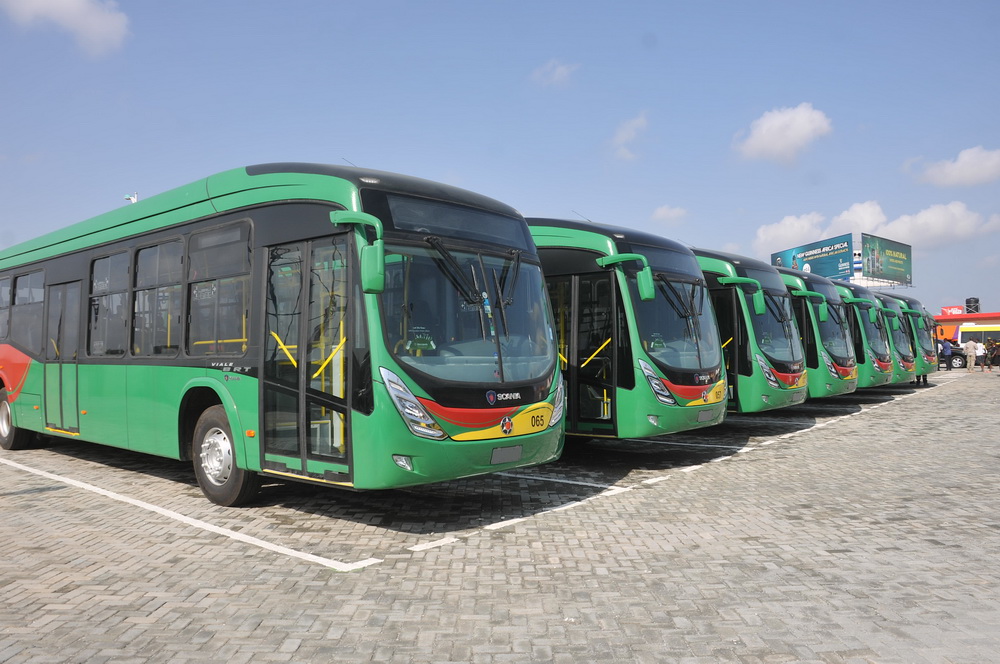
An audit of Ghana’s publicly funded transport fleet has uncovered a striking lapse in performance: 60 buses procured under the Aayalolo Bus System and later transferred to Kumasi have failed to generate any revenue since their relocation in 2018.
The revelation has intensified scrutiny over how state transport assets are managed, pointing to gaps in oversight, efficiency, and accountability. Originally introduced in Accra to support the Bus Rapid Transit (BRT) system, the buses were later reassigned to Kumasi as part of efforts to improve mobility in the Ashanti Region.
To clarify what went wrong, the Managing Director of the Greater Accra Passenger Transport Executive (GAPTE), Awudu Dawuda, commissioned an independent audit. The review is expected to determine how the buses were transferred, how operations were handled, and what became of any expected revenue.
The audit report paints a troubling picture: despite the considerable public investment in acquiring and maintaining the fleet, none of the 60 buses has delivered financial returns to either the state or transport authorities over the years. Investigators attributed the situation to a mix of logistical setbacks, weak maintenance regimes, and unclear governance structures.
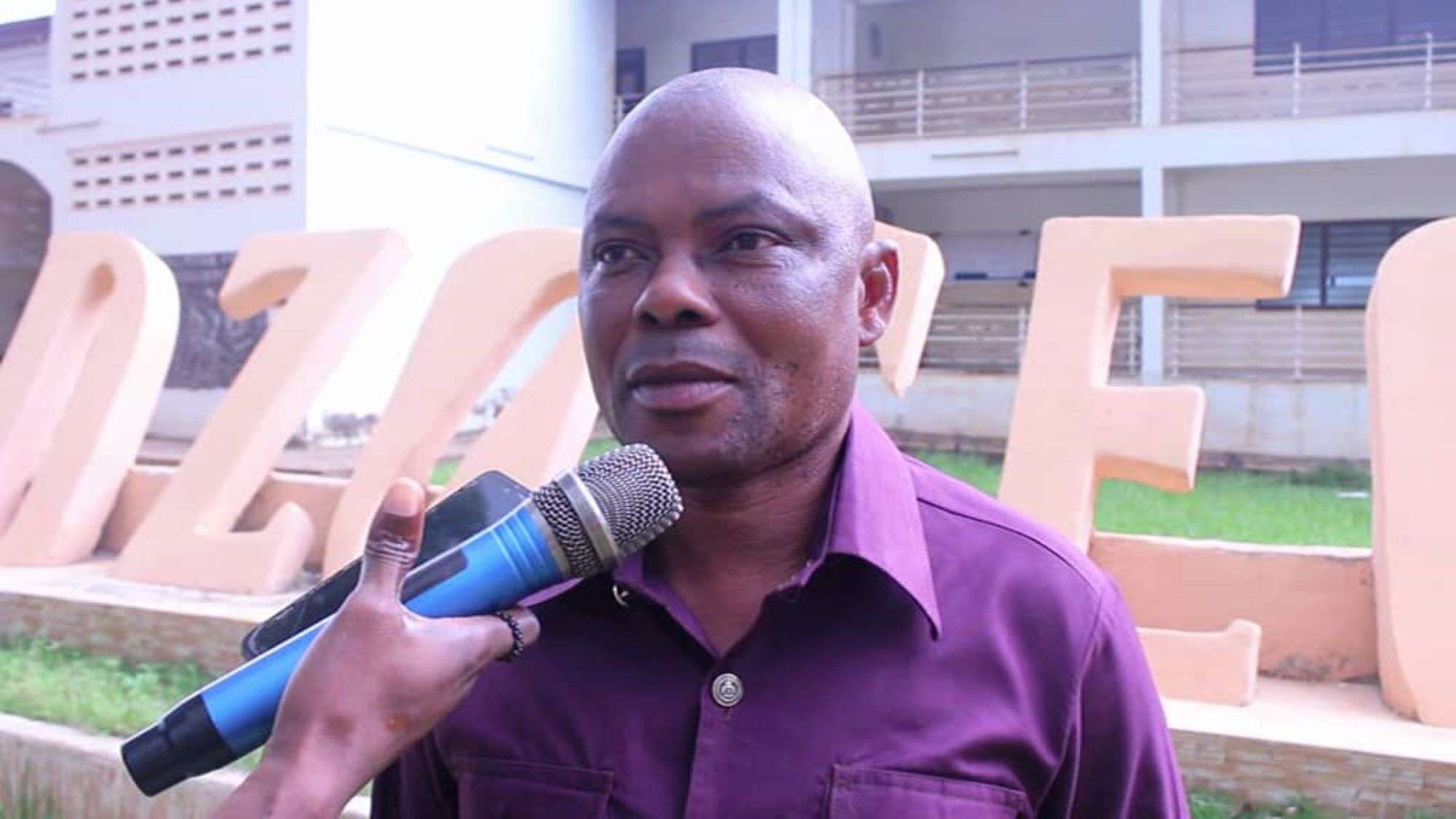
Speaking to the Daily Graphic, Dawuda explained that the exercise forms part of a broader effort to recover assets and rebuild the BRT system. He disclosed that when he assumed office six months ago, it emerged that 60 out of 245 buses originally designated for Greater Accra had been moved to Kumasi, while an additional 10 were sent to Takoradi.
Preliminary checks into operations in Kumasi revealed a complete absence of revenue flows to GAPTE since 2018.
“The problem is that ever since the buses were taken to Kumasi in 2018, not even a single pesewa was received as revenue to GAPTE; there was no proper plan for these buses – they were sent there without recourse to law, and revenues never came to GAPTE since 2018,” he said.
Further findings suggest the buses were handed over to the Kumasi Metropolitan Assembly (KMA) in 2018, with GAPTE engineers handling most repair works, funded by the assembly.
Dawuda noted that the audit team will probe deeper into the transfer process, revenue handling, and incidents surrounding the destruction of six buses by fire.
“The audit team will establish the circumstances under which the buses got to Kumasi: who received them; how revenues were managed; and the circumstances under which six of the buses got burnt,” he said.
With backing from the Minister of Local Government, Chieftaincy and Religious Affairs, Ahmed Ibrahim, GAPTE has since taken control of the remaining 54 buses in Kumasi. Efforts are also underway to reclaim the 10 buses located in the Western Region.
However, the situation on the ground remains challenging. Of the 54 buses retrieved in Kumasi, only 16 were operational at the time of takeover.
“Since we started operating those 16 buses two weeks ago, we are getting very good revenue; so, we are taking steps to fix the other buses and put them to use,” he said.
A system under strain
According to Dawuda, the Kumasi case reflects wider structural issues inherited by the current administration. Of the 245 buses procured in 2016, only 80 were in working condition due largely to poor maintenance practices.
He also highlighted widespread encroachment on key GAPTE terminals, including those at Kasoa, Adenta, Kinbu, and Achimota, along with mounting debts linked to fuel purchases dating back to 2018.
Signs of recovery
Despite these setbacks, GAPTE has begun implementing reforms aimed at restoring efficiency. Dawuda reported that repair efforts have increased the number of operational buses from 80 to 140, with extended service hours now running until 11 p.m.
Encroached terminals have been reclaimed, and upgrades are underway, including the introduction of a passenger waiting area at the Kinbu terminal. The Achimota depot has also been refurbished to serve as a central hub for maintenance and repairs.
Looking ahead
As part of efforts to improve traffic flow and reduce congestion, GAPTE is working to reinstate dedicated lanes for Aayalolo buses. The initiative has secured preliminary backing from the Spanish government, including a €1 million grant for feasibility studies.
Dawuda added that in collaboration with city authorities and the Ghana Police Service’s Motor Traffic and Transport Division, steps are being taken to enforce the use of these lanes.
“Very soon, the Aayalolo buses will start operating on the dedicated lanes. The letters have been sent out already, and we will meet the Motor Traffic and Transport Division (MTTD) of the Ghana Police Service to start enforcement,” he said.