
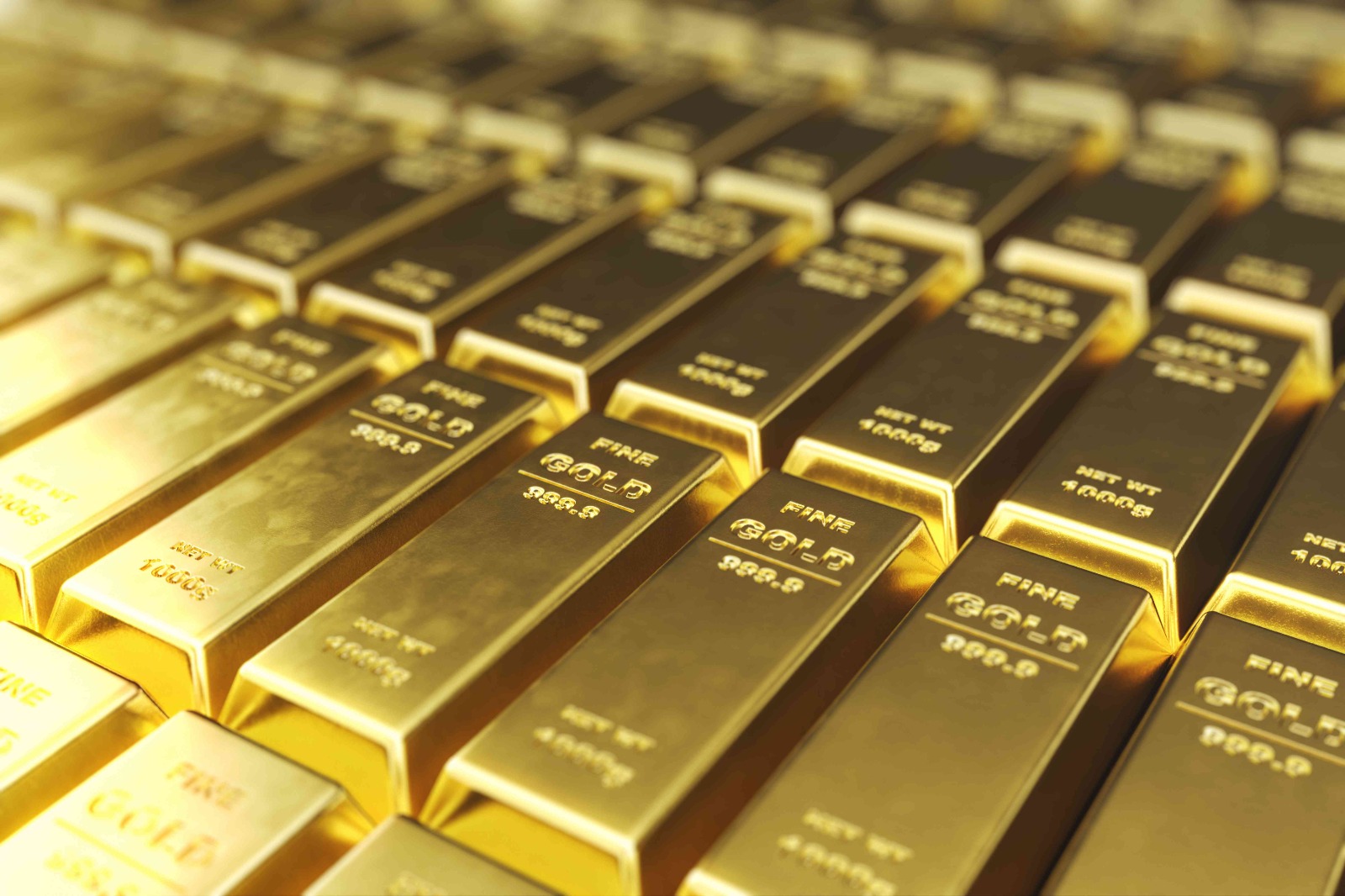
A new International Monetary Fund (IMF) report has shown that the Bank of Ghana incurred losses of more than $1.7 billion through its Domestic Gold Purchase Programme (DGPP) in 2025. Although, the initiative played a major role in rebuilding Ghana’s foreign exchange reserves and stabilising the local currency.
The findings are contained in the IMF’s 2026 Article IV Consultation and proposed Policy Coordination Instrument (PCI) report. This report identified the DGPP as the central bank’s leading channel for foreign exchange inflows during the year.
The Fund said the programme’s rapid growth came at a significant financial cost. It estimated losses of over $1.7 billion, representing 1.5% of GDP. Nearly all of the amount arose from the acquisition of doré gold under the Gold for Reserves (G4R) initiative.
“The significant scaling up of DGPP operations led to losses of over $1.7 billion (1.5% of GDP), almost entirely related to G4R doré purchases; this amounted to a loss of 17% of the value of doré gold sold by the BoG,” the IMF said.
The report attributed the losses to multiple factors, including payments made to GoldBod for assay and related services. Additionally, discounts were applied when gold was sold to off-takers. There were also exchange-rate differences between the forex bureau rate used to buy gold and the reference rate used for the Bank of Ghana’s financial reporting.
While some of the losses reflected accounting valuation effects rather than direct economic expenses, the IMF noted that they still weakened the Bank of Ghana’s balance sheet. This resulted in transfers to entities purchasing foreign exchange at the official reference rate.
The Fund also pointed out that the reported losses did not capture the costs of sterilising the reserves accumulated through the DGPP. By the end of 2025, the central bank’s negative equity had reached 6.7% of GDP.
Even so, the IMF credited the programme with strengthening Ghana’s external financial position.
Gold-related inflows increased dramatically from $1.7 billion in 2023 to $12.7 billion in 2025, including $1.1 billion in net earnings from bullion sales. The increase was largely supported by higher purchases from the artisanal and small-scale mining industry.
The report further described the DGPP as “operationally central” to the sharp growth in Ghana’s gross international reserves under the Extended Credit Facility-supported programme. Gross reserves expanded eightfold to $11.9 billion by the end of 2025. This provided approximately four months of import cover and exceeded the targets agreed under the programme.
The improved reserve position also allowed the Bank of Ghana to increase foreign exchange sales from $1 billion in 2023 to $10.6 billion in 2025. According to the IMF, this enhanced market liquidity and coincided with a 41% nominal appreciation of the Cedi against the US dollar.