
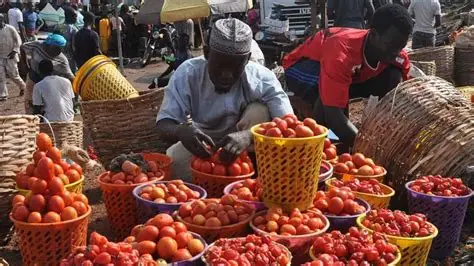
Burkina Faso has officially lifted its ban on tomato exports, signalling a shift in agricultural policy aimed at revitalising trade, supporting local farmers, and stabilising the supply chain across the region.
The export restriction, previously introduced to protect domestic supply and curb rising food prices, had disrupted cross-border trade—particularly with neighbouring countries that rely on Burkina Faso’s tomato production.
While the policy helped ensure local availability during periods of shortage, it also limited income opportunities for farmers and traders who depend on regional markets.
The Ministry of Trade, Agribusiness and Industry said in a statement on Thursday, April 2, 2026, that: “This development is a positive outcome of ongoing bilateral engagements between Ghana and Burkina Faso.”
It further noted that the decision followed one of five key meetings held by Trade Minister Elizabeth Ofosu-Adjare and her Burkinabe counterparts on the margins of the WTO MC14 in Yaoundé, Cameroon, which contributed directly to the removal of the trade restrictions.
The Ministry assured the public that it would continue to collaborate with Burkinabe authorities and local stakeholders to maintain a smooth and mutually beneficial trading environment.
With improved harvest forecasts and increased production capacity, authorities have deemed it appropriate to reopen export channels. The move is expected to benefit thousands of farmers by expanding access to broader markets and improving pricing opportunities.