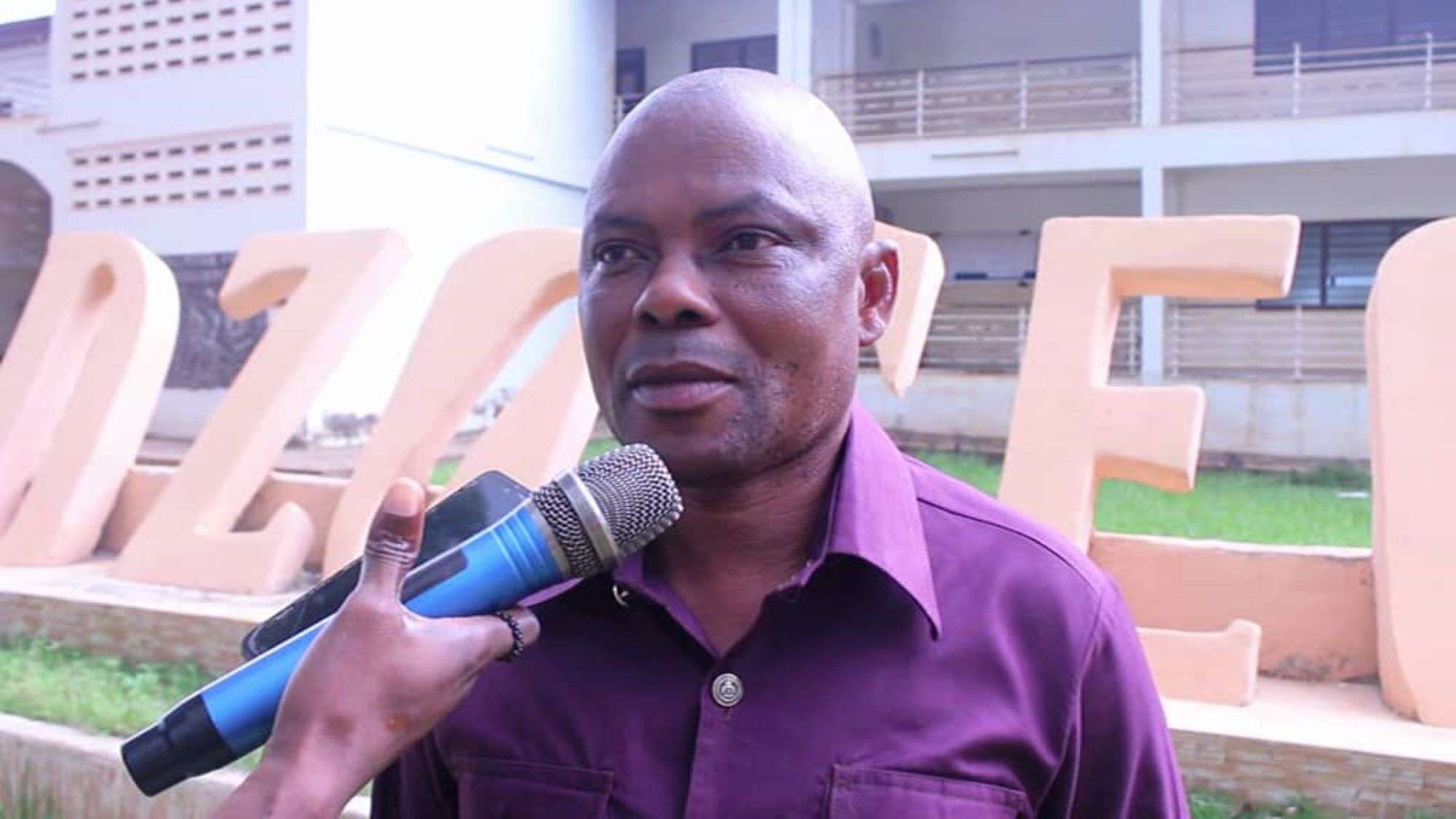

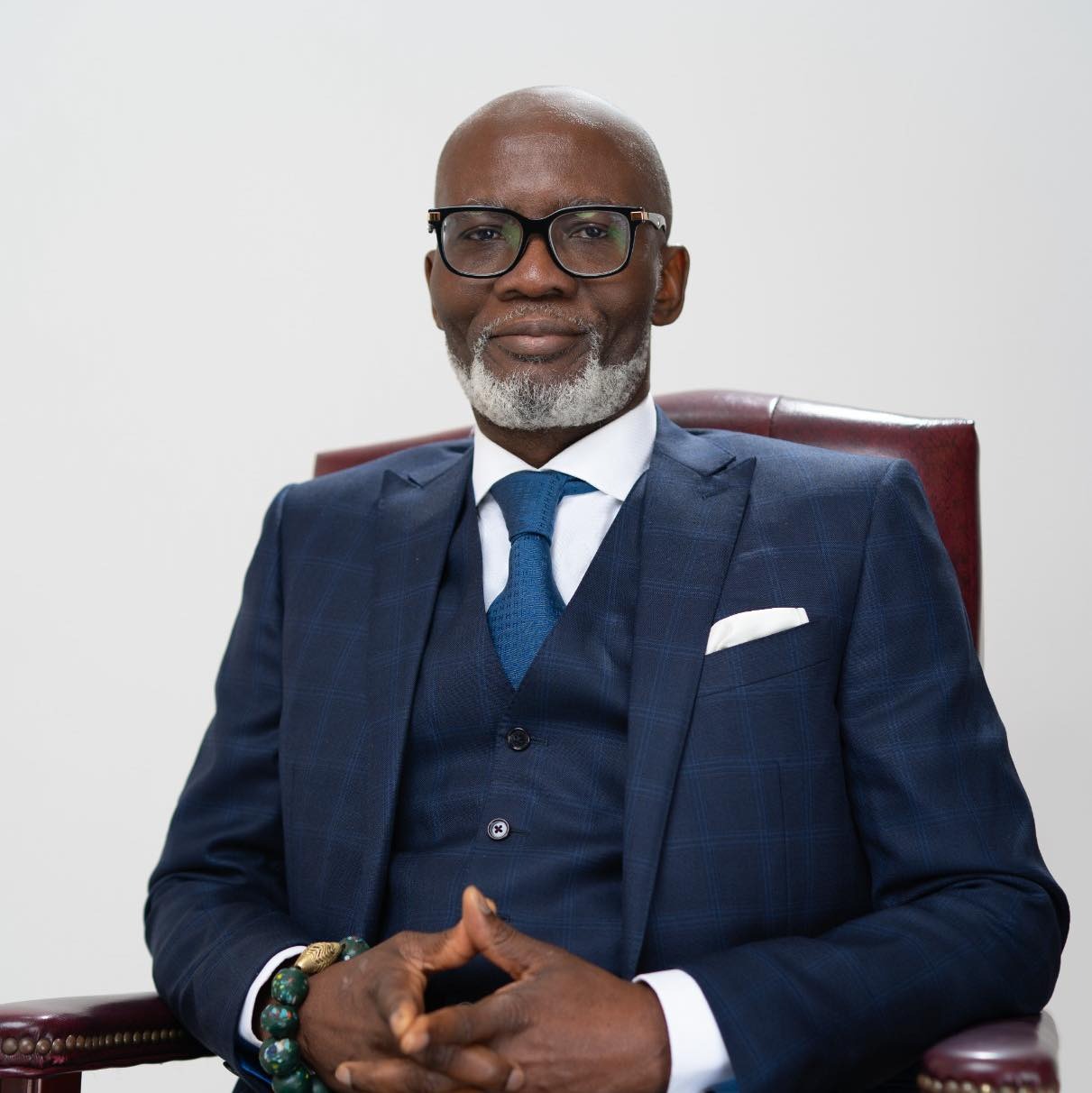
On 6 March, I will be joined by Samia Nkrumah and others, including the architect of the African Union’s Agenda 2063, Dr Nkosazana Dlamini-Zuma, former MP, Ras Mubarak, and two big Ghanaian voices from Africa’s creative industry (Stonebwoy and Sarkodie), for a webinar reflecting on Ghana’s 69 years of independence in the light of the vision of Ghana’s independence leader, Kwame Nkrumah, for a United States of Africa.
Our discussion, celebrating Ghana as the first Sub-Saharan nation to win freedom from colonial rule, will focus on how we achieve Africa’s common market dream with far greater urgency. We will look at two historic approaches to African integration: the gradualist path that defined the operations of the Organisation of African Unity (OAU) in 1963, and the clearer, more structured commitment African leaders set for themselves when they adopted the 1991 Abuja Treaty, establishing the African Economic Community and subsequently the more integration-focused African Union in 2002 and the disappointing reality over lack of collective leadership courage for unity.
But what many people have noticed from the flyer promoting the 6 March event is something else entirely: the image of Samia Nkrumah, an Nkrumaist in both blood and ideology, and myself, a Danquaist in both blood and ideology, appearing on the same platform and seemingly on the same side of an issue.
For much of Ghana’s political history, (certainly before the emergence of JJ Rawlings) Ghana’s national debate was framed around two intellectual traditions embodied by two towering figures: Kwame Nkrumah and JB Danquah.
The Nkrumaist tradition is deeply Pan-Africanist and socialist in orientation. It holds that Ghana’s independence would be meaningless unless it formed part of a broader political unification of Africa. Nkrumah’s famous directive, “Seek ye first the political kingdom” was continental in scope. His vision was a Union Government of Africa: a United States of Africa with a single currency, a common military, and a unified foreign policy.
The Danquaists, (or more aptly, the Danquah–Dombo–Busia tradition, by contrast), have historically been more Ghana-focused. It emphasises liberal democracy, human rights, and free-market economics, with a strong focus on building stable institutions within the nation-state. Danquah believed Ghana, and West Africa, he added, should first succeed as democratic and economically viable states before deeper continental political integration could realistically occur.
What both traditions can agree on today, however, is this: after sixty-nine years of independence, Africa’s progress toward integration is far below what either vision imagined.
For an Nkrumaist and a Danquaist to stand publicly on the same side of an issue might once have seemed almost unthinkable. Yet today, such convergence is both necessary and inevitable. It was Nana Akufo-Addo, whose great uncle was Danquah, who in Kigali in 2018 fought for Ghana to be the headquarters of the African Continental Free Trade Area Secretariat, pushing Ghana’s wholesome commitment to the single market project. That this unity is forged around the unification of Africa, the cause Nkrumah championed above all others, is a powerful testament to the gravity of the moment.
A few weeks ago, I visited Sam Jonah, who accepted the invitation of the Africa Prosperity Network to be a leading champion of the Make Africa Borderless Now! Movement. He could not, however, avoid a friendly jab at me: “We finally welcome you to Nkrumaism!” I responded, “As far as the Africa we want is concerned!”
The rational, pragmatic case for African economic integration has now become so compelling that it increasingly transcends the ideological divides of the past and this must be celebrated. It is precisely why the focus of the 6 March webinar, a review of progress under the 1991 Abuja Treaty, is where the rubber truly meets the road.
African leaders are often brilliant at signing treaties and issuing grand declarations at summits. Yet they have been far less successful at the difficult and often unglamorous work of harmonising laws, simplifying customs procedures, investing in cross-border infrastructure, and dismantling the bureaucratic and corruption networks that thrive on border inefficiencies.
The timeline is striking. In 1991, African leaders adopted the treaty establishing the African Economic Community (AEC). When it came into force in 1994, they set themselves a 34-year roadmap culminating in 2028, by which time Africa was expected to have achieved a functioning common market and key pillars of economic integration, including an African Central Bank.
That deadline is now just two years away. Yet the reality is shamelessly sobering. The African Continental Free Trade Area (AfCFTA), which began trading in 2021 and is meant to accelerate the Abuja Treaty vision, remains far from fulfilling its potential. Implementation has been slow. Non-tariff barriers remain pervasive. The “guided trade initiative” has yet to translate into large-scale, continent-wide trade flows.
A true customs union, with a common external tariff, remains distant. The free movement of people, a cornerstone of Nkrumah’s vision, continues to face resistance from many states. The ECOWAS model of free movement remains the exception rather than the continental norm. And, the dream of a common African currency appears further away than ever, with some of us seeking quick practical refuge in continent-wide mobile money interoperability and tents such as PAPSS.
Our webinar will therefore examine a difficult but necessary question: why has urgency been so lacking? Part of the answer lies in political psychology.
Many post-colonial leaders built their legitimacy and authority around the nation-state. Ceding power to supranational institutions has often been perceived as a loss of sovereignty and personal authority. But should that still be the case today?
Sadly, too many leaders remain trapped in a 1960s mindset of defending borders, rather than embracing the 21st-century necessity of transcending them and seeing a borderless Africa as a better guarantee for sovereignty through peace, security, stability and prosperity.
The 2028 deadline for the full implementation of the Abuja Treaty was a benchmark set by African leaders themselves over three decades ago. To arrive within two years of that milestone with so many pillars incomplete is not merely a failure of planning. It is a failure of political will.
Looking at Ghana’s symbolism, there is also a hopeful signal in the fact that heirs of both the Nkrumah and Danquah traditions can now stand together on this question. It suggests that the ideological battle is now joint in achieving our common destiny as best manifest through our continent’s unity. Reality has settled the debate.
The question before Africa today is no longer whether integration is necessary, but how to generate the political urgency required to honour the commitments African leaders made to themselves and to their people in Abuja more than three decades ago.
The window for the 2028 goal may be closing. But the urgency of the African integration project has never been greater.
By Gabby Asare Otchere-Darko
The author is the Founder and Executive Chairman of the African Prosperity Network. gabby@africaprosperity.network