
The future of Ghana’s Free Senior High School (Free SHS) programme hangs in the balance after talks between the Ministry of Education and key implementing agencies collapsed on Friday, April 17, 2026.
A high-level stakeholder meeting convened by Education Minister Haruna Iddrisu to tackle the worsening food security situation in schools ended without agreement, triggering alarm among school heads. They warn that a nationwide shutdown of second-cycle institutions could be imminent if urgent financial support is not provided.
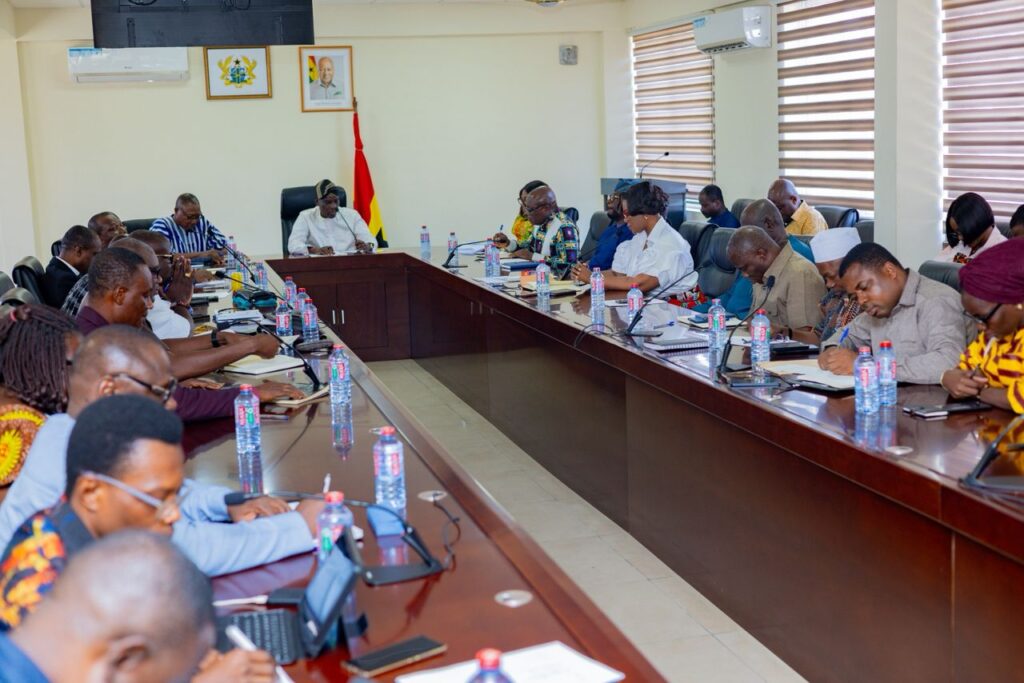
Held at the ministry’s headquarters, the meeting brought together major stakeholders, including the Conference of Heads of Assisted Secondary Schools (CHASS), the National Food Buffer Stock Company, and the GETFund. At the heart of the impasse is the procurement of perishable food items—such as vegetables, meat, and eggs—which have become increasingly scarce due to delays in funding.
In an attempt to break the deadlock, Mr Iddrisu proposed that GETFund continue an arrangement allowing CHASS to independently procure perishable items. However, the parties failed to reach consensus.
The stalemate follows a formal petition by CHASS and the Conference of Principals of Technical Institutions (COPTI), highlighting mounting pressure on school heads to sustain daily feeding. With supplies from the National Food Buffer Stock Company dwindling and inflation eroding already limited budgets, many heads have reportedly resorted to using personal funds or taking credit from local suppliers to keep students fed.
The unresolved situation underscores serious coordination challenges among the implementing agencies and raises the stakes for over 1.2 million Senior High School students nationwide.
CHASS has now escalated its concerns from private appeals to public warnings, cautioning that without immediate funding to procure essential perishables, schools may be forced to send students home. Such a move would mark the most significant disruption to the Free SHS policy since its inception, with potential consequences for the academic calendar and preparations for the West African Senior School Certificate Examination (WASSCE).
With negotiations stalled, the programme’s feeding component remains under threat, placing thousands of students at risk if swift and coordinated interventions are not implemented. Stakeholders are expected to reconvene in the coming days as efforts continue to find a sustainable solution to the crisis.