
Ghana’s sanitation challenges require a fundamental change in public attitudes, with religious leaders, government officials and other stakeholders calling for greater personal responsibility and practical action to protect the environment.
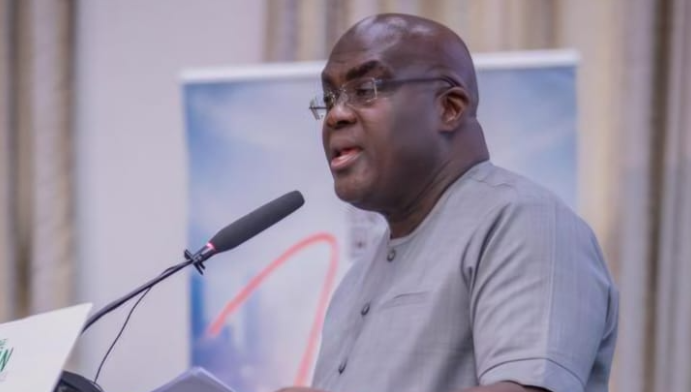
Accordingly, the Chief of Staff, Dr Julius Debrah, has urged Ghanaians to take greater personal responsibility for the state of their surroundings, insisting that sanitation cannot be achieved through government interventions alone.
He called on citizens to “choose discipline over dirt, responsibility over indifference and action over excuses,” stressing the need for a significant shift in attitudes towards sanitation and environmental cleanliness.
According to Dr Debrah, individuals and communities have a critical role to play in maintaining clean environments and must develop the discipline to avoid indiscriminate waste disposal and other practices that contribute to poor sanitation.
He emphasised that government and state institutions cannot bear the entire responsibility for keeping Ghana clean, urging citizens to take practical steps to address environmental challenges in their communities.
The Chief of Staff and other stakeholders made the call at the Clean Conference 2026, organised by Ignite Media Group, parent company of Metro TV, Original TV and Original 91.9 FM, at the Cedi Conference Hall of the University of Ghana, Legon, on Friday, August 21.
The conference brought together policymakers, environmental experts, academics, development practitioners, and private-sector leaders to examine Ghana’s progress towards the United Nations Sustainable Development Goals, with particular attention to sanitation, sustainable cities, and climate resilience.
Environmental protection is a moral responsibility
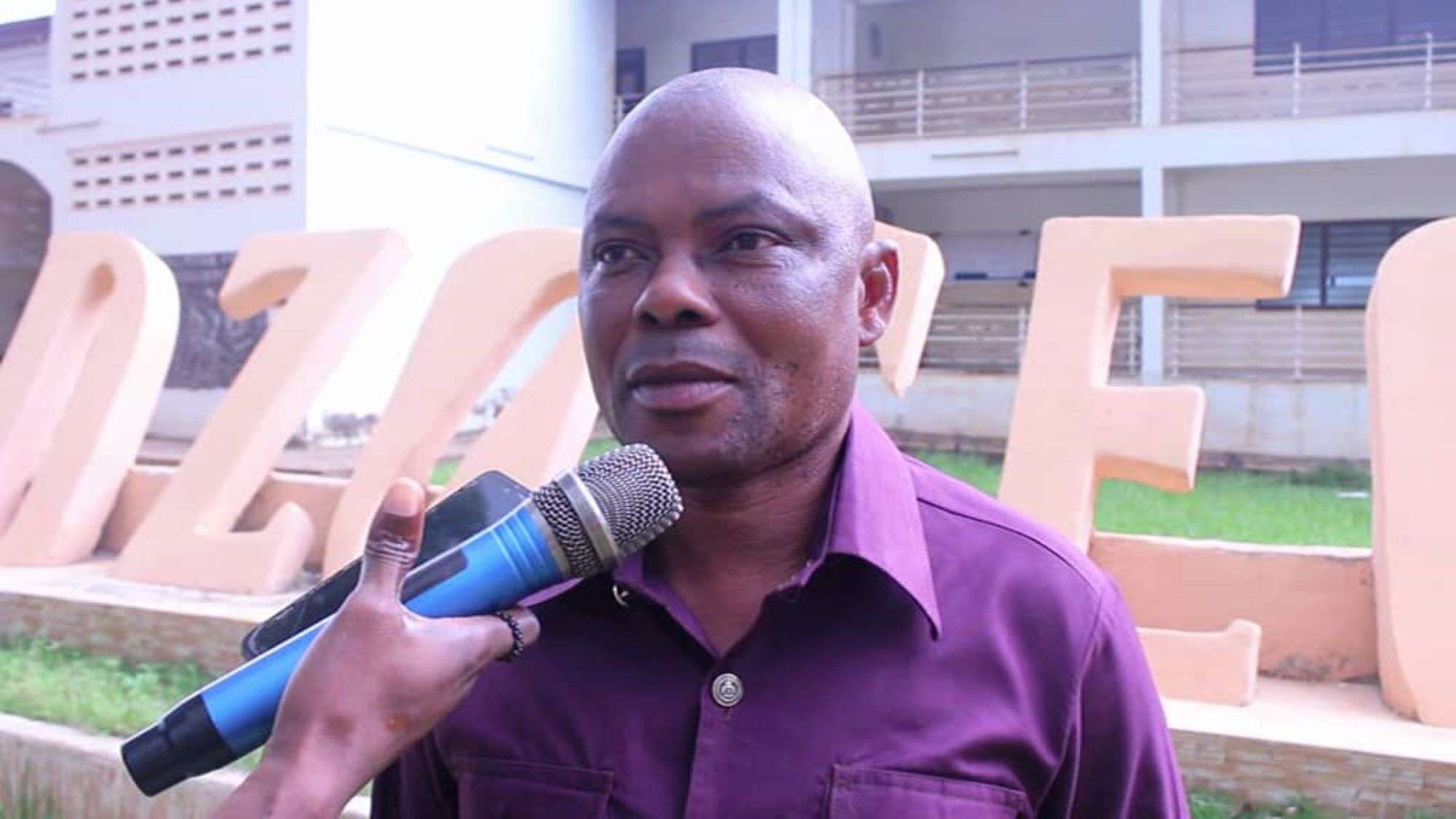
The Chairman of the Christian Council of Ghana, Rev. Enoch Narh Thompson, took the conversation further by urging the Church and Christians to view environmental protection not merely as a civic obligation but as a moral and spiritual responsibility.
He said the Christian faith places a duty on believers to protect and preserve the environment for present and future generations.
Drawing on biblical teachings, Rev. Thompson cited Genesis 2:15, which instructs humanity to work and take care of the earth. He also referenced Psalm 24:1 to reinforce the argument that humans are custodians rather than owners of the environment.
“The earth belongs to God. We as human beings are not the owners of the earth. We are custodians and caretakers, stewards entrusted with its management,” he said.
He warned that environmental destruction would have consequences that extend beyond the current generation, describing pollution, waste and the destruction of the environment as an injustice to future generations.
Rev. Thompson therefore called on churches across the country to move beyond preaching about environmental responsibility and translate their teachings into practical action.
He urged every Christian congregation to become a centre for environmental awareness, tree planting, proper sanitation, and responsible use of resources.
“The church must make environmental stewardship part of its message. The preaching, teaching, and practice of the church must capitalise on these unfinished assignments to be custodians and stewards of the earth,” he said.
He stressed that environmental stewardship should be treated as an act of worship because creation belongs to God.
Sanitation threatens tourism potential
The spokesperson for the National Chief Imam, Sheikh Aremeyaw Shaibu, meanwhile, warned that Ghana’s poor sanitation situation could undermine the country’s efforts to attract and retain tourists.
He said Ghana has numerous attractions capable of drawing visitors from around the world, but the benefits of those attractions could be undermined if tourists encounter polluted environments, indiscriminate waste disposal and other sanitation problems.
“Poor sanitation weakens and undermines our potential for tourism,” Sheikh Aremeyaw said.
He challenged Ghanaians to consider what visitors encounter when they arrive in the country and whether poor environmental conditions could discourage them from returning.
He pointed to practices including open defecation, improper disposal of plastic and domestic waste, contamination of water bodies and dumping refuse into gutters as persistent threats to Ghana’s environment.
According to him, these practices do not only create an unpleasant environment but also contribute to preventable diseases, flooding and pollution, potentially damaging Ghana’s image as a tourism destination.
Sheikh Aremeyaw cited Rwanda as an example of a country where cleanliness has become part of the tourism experience and urged Ghana to develop a similar culture of environmental consciousness.
He argued that the sanitation campaign must begin with a change in mindset, particularly through the upbringing and education of children.
“The mind and the spirit that appreciates beauty does not destroy, and does not accept and embrace filth and squalor. And so therefore, this fight must begin in the mind as we bring up our children and citizenry,” he said.
Call for collective action
The three interventions converged on the need for a collective approach to Ghana’s sanitation crisis.
Dr Debrah placed emphasis on individual discipline and responsibility, while Rev. Thompson called for stronger involvement of religious institutions in environmental stewardship. Sheikh Aremeyaw, on the other hand, highlighted the consequences of poor sanitation for tourism, public health and Ghana’s international image.
Rev. Thompson also appealed to businesses and industries to balance profitability with environmental responsibility by reducing waste, conserving energy and protecting ecosystems.
“Economic growth should never come at the cost of the environment upon which all economic activity ultimately depends,” he said.
He further called on the media to continue educating the public, mobilising citizens and holding institutions accountable for environmental commitments.
Sheikh Aremeyaw similarly stressed that sanitation must not be left solely to government or environmental agencies, urging individuals and religious communities to participate actively in efforts to keep Ghana clean.
He pledged the support of the Muslim community for sanitation initiatives, indicating his willingness to mobilise Muslims to participate in campaigns aimed at improving environmental cleanliness.
The conference ultimately underscored a common message: achieving a cleaner and more sustainable Ghana will require more than policies and government interventions. It will depend on citizens changing everyday behaviours, institutions taking responsibility and communities turning environmental awareness into consistent action.
As Rev. Thompson put it, “The Ghana we desire will emerge when each of us commits to small but consistent actions to protect our surroundings and preserve our future.”