
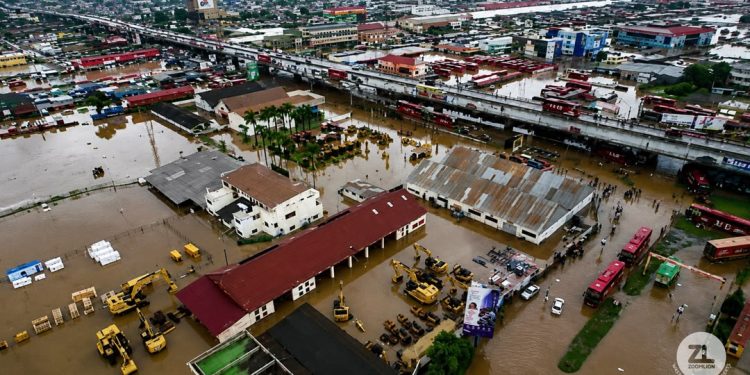
The Centre for Policy Scrutiny (CPS) has expressed its heartfelt condolences to victims of the devastating June 29, 2026, floods that affected parts of Accra, Tema and surrounding communities, while calling on the government to accelerate relief efforts for those impacted.
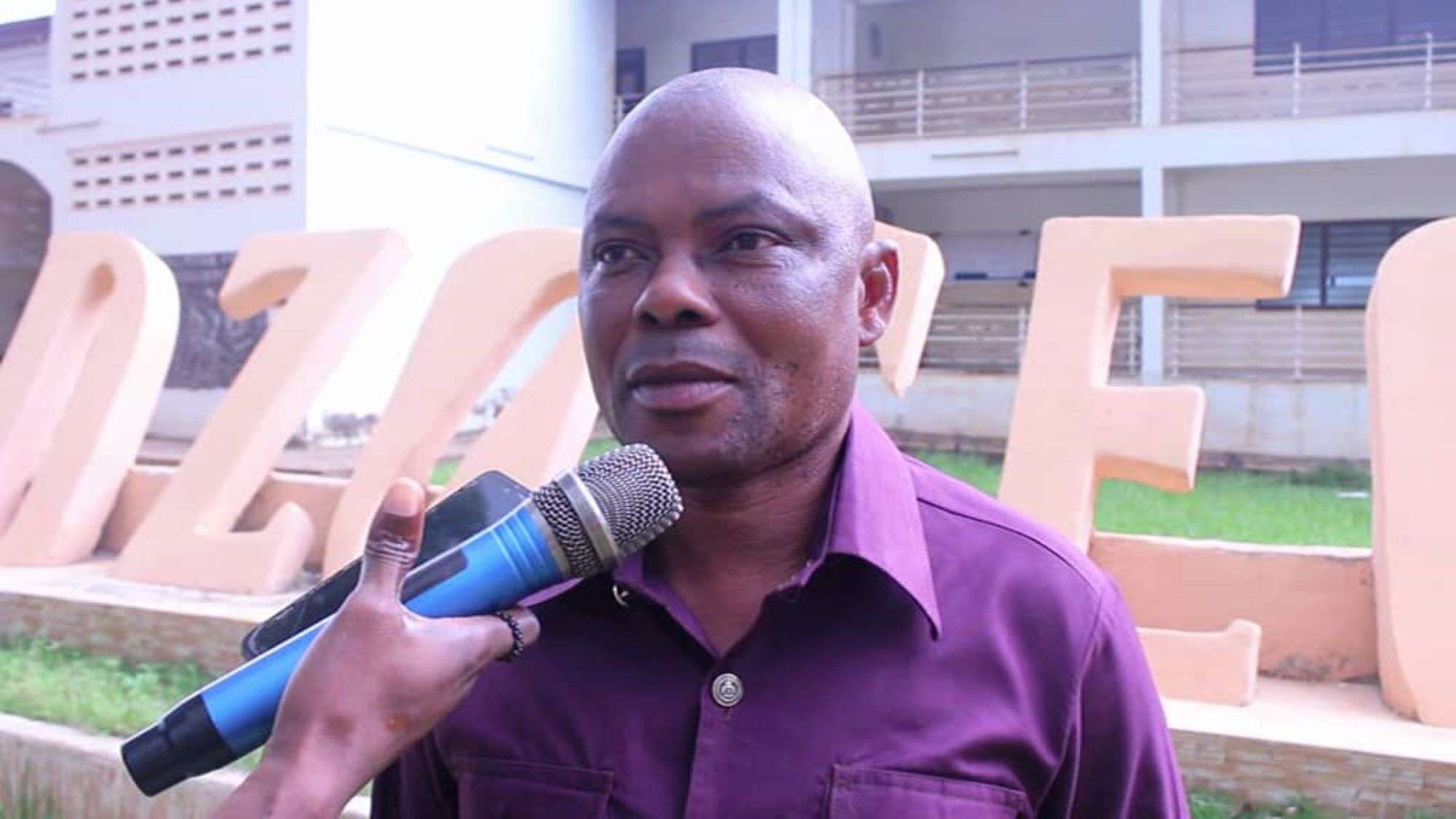
In a statement signed by its Head of Corporate Affairs, Kweku Obeng-Adjei, the policy think tank said it was deeply saddened by the loss of lives, destruction of property and displacement of residents caused by the heavy rains and subsequent flooding.
“Our thoughts are with bereaved families and all victims currently facing hardship as a result of the disaster,” the statement said.
CPS commended the rescue operations carried out by the Ghana National Fire Service, the National Disaster Management Organisation (NADMO), the Ghana Armed Forces and other emergency response agencies for their efforts in assisting affected communities.
Despite the ongoing interventions, the Centre urged the government to expedite relief and recovery assistance, particularly for vulnerable households whose homes and sources of livelihood have been severely affected.
According to CPS, Ghana’s recurring flooding crisis demands urgent and sustained national attention, stressing that emergency responses alone are insufficient to address the challenge.
The organisation called for renewed investment in drainage infrastructure, stricter enforcement of sanitation regulations and improved urban planning to tackle the root causes of flooding across the country.
“The June 29 tragedy should serve as a wake-up call for stronger national action toward flood prevention, environmental management and climate resilience,” the statement noted.
CPS also appealed to corporate institutions, civil society organisations and members of the public to support ongoing humanitarian efforts aimed at providing relief to affected communities.
The Centre maintained that collective action from government, the private sector and citizens is essential to reduce the impact of future flooding disasters and build more resilient communities.