
A new review by the Centre for Policy Scrutiny (CPS) has concluded that Ghana’s Free Senior High School (Free SHS) programme has reached a critical point where expanding access alone is no longer enough to guarantee its long-term success.
It said the next phase must combine access with quality, equity, accountability, and sustainable financing if the programme is to deliver lasting educational gains.
The Centre said nine years of evidence showed that the policy’s early achievements have been substantially weakened by structural problems in its design and implementation, requiring fundamental reforms to financing, resource allocation, academic standards and accountability.
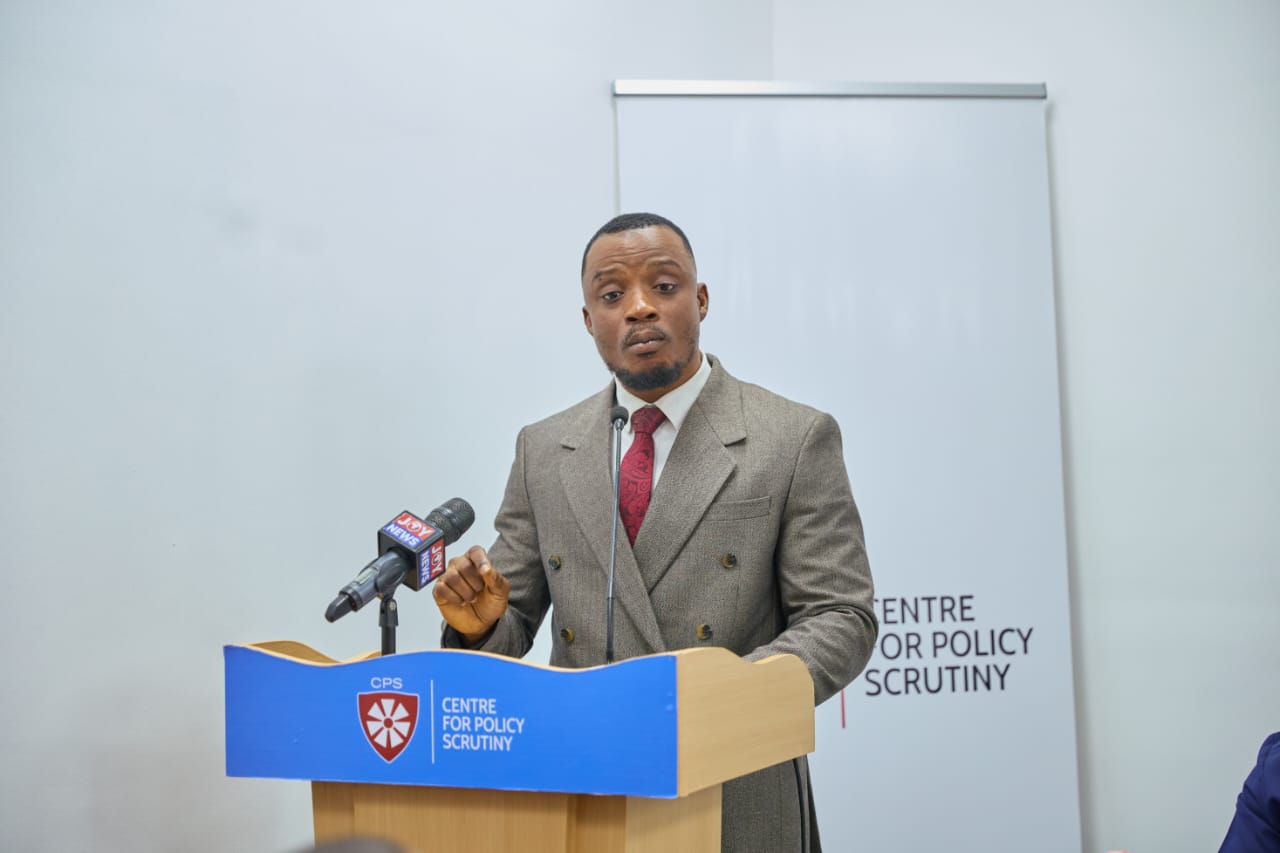
The findings were presented at a CPS public lecture on Tuesday, September 1, 2026, on the theme “Improved Access, Quality Questioned: A Report on 9 Years of Ghana’s Free SHS.”
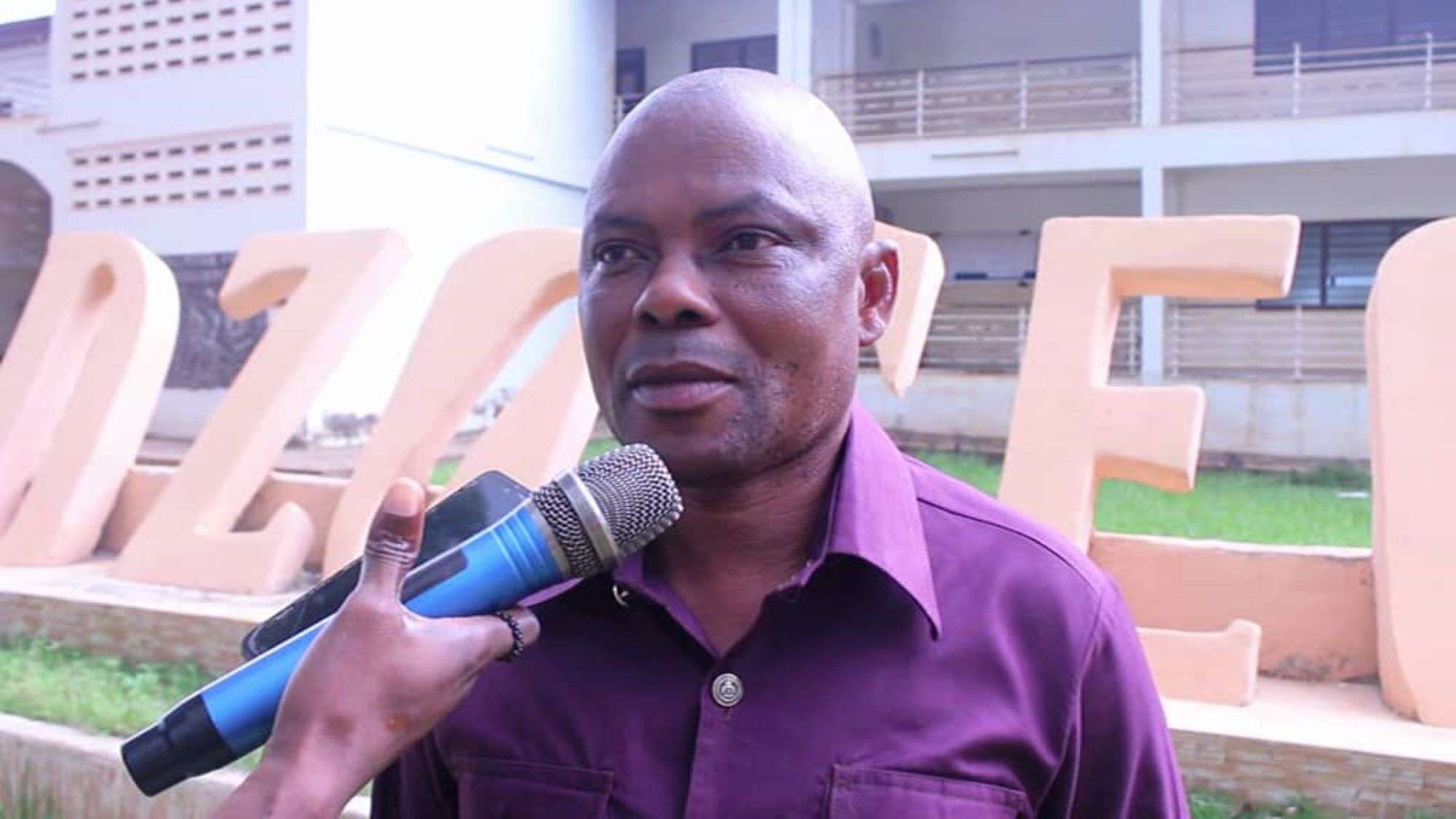
The lecture featured CPS Executive Director Dr. Adu Owusu Sarkodie and Dr. Dr. Jacob Oppong Nkansah, Lecturer at the Faculty of Liberal and Social Studies Education of the University of Education, Winneba.
Presenting the review paper, Dr. Oppong Nkansah said Free SHS remains one of the most consequential social interventions of Ghana’s Fourth Republic.
The policy increased enrolment by more than 27 per cent in its first year, narrowed the gender gap in secondary education and provided significant financial relief to households.
However, those gains now face serious threats from the way the programme has evolved.
“However, nine years of evidence now converge on a single, urgent conclusion: the policy’s early success has been substantially undermined by its own unreformed design,” the review stated.
Growing disparity among schools
A major concern identified by the CPS is the growing disparity between schools, particularly under the A–D categorisation system.
The review found that Category A and B schools, which were already relatively well resourced, have been able to build on their existing advantages, while Category C and D schools have had to absorb rising enrolment with fewer resources.
These schools face overcrowded classrooms and dining halls, shortages of food and furniture, deteriorating dormitories, and delays in the supply of textbooks and other learning materials.
The report argues that “resource distribution consistently favours already-advantaged schools,” resulting in a system where access has expanded faster than equitable resource distribution.
The CPS also raised concerns about the impact of automatic placement, the removal of grade repetition and weak enforcement of student accountability mechanisms.
According to the review, these measures have, in some instances, weakened student motivation, discipline and the perceived seriousness of secondary education.
It consequently recommended academic readiness criteria or cut-off points, alongside bridging and remedial programmes, to ensure that universal access does not come at the expense of educational quality.
The financing architecture of Free SHS also came under scrutiny.
The review found that the programme remains heavily dependent on annual allocations, rather than structurally secured financing mechanisms such as indexed funding or an endowment.
It warned that this exposes the programme to short-term fiscal and political pressures and recommended a stable, ring-fenced financing mechanism, including indexed GETFund allocations and multi-year parliamentary commitments.
Entrenching Free SHS
The CPS further wants Free SHS entrenched in bipartisan legislation, with stronger oversight arrangements to prevent its scope, funding and rules from being repeatedly redefined with changes in government.
It recommended an independent, cross-party statutory board and legislation requiring a parliamentary supermajority for major amendments to the policy.
The review also calls for resources to be deliberately redirected towards Category C and D schools and for transparent systems to track how resources are allocated and delivered.
It also called for stronger investment in teachers and non-teaching staff, noting that heavy workloads, inadequate pay and insufficient recognition are threatening staff morale and, ultimately, service quality.
The CPS has argued that Ghana must therefore move Free SHS beyond its original emphasis on enrolment expansion.
“The reformed Free SHS must move beyond enrolment expansion to equity-sensitive and quality-driven reforms,” the report states, arguing that addressing resource inequities, strengthening accountability and investing in staff welfare can transform the programme into a sustainable model of inclusive excellence.
The review said the choice facing policymakers is now between consolidating the gains of Free SHS through deliberate reform or allowing existing disparities to widen.
It stressed that the evidence does not support abandoning the policy. Rather, it calls for a fundamental redesign of its financing, resource allocation and implementation arrangements.
“These findings are not evidence that Free SHS should be abandoned; they are evidence that it cannot survive, in its current form, unreformed,” the report states.
This, Dr. Sarkodie urged policymakers to act before the gap between the promise of Free SHS and the experience of students across different school categories widens further.