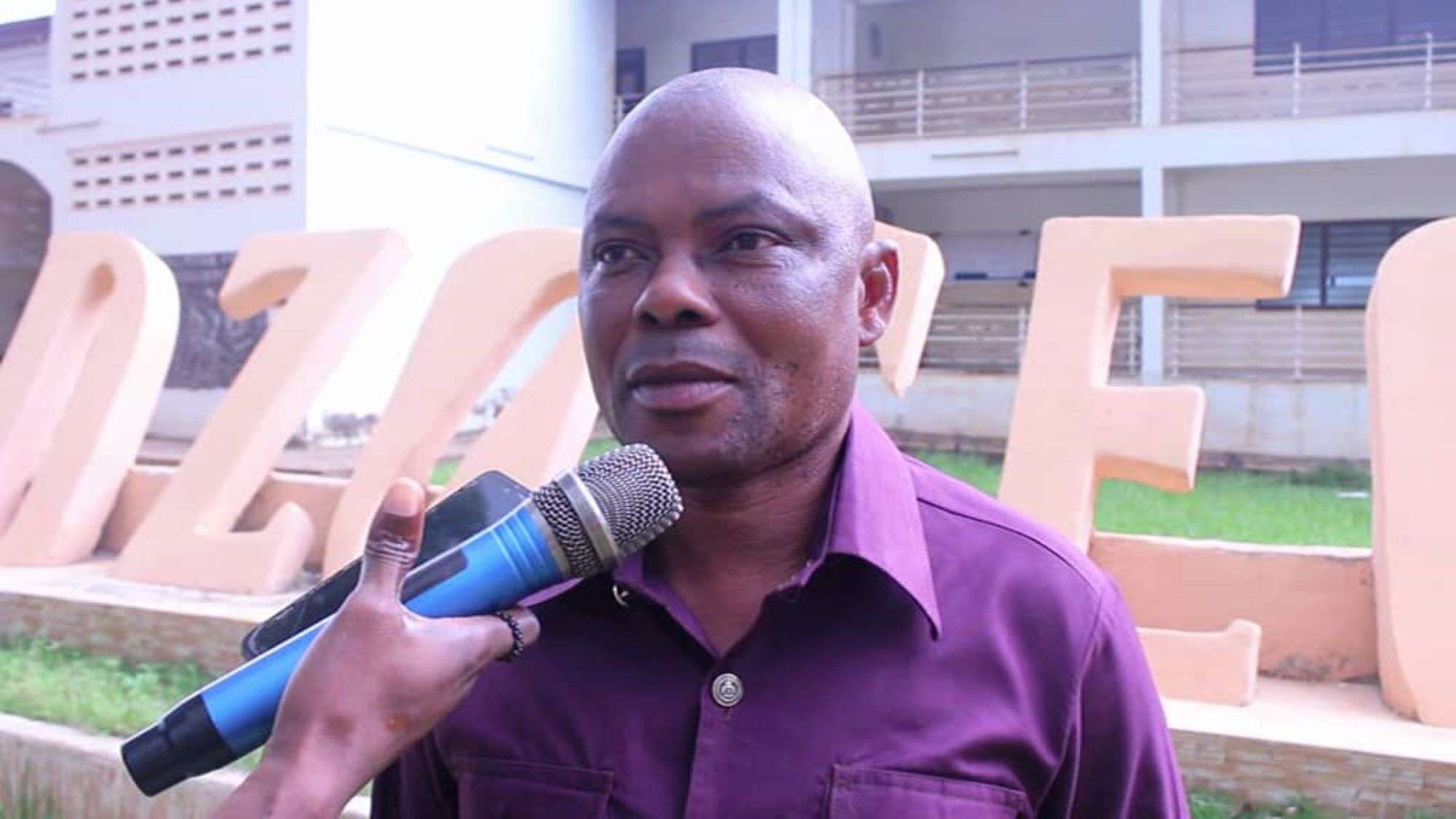

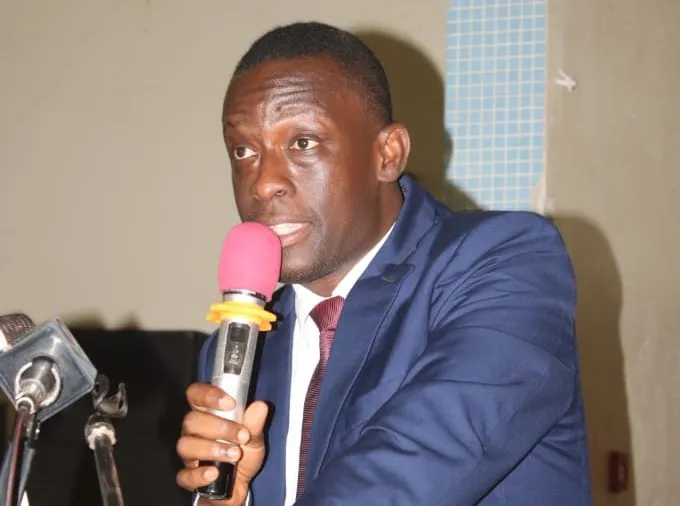
The Member of Parliament (MP) for Takoradi and former Western Regional Minister, Mr Kwabena Okyere Darko-Mensah, has outlined a detailed proposal for what he described as a more practical “reset” of Ghana’s mining sector, calling for deeper decentralisation, stronger local participation, and reforms to improve environmental management and revenue distribution.
He proposed a revenue-sharing formula based on gross output from mining activities with 18% to mining communities for development and investment, 2% to district administration, 5% for reclamation, replanting, and environmental restoration, 5% for royalty payments and 70% to the national coffers for broader development.
Mr Darko-Mensah referenced figures from the Ghana Chamber of Mines, noting that large-scale mining companies already contribute about 26% of gross revenues to the state through taxes, royalties, Pay As Your Earn (PAYE), and CSR initiatives.
He argued that small-scale miners, if properly structured, could meet or exceed similar contribution levels while operating at lower cost.
Contributing to the ongoing debate about mining governance and environmental degradation, the lawmaker questioned the direction of government’s proposed reforms in the mining sector, asking, “What reset are you proposing?”
He then laid out a structured alternative aimed at reshaping how mining is licenced, regulated, and integrated into local development.
Decentralised licensing and revenue sharing
At the centre of Mr Darko-Mensah’s proposal is a call to fully decentralise mining licencing regime.
He argued that all licencing processes should be handled at the district level, using legally established district mining committees and involving traditional authorities.
According to him, “all mining licensing should start and end in the district,” with chiefs and local structures playing a formal role in oversight.
Mobile licensing and formalisation of miners
Mr Darko-Mensah also proposed a “mobile licensing regime” designed to bring all miners into a regulated system.
He suggested starting with rock miners, whom he described as generally less environmentally destructive, as part of a phased approach to formalisation.
The Takoradi MP emphasised that improved licensing coverage would help reduce illegal mining activities and improve oversight.
Technical supervision and job creation
To improve safety and environmental compliance, Mr Darko-Mensah proposed assigning one engineer to supervise each mining license.
This, he said, would create jobs while ensuring consistent standards across the country in areas such as water protection, land reclamation, and the safe use of chemicals.
He argued that this system would help Ghana achieve more uniform mining standards and strengthen the country’s “gold brand” internationally.
Processing centres and environmental protection
On environmental management, Mr Darko-Mensah called for the development of tailings dam systems for alluvial miners, supervised by assigned engineers.
He also proposed the establishment of mineral processing centres to reduce pollution of water bodies.
To support affordability, the MP suggested a transportation cost system similar to Ghana’s fuel and cocoa logistics models, ensuring miners can access processing services without excessive cost burdens.
This, he said, would help commercialise mining further and attract credible investment while reducing environmental harm.
Reforming GoldBod and stakeholder ownership
Mr Darko-Mensah also proposed restructuring the ownership model of the GoldBod. Instead of full government ownership, he suggested a shared structure; 40% government, 25% miners, 20% traders and 15% chiefs.
He argued that this inclusive model would improve policymaking, strengthen environmental accountability, and align interests across stakeholders, similar to cooperative structures seen in commodity sectors such as cocoa in Côte d’Ivoire.
Reclamation, mining finance, and community development
The former Western Regional Minister further recommended that local licencing committees take responsibility for reclamation and replanting programmes, supported by bonds and partnerships with mining associations.
Citing research from the World Economic Forum, he noted that every dollar invested in land reclamation could yield between $7 and $30 in economic returns.
Mr Darko-Mensah also proposed the establishment of a mining bank to support legitimate miners and reduce dependence on illicit or environmentally irresponsible funding sources.
In addition, he suggested reclaiming abandoned mine sites from large companies and converting them into community mining areas or tributer systems to create employment opportunities for youth and reduce illegal mining activities.
Regional development and infrastructure renewal
Mr Darko-Mensah called for targeted redevelopment of mining towns, with oversight from the Regional Coordinating Council and funding from central government.
He argued that mining regions should visibly benefit from resource extraction through infrastructure upgrades and urban renewal.
The MP proposed that licencing for development minerals should be fully managed at the regional ministry level to further deepen decentralisation.
His proposals present a highly decentralised model of mining governance that blends local authority participation, structured revenue sharing, environmental enforcement, and financial reform.
While ambitious, the ideas aim to address long-standing debates around illegal mining, environmental degradation, and uneven distribution of mining benefits in Ghana.