
The New Patriotic Party (NPP) Minority in Parliament has rejected suggestions that the recent fire incident at the Akosombo Power Control Centre triggered Ghana’s ongoing power outages also known as Dumsor.
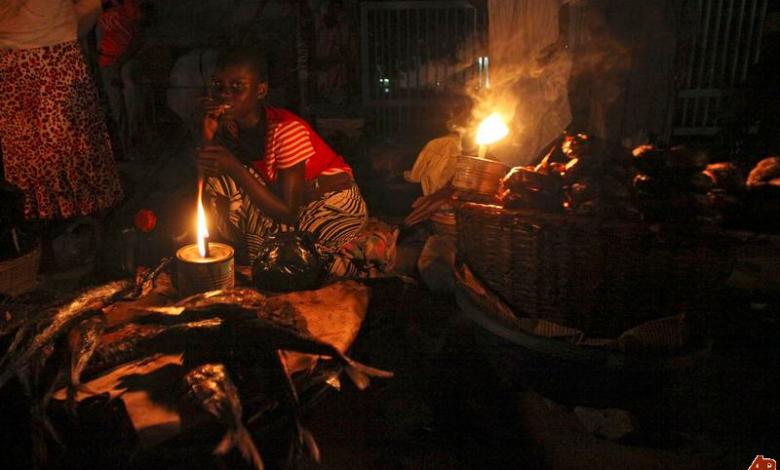
According to the Minority led by Osahen Alexander Afenyo-Markin, Ghanaians across the country were already grappling with frequent, unannounced power outages for months before the Akosombo disruption.
The group insisted that the actual cause was that the government owed over $700 million to Independent Power Producers (IPPs) and fuel suppliers.
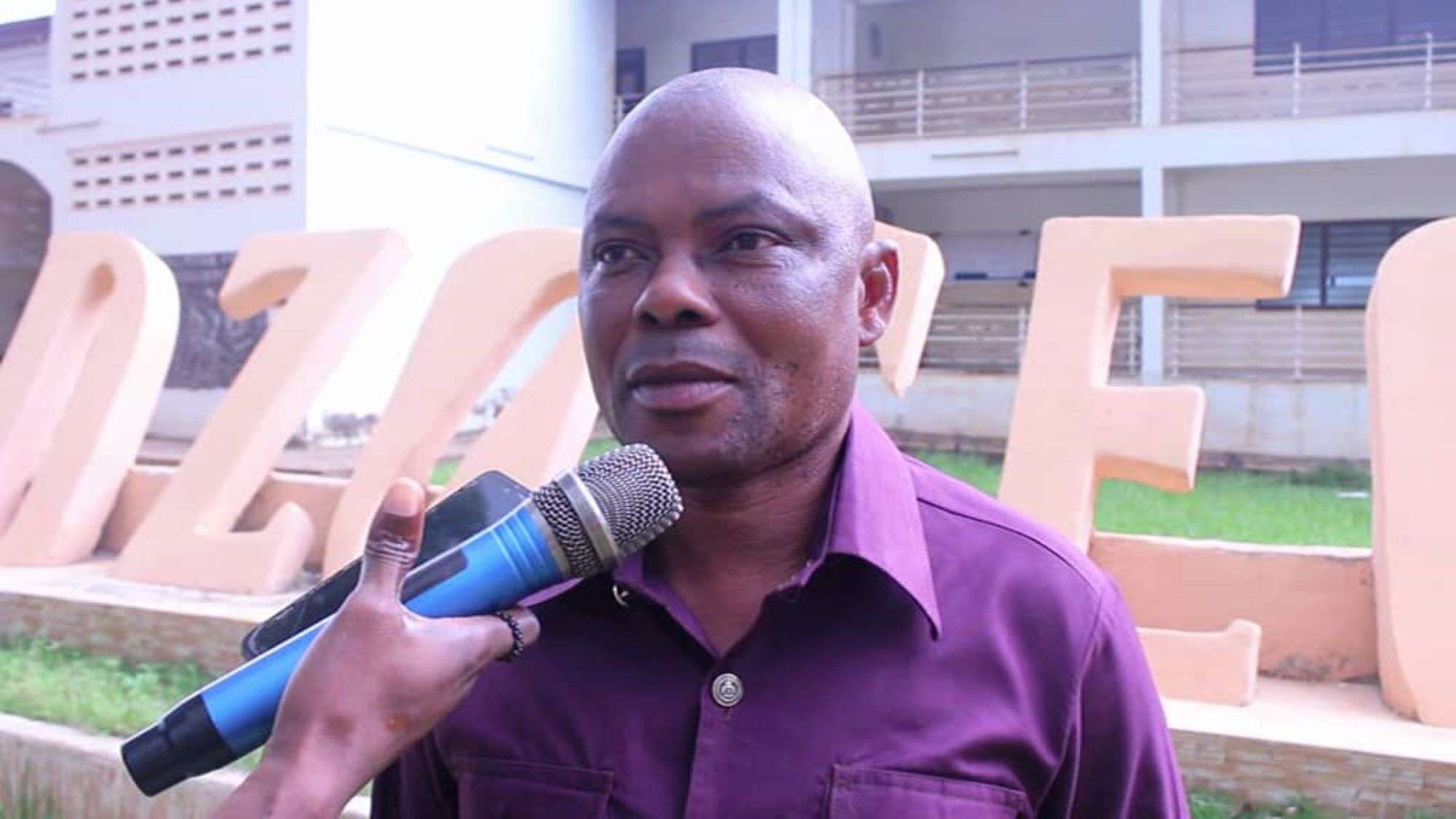
Addressing a news conference in Parliament on Tuesday, April 28, the Deputy Ranking Member on Parliament’s Energy Committee, Mr Collins Adomako Mensah, emphasised that the challenges facing the sector extend beyond technical constraints and are deeply rooted in financial difficulties.
“We also know that the problems of the sector are not only technical; they are financial.
“I must state plainly and without qualification: Ghana’s power crisis… was not caused by any incident at Akosombo. It was caused by this government,” Mr Adomako-Mensah who is also the MP for Afigya Kwabre North Constituency reiterated.
He pointed out that even though the Minister for Finance, Dr Cassiel Ato Forson, had previously assured that debts owed to IPPs had been cleared, data available to the Minority suggested otherwise.
“The data available to us is that the government owes IPPs over $500 million and over $200 million to companies that supplied fuel for power generation,” he disclosed.
These figures, the minority argued, contradict earlier government claims of improved financial performance within the Electricity Company of Ghana (ECG) and the wider energy sector.
Suspension of GRIDCo CEO
The Minority’s media briefing followed actions taken by the Minister for Energy and Green Transition, Dr. John Jinapor, who directed the Chief Executive Officer of the Ghana Grid Company Limited (GRIDCo), Ing. Mark Awuah Baah, to step aside in the wake of the Akosombo incident. Leadership changes were also made within the Electricity Company of Ghana in the Ashanti Region.
However, the Minority maintained that these measures do not address the root of the problem.
“These actions may generate headlines. They will not generate electricity,” the Minority noted.
The caucus described the outages as widespread and severe, affecting households, businesses, and critical services.
While supporting a thorough investigation into the Akosombo incident, the Minority stressed that due process must be followed and that accountability should extend to policymakers responsible for decisions affecting the sector.
Seeking clarity on ‘dumsor-levy’
Due to the ongoing power crisis, the Minority has called on the government to provide clarity on the true financial position of power sector, particularly following the introduction of the Energy Sector Levy, widely referred to as the ‘Dumsor levy’.
“We are calling on the Minister for Energy and the Minister for Finance to, within the shortest possible time, lay before Parliament and publish a full, detailed and independently verified report on the one Ghana cedi Dumsor levy, covering all collections made to date, all disbursements, and the outcomes of every expenditure,” the Minority demanded.
Government has introduced GH¢1 levy on a litre of petrol, raising billions of Ghana cedis to support the energy sector and yet the Minority is alleging huge debts in the power sector.
Mahama’s explanation dismissed
The Minority also took issue with earlier remarks by President John Dramani Mahama, who had characterised the outages as part of efforts to stabilise the energy system.
The Minority dismissed this explanation, insisting that the scale and duration of the outages reflect a deeper systemic failure.
A key concern raised by the Minority is the abandonment of the Energy Sector Recovery Programme (ESRP), a policy framework introduced under former President Nana Akufo-Addo and Vice President Mahamudu Bawumia.
According to the Minority, the ESRP, developed in collaboration with the International Monetary Fund (IMF), was designed to stabilise the financial and operational health of Ghana’s energy sector.
The group said the failure to implement the programme has worsened existing vulnerabilities, including mounting debt obligations and inefficiencies within the system.